
The Void of Deviance
Play The Void of Deviance
The Void of Deviance Screenshots
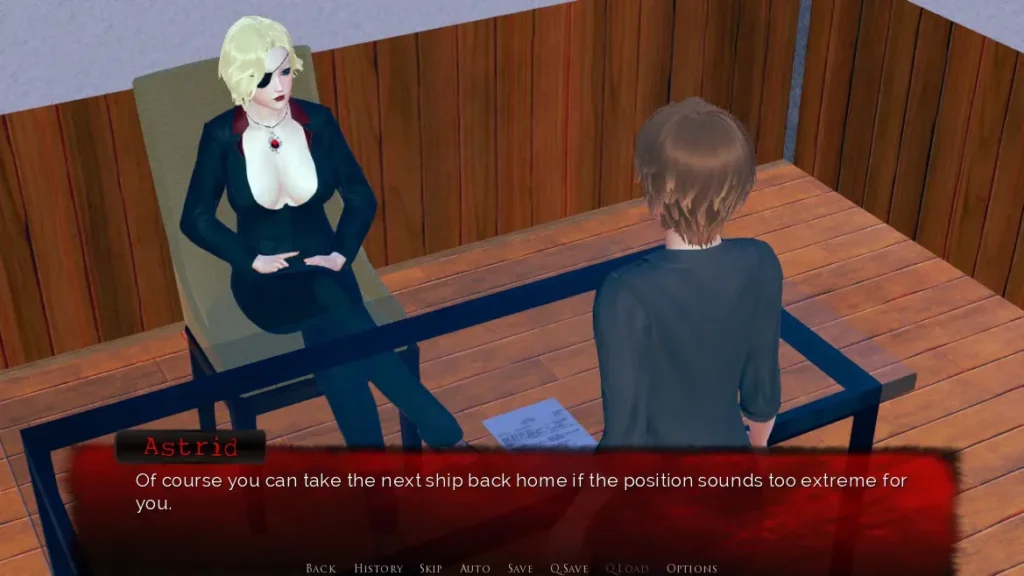

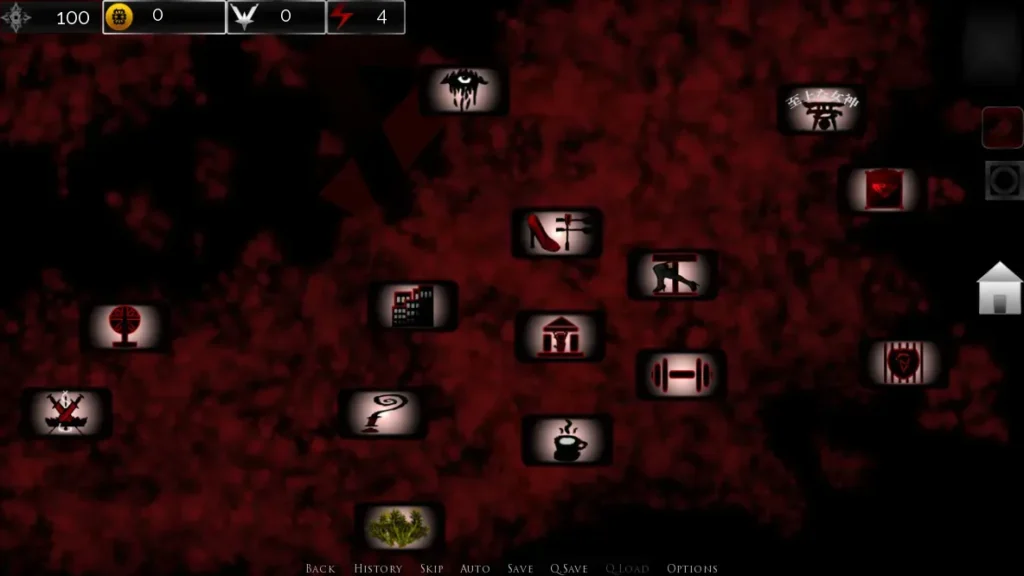

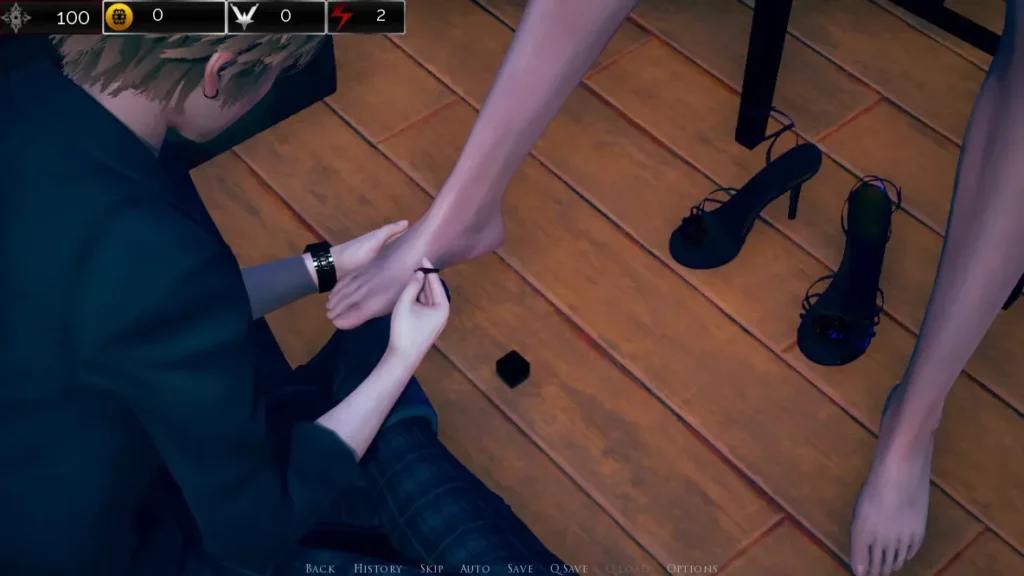
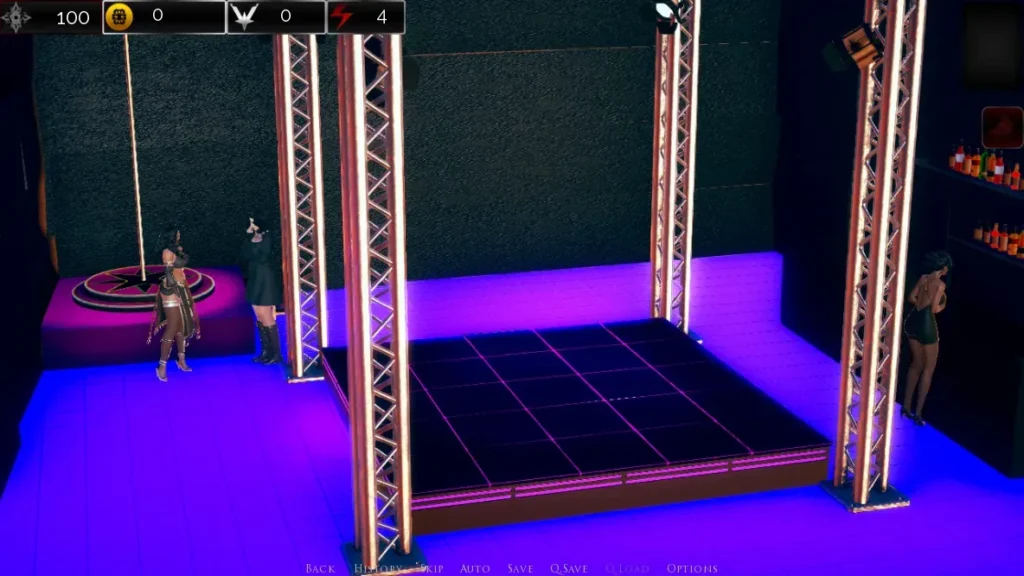

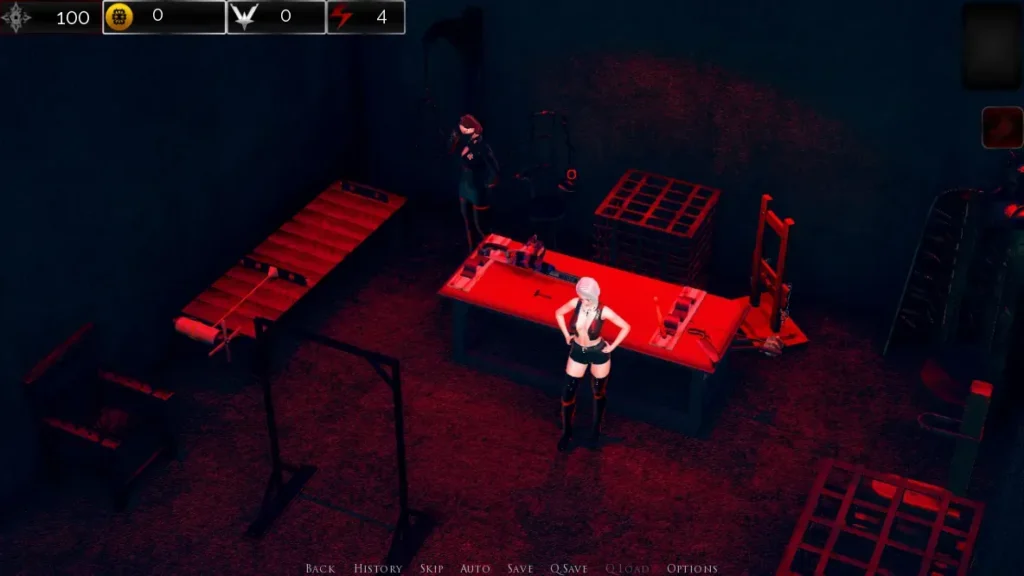

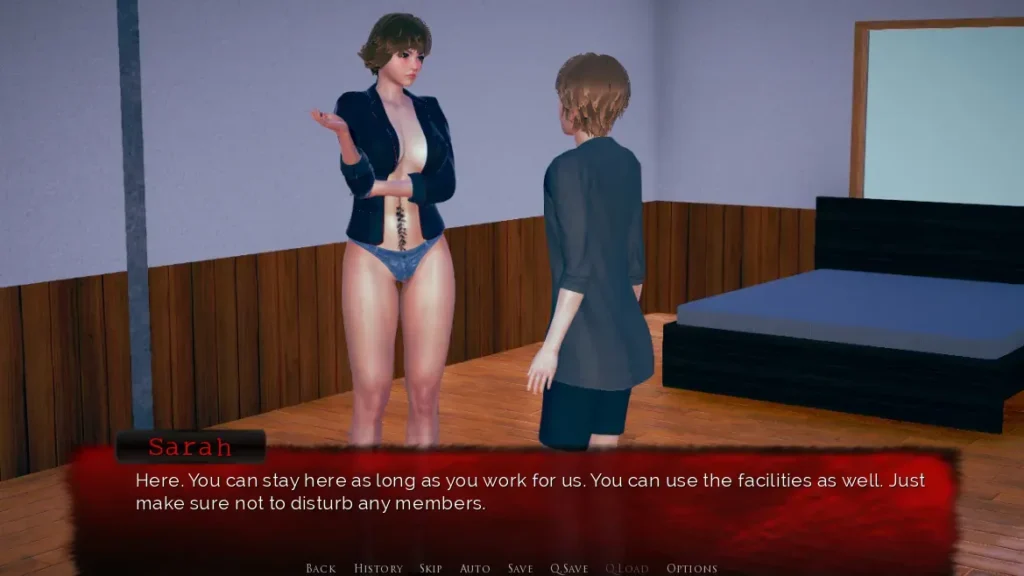




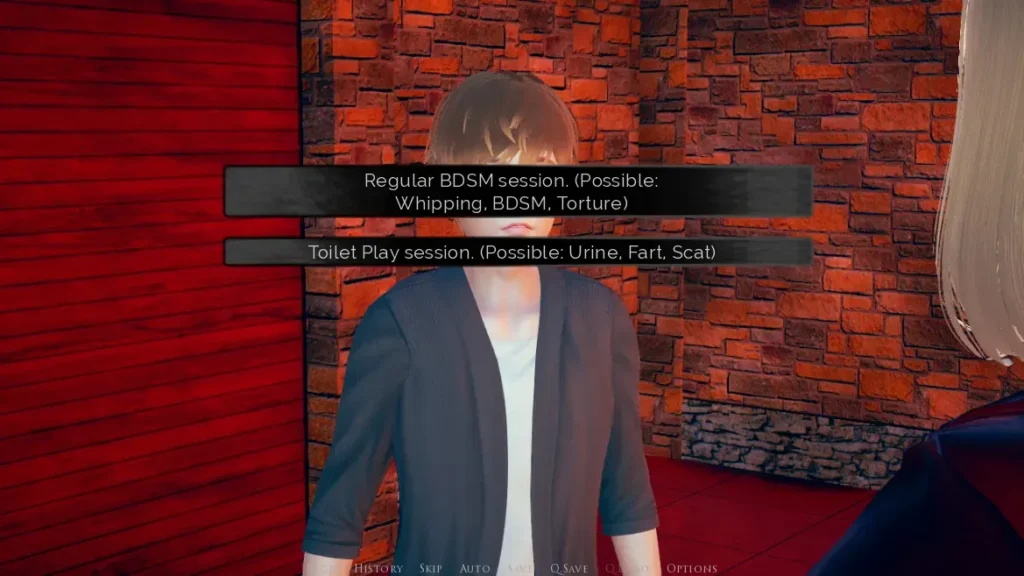
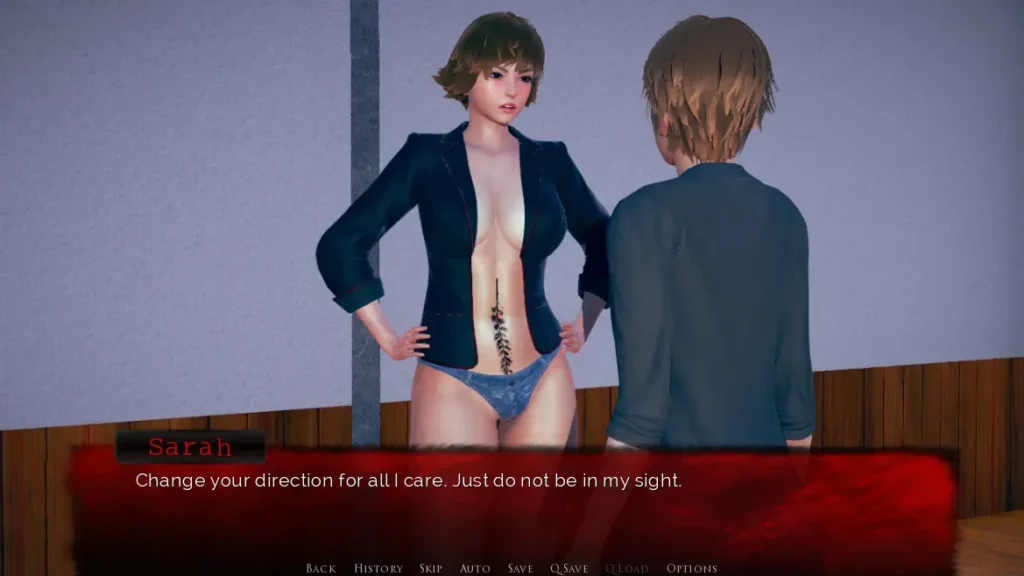
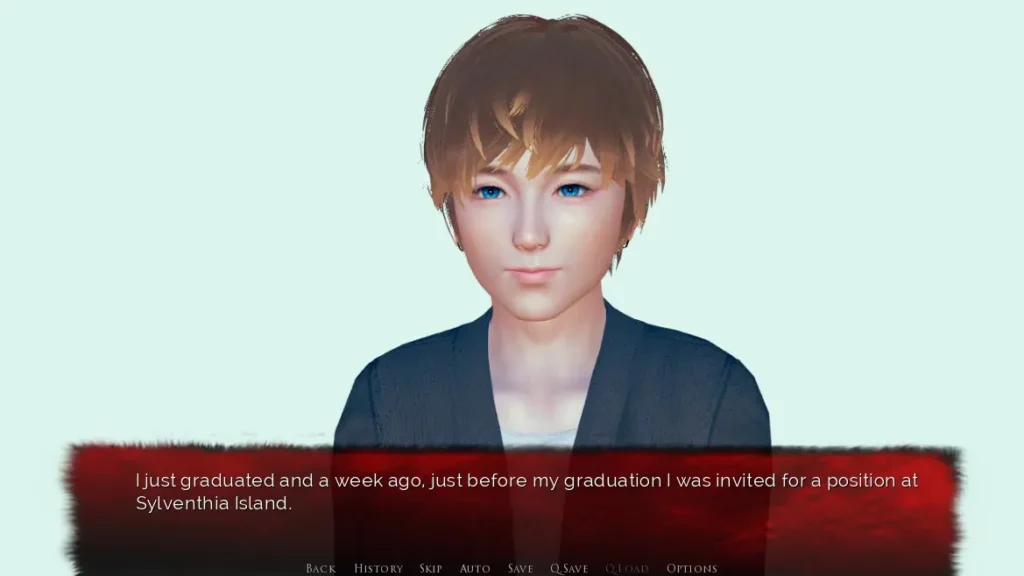

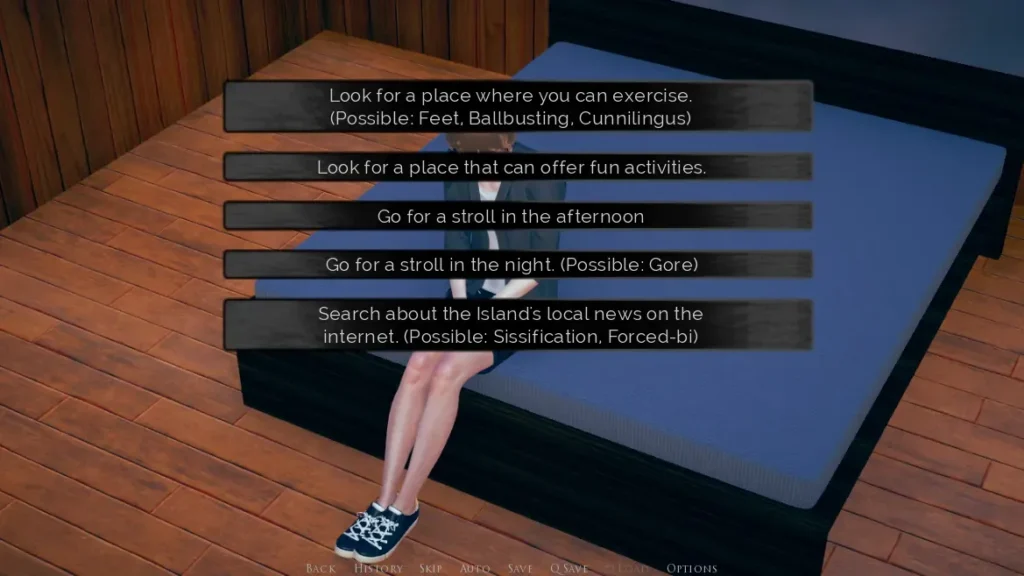
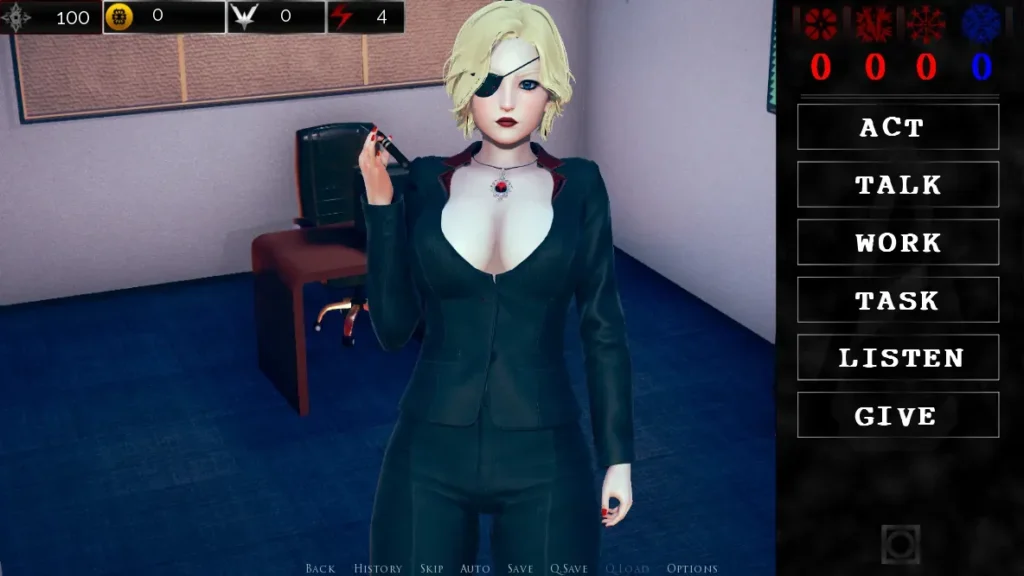

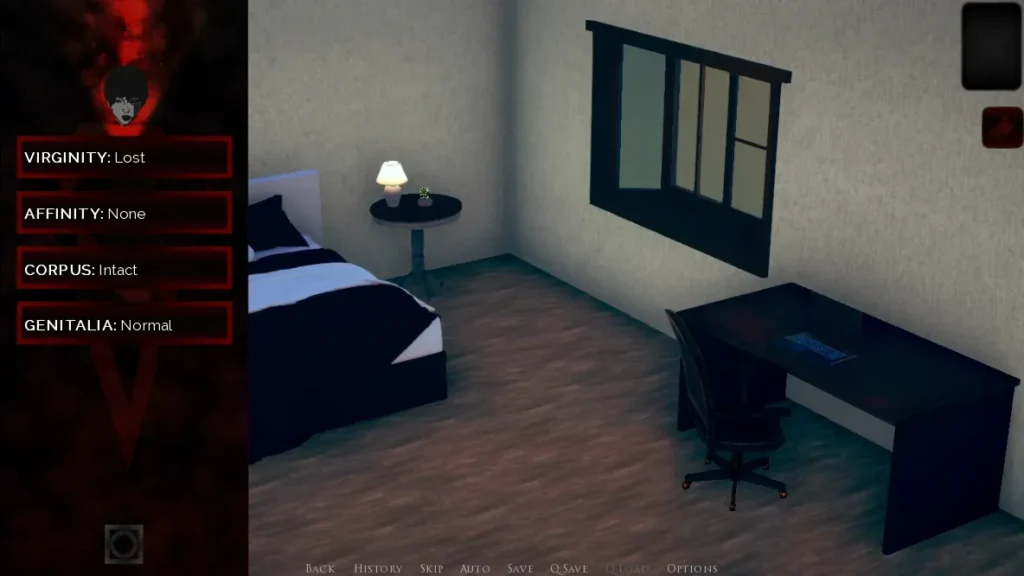

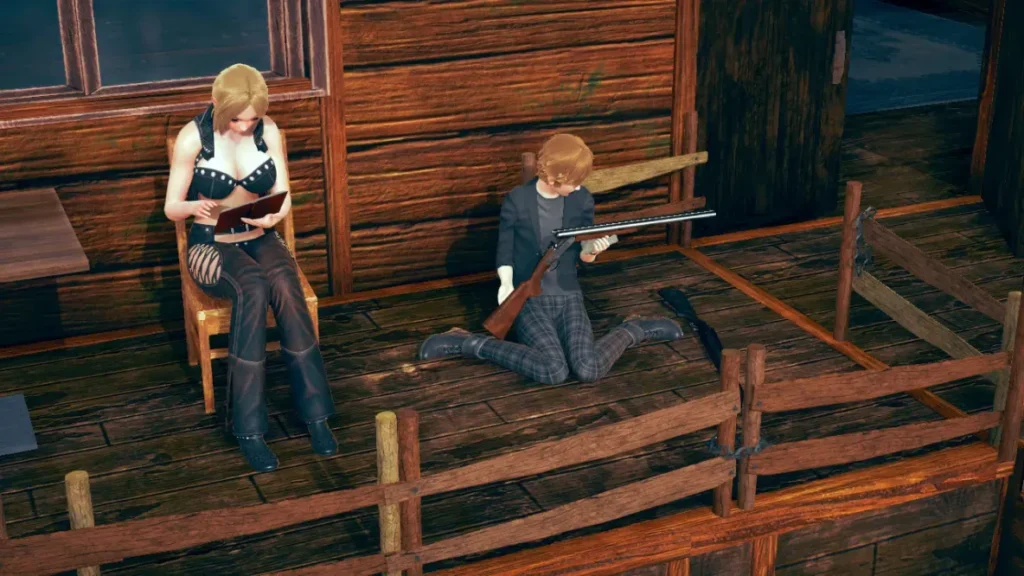
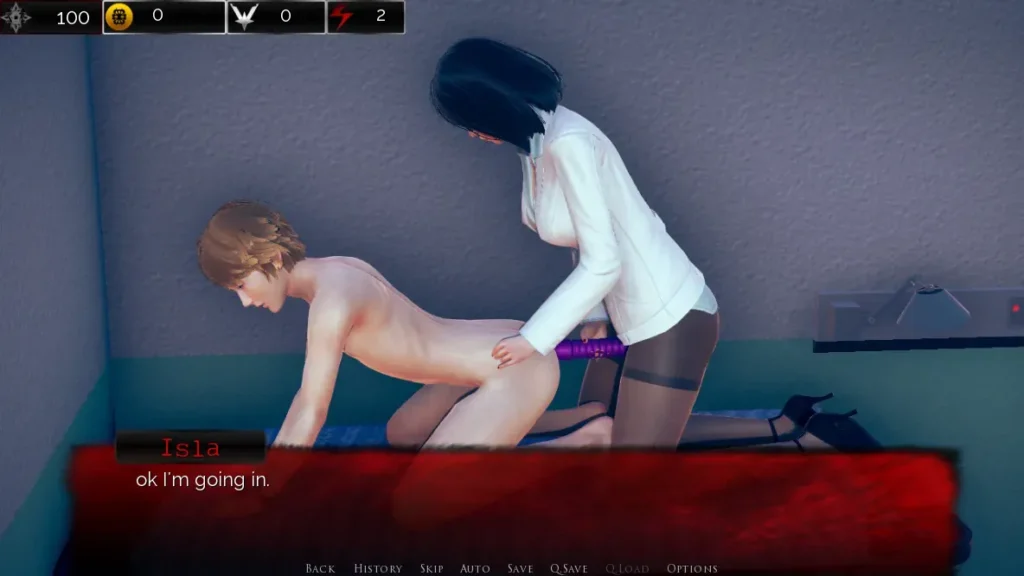

The Void of Deviance review
Master the mysteries of Sylventhia Island with our in-depth walkthrough and gameplay strategies
The Void of Deviance stands out as a unique adult visual novel that combines mystery, narrative depth, and interactive gameplay on the enigmatic Sylventhia Island. Developed by Sylventhia, this Ren’Py-based experience invites players to take on a job opportunity at BanKval while uncovering the island’s hidden secrets and peculiarities. With its focus on character interaction, resource management through Deviance Points, and branching narrative paths, the game offers substantial replay value and multiple endings. Whether you’re drawn to the intricate story elements, the diverse character roster, or the strategic gameplay mechanics, understanding the core systems will enhance your experience and help you unlock the game’s deepest secrets.
Understanding The Void of Deviance: Core Gameplay Mechanics
Okay, let’s be real for a second. You’ve probably clicked on a visual novel or two, expecting a passive story where you just mindlessly tap through text. 🥱 I know I have. You get comfy, maybe grab a snack, and prepare for a few hours of light reading with pretty pictures. But then you boot up The Void of Deviance and suddenly, you’re not just reading—you’re playing. Your heart’s pounding during a tense confrontation, your cursor is frantically searching for interactive clues in a scene, and you’re actually sweating over a moral choice that feels like it has real weight. That was my exact “oh, this is different” moment.
This isn’t your average visual novel. It’s a hybrid beast that demands your active participation. Mastering The Void of Deviance gameplay mechanics isn’t just about picking the nicest dialogue option; it’s about understanding a web of interconnected systems that dictate your power, your relationships, and the very fate of Sylventhia Island. If you go in blind, you will hit a wall, probably miss the best gear, and likely get an ending that leaves you feeling hollow. I learned that the hard way on my first run. So, let’s break down these core systems together, so you can build the character you want and uncover the island’s deepest secrets. 🔍
What Makes This Visual Novel Unique?
At its heart, The Void of Deviance uses visual novel mechanics as its foundation—you’ll read a lot of narrative text and see stunning, often haunting, character artwork. But the developers have ingeniously grafted onto this foundation a layer of deep, reactive RPG systems. Think of it less like reading a book and more like being the lead actor and director in a dark, interactive play where the script changes based on your performance.
The biggest departure from the norm is the shift from passive choice to active consequence. In many VNs, choices are clear-cut: be kind, be rude, romance A or B. Here, choices are often shades of grey, and their impact isn’t always immediate. That “small lie” you tell to comfort someone in Chapter 2 might resurface in Chapter 6 to undermine their trust in you during a crucial moment. The game has a long memory.
Another key feature is the skipable content function, which is a brilliant piece of inclusive design. The world of Sylventhia is intense and deals with mature, often dark themes. This feature allows you to toggle off depictions of specific extreme content without breaking the narrative flow. The story will acknowledge the event occurred, but the visual and detailed textual depiction will fade to black. It puts control firmly in your hands, letting you engage with the compelling mystery and characters without being forced into scenes you’d rather avoid. It’s a respectful system that more games of this nature should adopt.
Ultimately, what makes it unique is integration. The affinity system relationships, the Deviance Points system, and the interactive sequences aren’t separate mini-games; they are the primary verbs of your interaction. Every click, every pause, every dialogue selection is part of building your unique version of the protagonist and the story.
Deviance Points System: Your Path to Progression
Forget traditional experience points. In The Void of Deviance, power—both narrative and mechanical—is measured in Deviance Points (DP). This is your core progression currency, and understanding it is the single most important Void of Deviance progression tip I can give you. DP measures your character’s gradual acceptance of, and bonding with, the corrupting alien energies seeping through Sylventhia Island. It’s not a simple “evil” meter; think of it as a “pragmatism-at-a-cost” gauge. Embracing these powers makes you stronger and unlocks new paths, but it irrevocably changes you and how others see you.
You earn DP by making choices that align with this corrupting influence. This is the Deviance Points system in action:
- Morally Questionable Choices: This is the most common source. Will you steal a rare artifact from a struggling village to better understand the Void, or leave it be? Will you use a character’s secret fear to manipulate them into helping you? The game rarely has a blatantly “good vs. evil” option; it’s often “safe and slow” vs. “risky and powerful.”
- Interaction with Corrupting Powers: Whenever you directly interface with Void-touched objects, places, or entities, you’ll often get a prompt to “Draw from the Void” or “Reject its Whisper.” Succumbing to the whisper almost always grants a hefty chunk of DP.
- Mini-Game Success: Excelling in the interactive sequences (which we’ll dive into next) while using Void-aligned methods will reward you with DP. For instance, winning a psychic duel by aggressively overwhelming your opponent, rather than calmly defending, might net you points.
Here’s a step-by-step guide I developed after several playthroughs to manage this system effectively:
Pro-Tip: Don’t try to be a pure saint or a complete monster on your first run. The most interesting narratives live in the middle ranges of the DP spectrum.
- Step 1: Decide Your Arc Early. Before you even start, ask yourself: Is my character a reluctant user of this power, diving into deviance only when desperate? Or are they eagerly seeking it out? Your early choices will set the tone.
- Step 2: Spend DP to Make DP. DP isn’t just a score; it’s a resource you spend at “Altars of Whisper” to unlock permanent passive abilities and active skills from three trees: Subterfuge, Dominion, and Consumption. Unlocking even a basic skill from these trees often opens new, DP-rewarding dialogue and interaction options you wouldn’t have otherwise.
- Step 3: Monitor Relationship Impact. High DP will make some characters (like the zealous Inquisitor) fear and distrust you, locking you out of their quests. Conversely, it might intrigue and attract other, more enigmatic figures. There is no “right” amount; it’s about who you want to align with.
- Step 4: Save Before Major Vortexes. The game features “Vortex” events—major story beats with significant DP rewards/costs. Save before these. Sometimes, the high-DP choice leads to a short-term gain but a long-term narrative loss (like a valuable ally leaving). You need to see if that trade-off is worth it for your build.
Managing the Deviance Points system is a constant balancing act between power and humanity. It’s the engine that drives the game’s unique sense of progression.
Interactive Sequences and Decision-Making
Put away the idea of quick-time events where you just hit ‘X’ to not die. The interactive sequences in The Void of Deviance are sophisticated, multi-layered tests that blend seamlessly into the narrative. They’re the action scenes, the intense investigations, and the psychological battles. When the game prompts you with “The energy begins to surge…” – it’s go time. 🎮
These sequences typically involve a combination of three elements:
- Timed Clicks & Cursor Searches: The screen might freeze on a detailed, panoramic image. You have 10 seconds to find and click on three weakly glowing “instability points” to stabilize a ritual before it backfires. The cursor doesn’t always change, so you need to observe the environment carefully.
- Rapid Selection Choices: During a frantic chase, dialogue options will flash on screen for only 2-3 seconds. “Duck into the alley!” “Climb the roof!” “Confront the pursuer!” There’s no time to ponder the perfect choice—you must act on instinct, and each leads to a wildly different branch of the sequence.
- Balance Meter Management: My personal favorite—and the most stressful! During a mental battle or a delicate negotiation, a horizontal “Balance” bar appears. Your goal is to keep a moving needle in the center “Optimal Zone” by tapping or holding keys. Push too hard (let the needle stay in the red “Aggressive” zone), and you’ll bruteforce a solution, often costing DP or ally trust. Be too passive (let it languish in the blue “Yielding” zone), and you’ll lose ground or take mental damage. The true skill is in the gentle, rhythmic taps.
Success in these sequences yields fantastic rewards: large chunks of Deviance Points, unique “Void-Touched” items that boost your archetype skills, and significant boosts to affinity system relationships with characters involved in the scene. Failure, however, isn’t just a “try again” screen. It results in tangible negative status effects like “Shaken” (-20% to all interaction success rates for the next hour) or “Estranged” (a major affinity drop with a key character), forcing you to live with the consequences and adapt your strategy.
Think of this as your interactive sequences guide mantra: Stay calm, observe everything, and remember that sometimes a balanced approach is better than “winning” the mini-game at all costs. I once failed a balance meter event on purpose to yield to a character’s demand, which later made them indebted to me—a much greater long-term advantage than the DP I would have won by overpowering them.
Character Archetypes Builds: Defining Your Power
Early in the game, you’ll be asked to subconsciously align with a concept during a haunting dream sequence. This choice isn’t a class selection screen; it’s the awakening of your latent affinity, shaping your character archetypes builds. Your chosen archetype defines your core stats and unlocks a unique skill tree that drastically alters your Void of Deviance gameplay mechanics. Let’s break them down.
| Archetype | Primary Stats | Playstyle Description | Strengths | Weaknesses |
|---|---|---|---|---|
| The Shadow 👤 | Subtlety, Perception, Persuasion | The master of information and social manipulation. You avoid direct conflict, instead uncovering secrets, blackmailing foes, and convincing others to do your dirty work. Your Void powers focus on mental infiltration and fear. | Access to hidden story paths and alternative solutions to puzzles. Can bypass many combat sequences. Excels at managing affinity systems. | Struggles in forced, direct confrontations. Has fewer options in pure “power vs. power” Void interactions. |
| The Balancer ⚖️ | Resolve, Empathy, Willpower | The diplomat who walks the razor’s edge. You seek to understand and temporarily control the Void’s energy without being consumed. Your skills are about buffing allies, shielding from corruption, and finding “third options” in crises. | Extremely versatile. Can achieve unique “Synthesis” endings. Highest survivability in corruption-heavy zones. Great for a first playthrough. | Master of none. Lacks the raw power of the Combat build or the hidden knowledge of the Shadow. Progress can feel slower. |
| Combat-Focused Build ⚔️ | Strength, Aggression, Fortitude | The blunt instrument. You channel the Void’s energy into raw, physical manifestation—constructing weapons, enhancing your body, or unleashing waves of corrosive force. You meet problems with overwhelming power. | Dominates all direct interactive sequences and combat scenarios. Unlocks the fastest route through physical obstacles. High immediate DP gains from violent solutions. | Often locks out diplomatic or stealthy paths. Can permanently destroy important items or kill potential allies prematurely. High DP can make some narratives brittle. |
My recommendation? The Shadow is for players who love mystery and feel powerful knowing things others don’t. The Balancer is perfect for explorers who want to see all sides of the story. The Combat build is for those who want to feel the visceral, terrifying power of the Void firsthand. Each offers a completely different lens on the island’s mysteries.
Mastering Affinity: The Web of Relationships
While Deviance Points measure your relationship with the island, the affinity system relationships measure your bonds with its people. This isn’t a simple “like/dislike” bar. Each major character has multiple affinity axes, such as “Trust,” “Fear,” “Respect,” and “Curiosity.” Your choices, your DP level, and your performance in interactive sequences all feed into these hidden metrics.
For example, helping a character with a personal task might raise their Trust. Using a Void power to solve that task for them might raise their Curiosity but lower their Trust. If their Fear of you gets too high (thanks to your soaring DP), they may simply refuse to speak to you anymore, locking you out of their entire companion questline—which could hold the key to a legendary piece of gear or a vital story clue.
The golden rule of affinity: Consistency is key. If you want a character’s loyalty, you need to understand their values and act in a way that aligns with them. A character who values honesty will be permanently scarred by a major betrayal, even if you’ve been kind to them for hours beforehand.
These relationships are the gatekeepers to the game’s richest content. High affinity unlocks private conversations, character-specific side stories, unique items, and, ultimately, determines which of the multiple endings you can access. You might have the DP required for the “Ascension” ending, but if you’ve alienated everyone, you’ll walk that path utterly alone—a profoundly different narrative experience than doing it with a loyal companion by your side.
Putting It All Together: Your Progression Strategy
So, how do you weave these Void of Deviance gameplay mechanics into a coherent strategy? Here are my final, hard-earned Void of Deviance progression tips:
- Synergize Your Systems: Your archetype, DP gains, and affinity choices should support each other. Playing a Shadow? Focus on low-DP, high-subtlety solutions that build Trust and Curiosity. Playing Combat? Lean into the high-DP choices that inspire Fear and Respect from certain characters. Don’t fight your own build.
- Embrace Specialization, Not Greed: You cannot see everything in one run. The game is designed for replayability. On your first playthrough, pick an archetype and 1-2 characters to focus your affinity on. Depth is more rewarding than breadth here.
- Manual Save is Your Best Tool: Save before every major decision, every interactive sequence, and every “Vortex” event. Create a save archive. This lets you experiment with high-risk, high-reward choices without destroying a 10-hour playthrough. Seeing the immediate consequence of a failed sequence, then reloading to master it, is a fantastic way to learn.
- Read the Environment: The visual novel mechanics are your primary source of clues. A description of a character’s eye twitch, a strange symbol barely visible in the background art, the absence of a sound—these are often hints for interactive sequences or future choices.
Mastering the mechanics of The Void of Deviance is what transforms a confusing, punishing experience into an empowering and deeply immersive one. It’s about understanding that every click is a statement of intent. Your management of the Deviance Points system, your finesse in interactive sequences, your commitment to a character archetype build, and your careful nurturing of affinity system relationships are the brushes with which you paint your own unique, haunting masterpiece on the canvas of Sylventhia Island. Now go on—your Void-touched legacy awaits. Just remember to save first. 😉
The Void of Deviance delivers a rich, narrative-driven experience that rewards exploration, strategic decision-making, and character engagement. By mastering the Deviance Points system, understanding your chosen character archetype, and actively participating in interactive sequences, you’ll unlock the game’s most compelling storylines and hidden secrets. The beauty of this visual novel lies in its flexibility—whether you prefer stealth-based gameplay, diplomatic approaches, or combat-focused strategies, the game accommodates diverse playstyles while maintaining narrative coherence. As you navigate Sylventhia Island’s mysteries and build relationships with its inhabitants, remember that your choices carry weight, shaping both immediate outcomes and long-term character development. Dive deeper into the game’s lore, experiment with different builds, and don’t hesitate to replay chapters to discover alternative paths and endings. Your journey through The Void of Deviance is uniquely yours, shaped by the choices you make and the mysteries you choose to uncover.