The Theater of Sinners
Play The Theater of Sinners
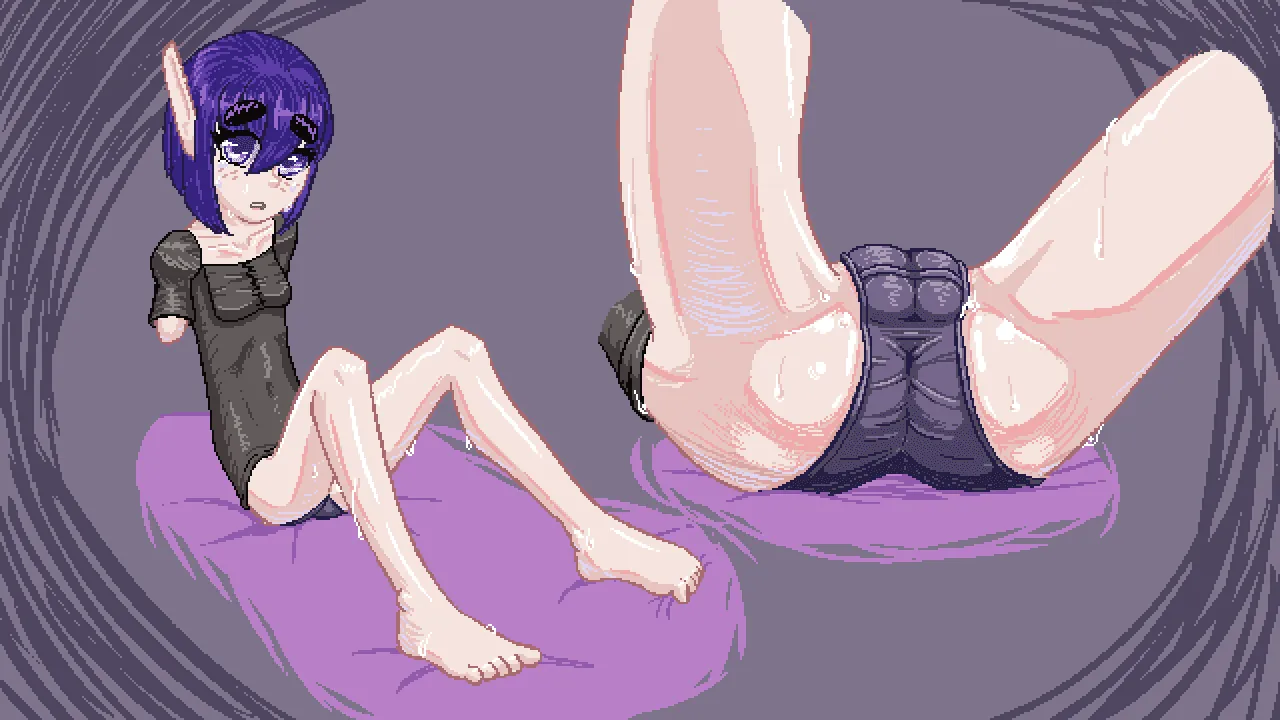
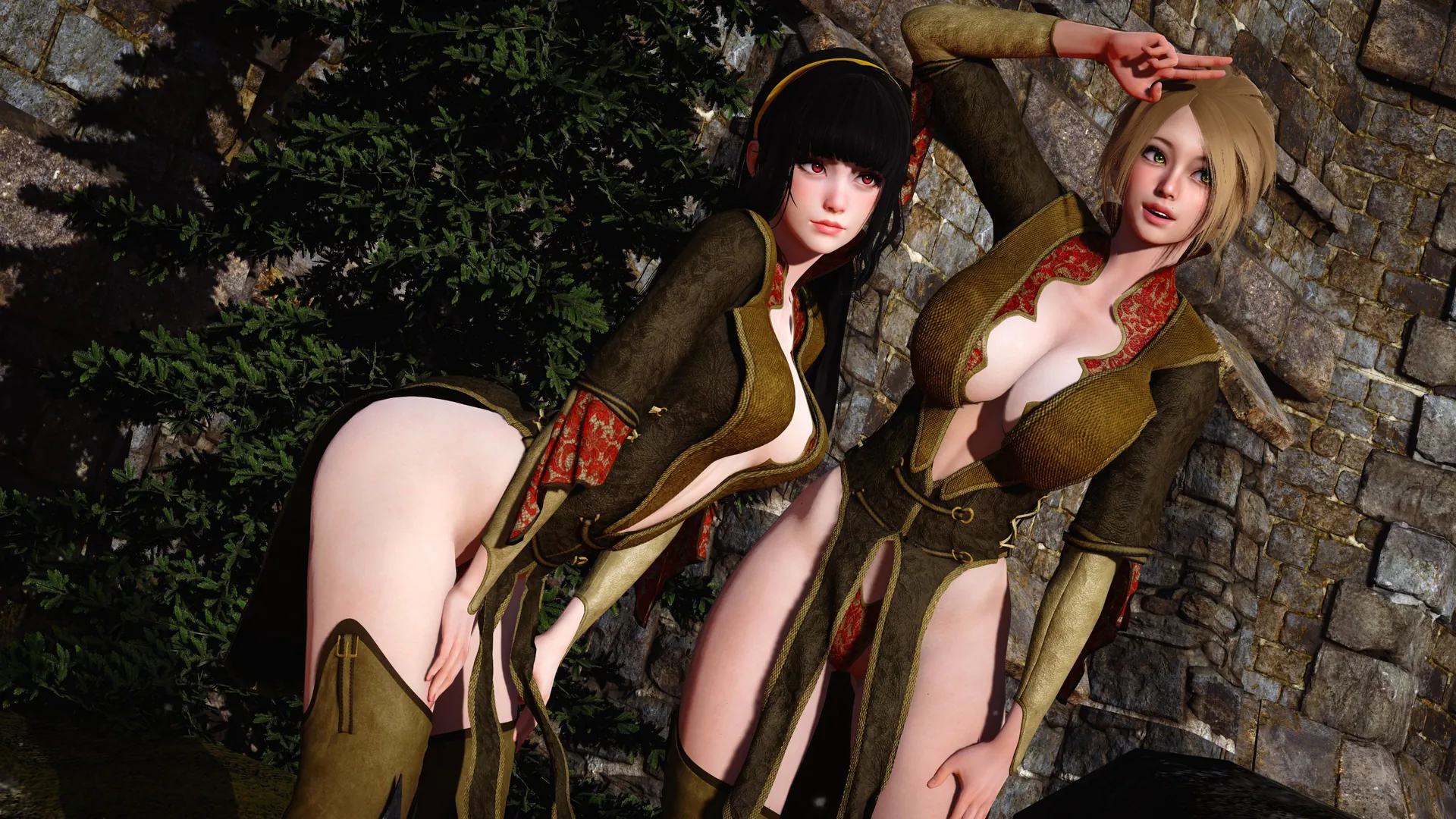
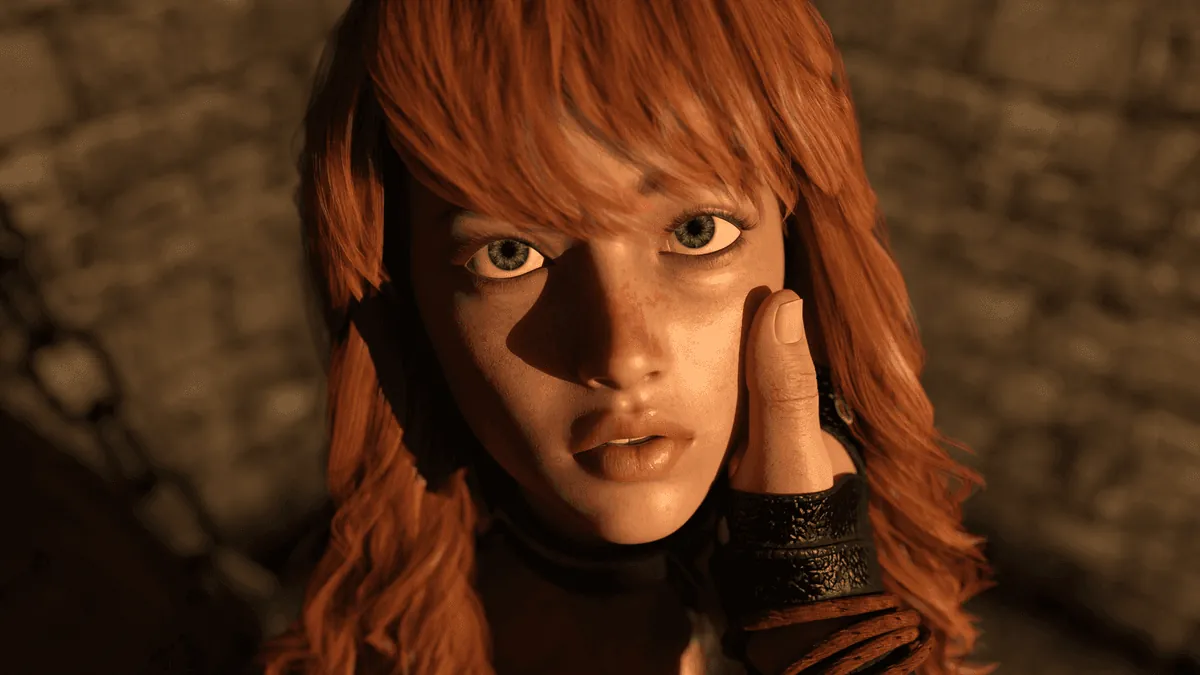
The Theater of Sinners Screenshots
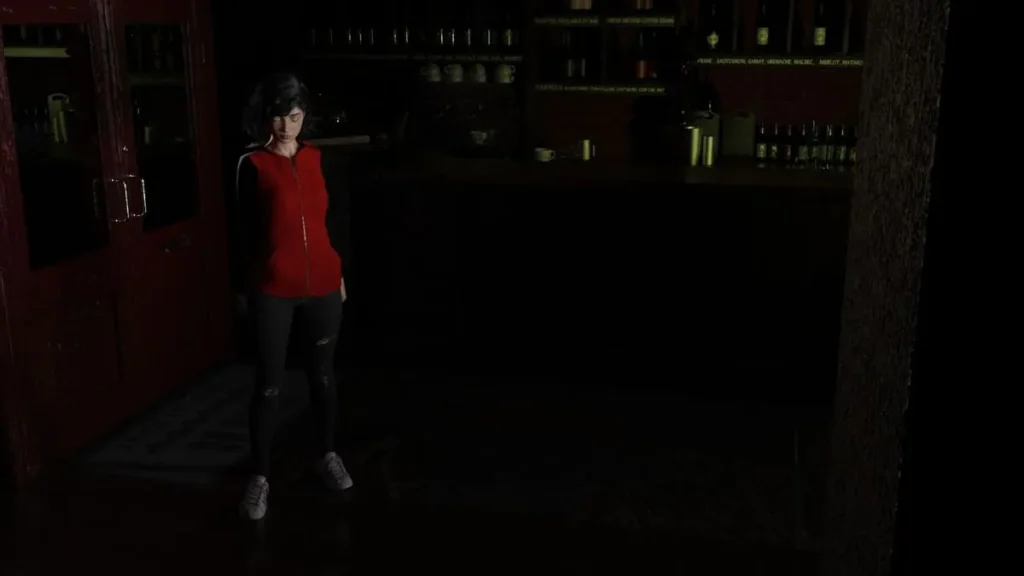
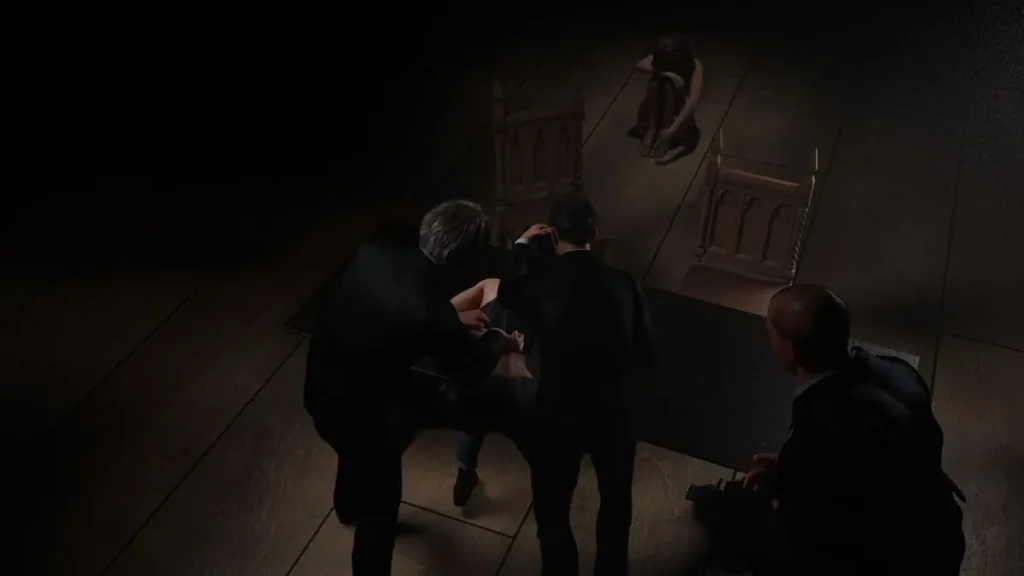
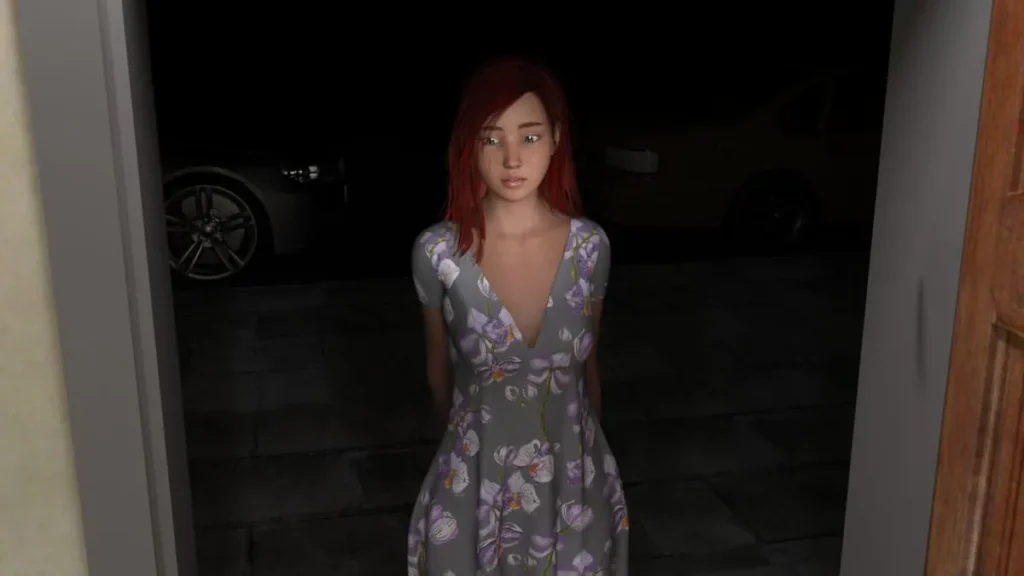
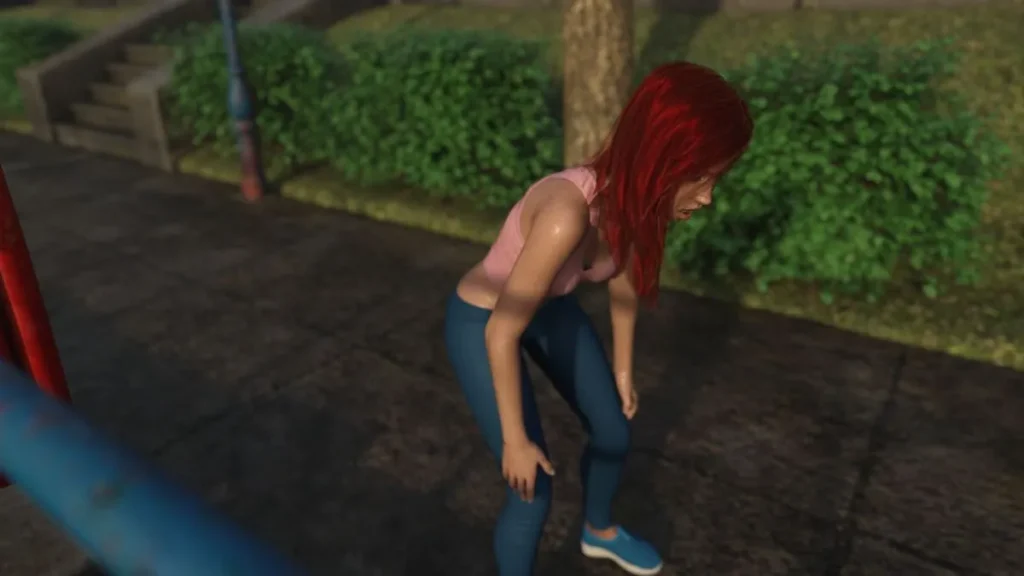
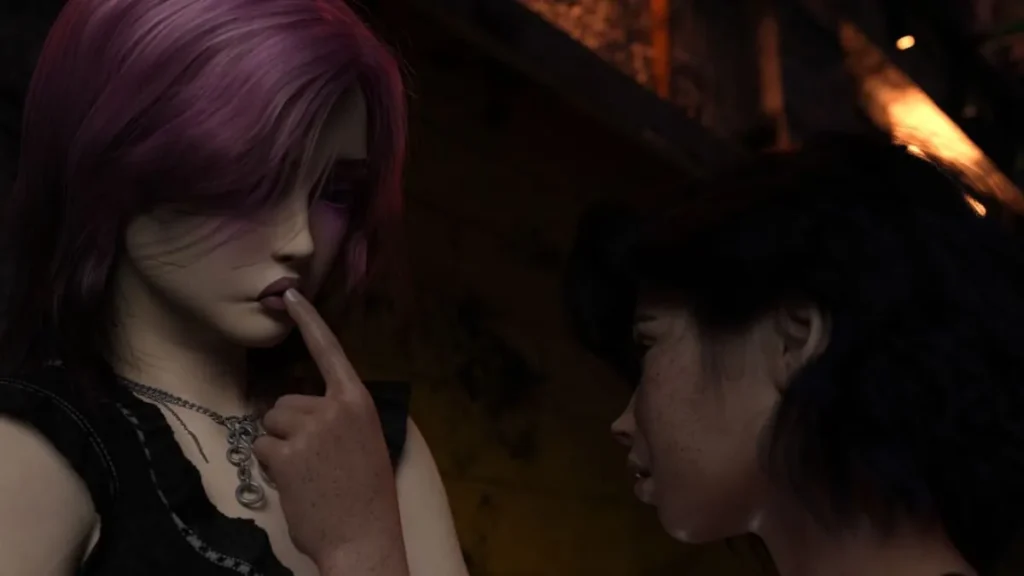
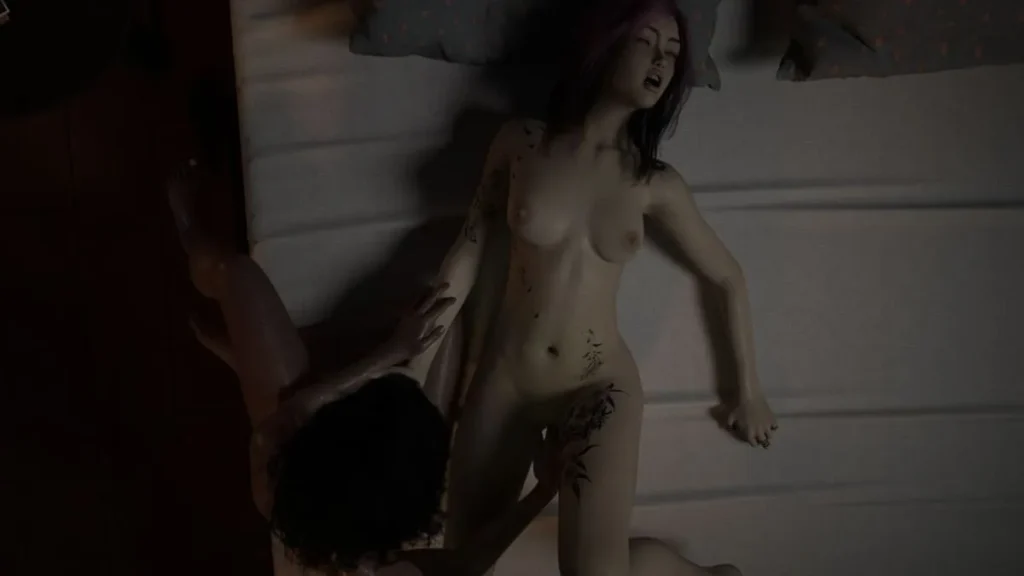
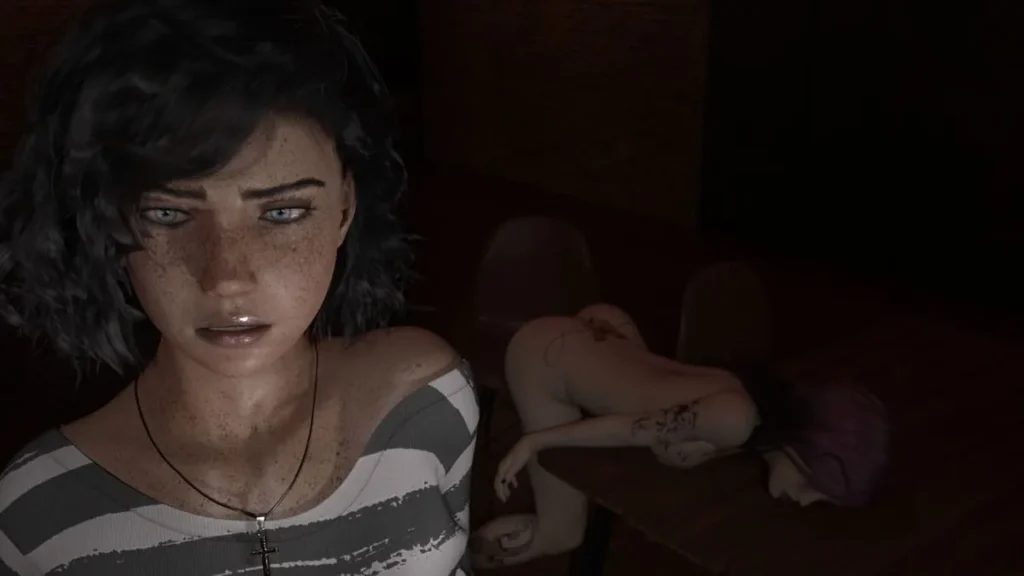


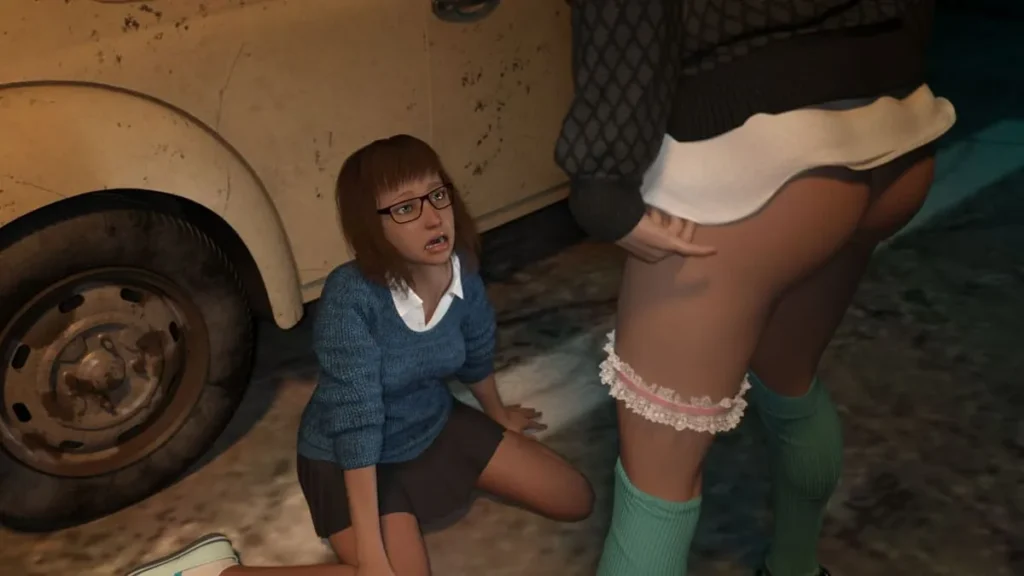
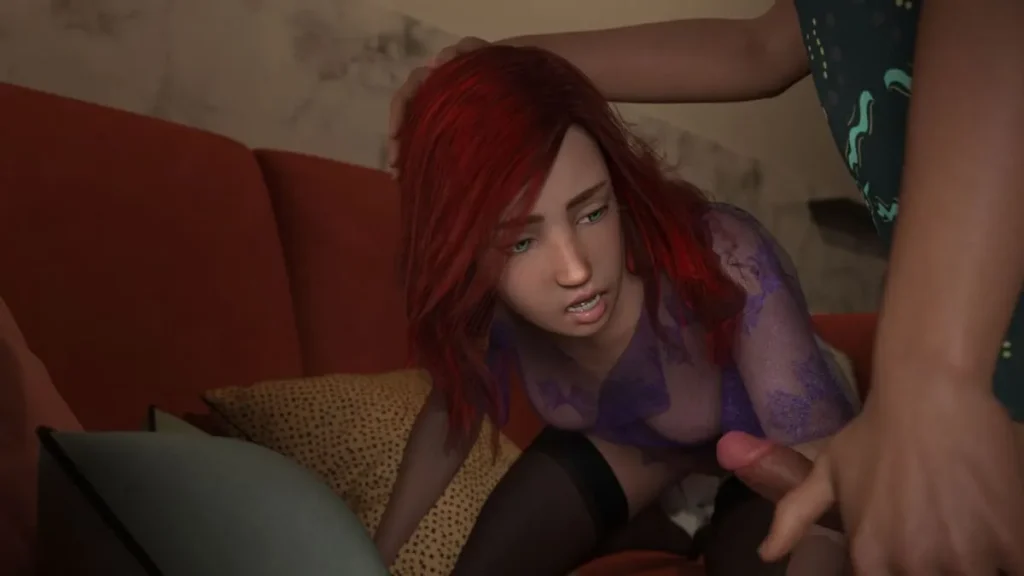
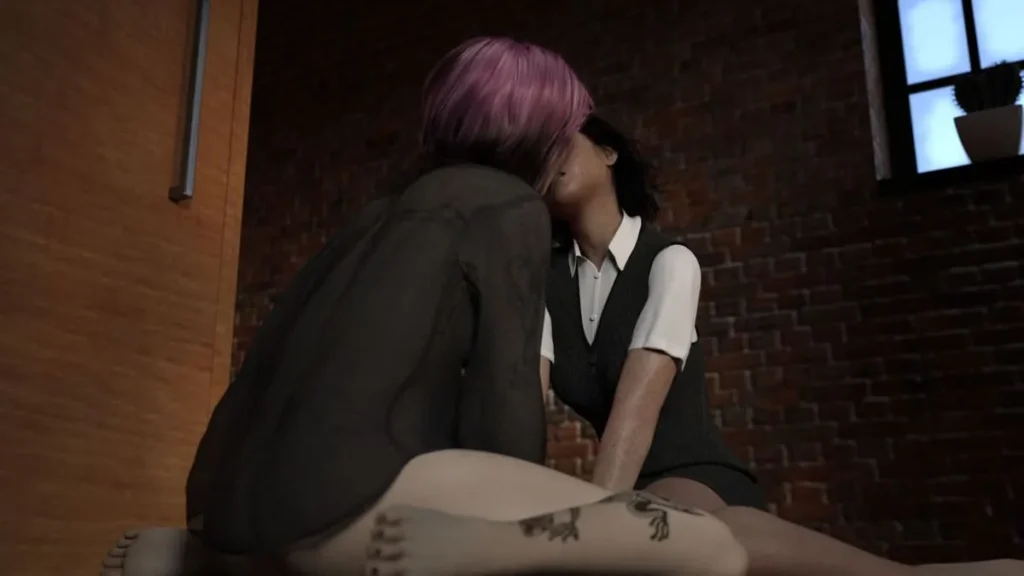
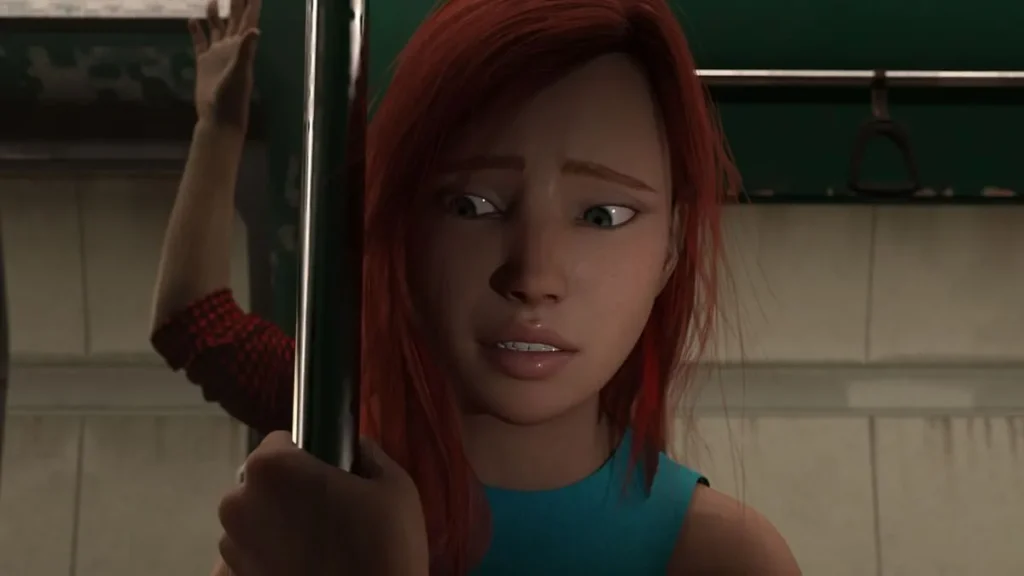
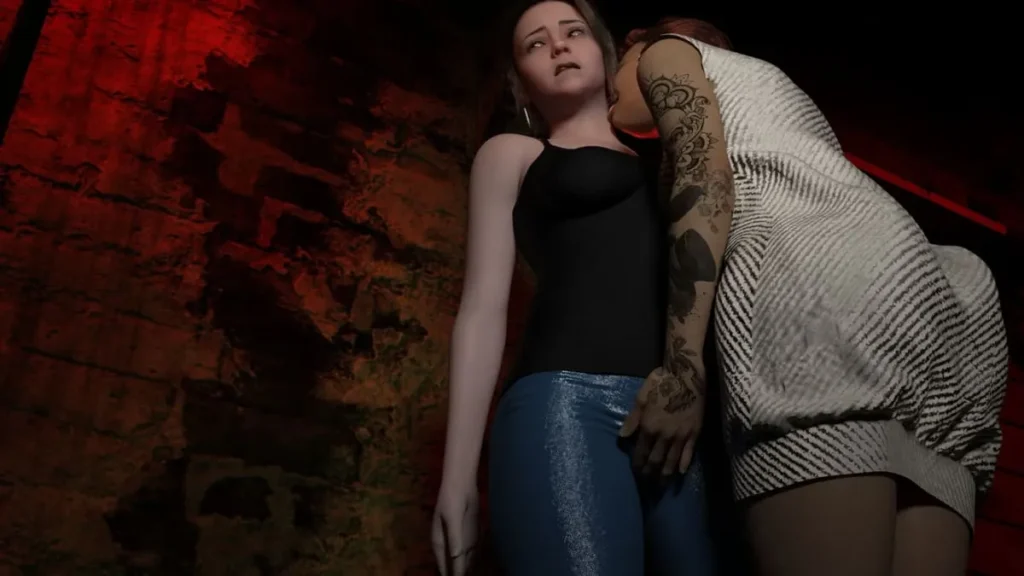
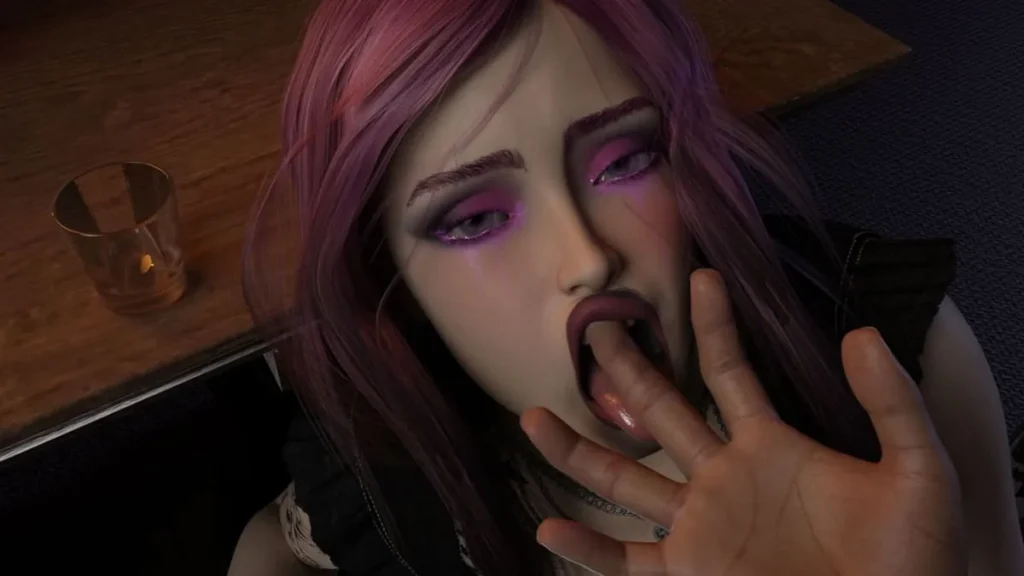
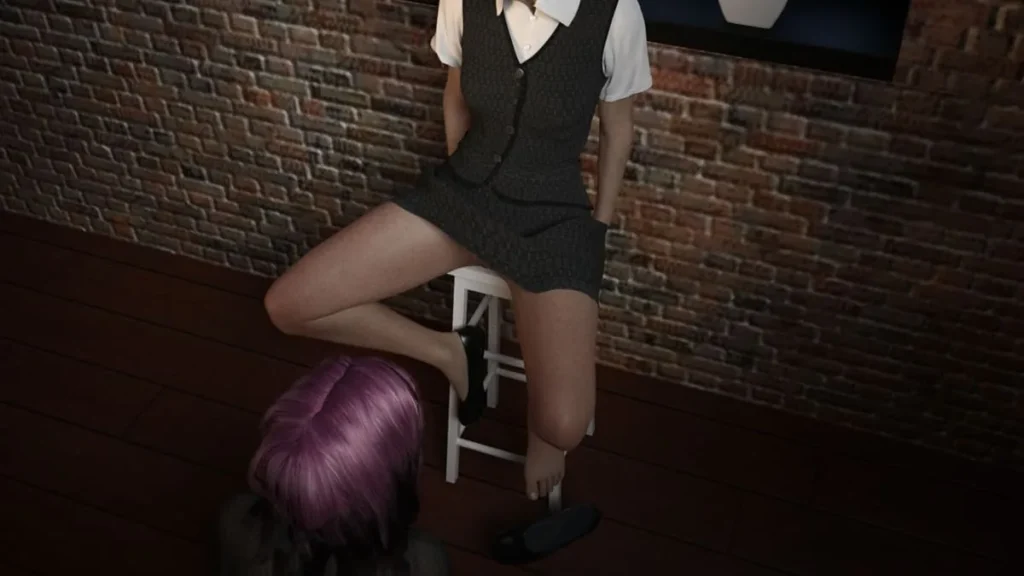
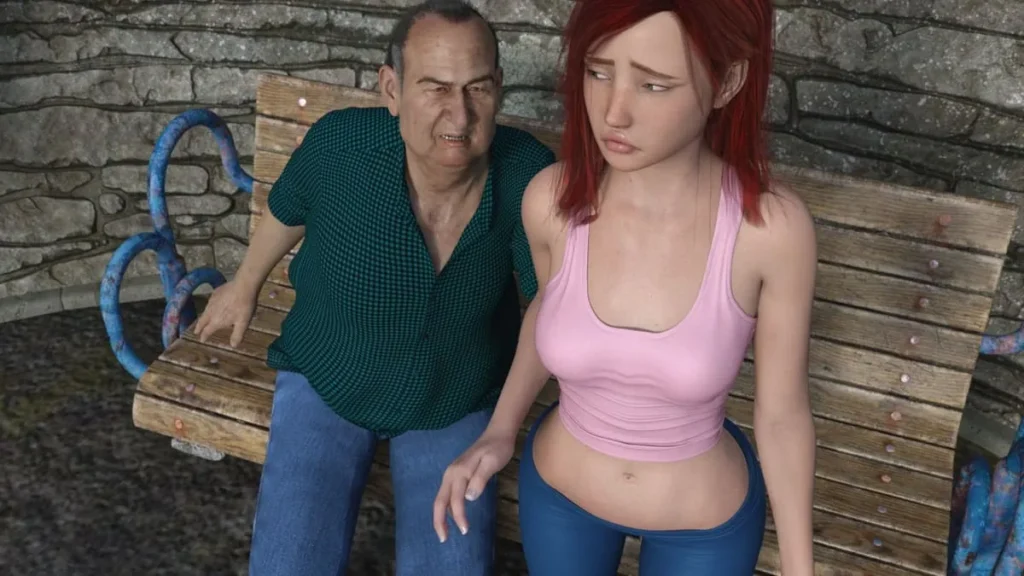
The Theater of Sinners review
Exploring choices, characters, and mature themes in The Theater of Sinners game
The Theater of Sinners is an adult-focused, decision-based visual story that blends psychological horror, moral ambiguity, and explicit content into one unsettling experience. Instead of offering lighthearted romance, it throws you into a world of humiliation, corruption, and brutality, where every choice can twist the fate of its troubled cast. In this guide, I’ll walk you through how the game works, what makes its narrative so intense, and my personal take on who this game is really for. If you’re curious whether The Theater of Sinners is worth your time, you’ll find everything you need to know here.
What Is The Theater of Sinners Game Really About?
So, you’ve heard the name, seen some provocative artwork, and you’re wondering what this The Theater of Sinners game is all about. 🤔 Let me be your guide. Forget everything you know about typical visual novels for a second. This isn’t a cozy romance or a light-hearted adventure. The Theater of Sinners is a decision-based adult visual novel horror experience that lives in the shadows, deliberately exploring psychological wounds, raw power dynamics, and narratives that will leave you unsettled.
Think of it less as a “game” in the traditional sense and more as an interactive, text-heavy descent into a world where the lines between victim, perpetrator, and survivor are not just blurred—they’re often erased. The The Theater of Sinners story is built on a foundation of humiliation, corruption, and brutality. It’s a narrative where characters grapple with deep trauma and often perpetuate the very cycles that hurt them. If you’re looking for heroes, you won’t find them here in any pure form. What you will find are compelling, broken people trying to navigate a reality where good and evil are shades of grey, and survival sometimes means losing a piece of your soul.
Core premise and tone of The Theater of Sinners
The first thing you need to understand is the atmosphere. 🎭 The tone of this dark adult visual story is deliberately uncomfortable, provocative, and psychologically oppressive. From the moment you start, the game establishes that it is not here to make you feel good. It’s here to make you think, to make you squirm, and to present scenarios that challenge your moral compass.
This is a mature narrative designed for adults who are prepared to engage with taboo dynamics, cruelty, and complex, often toxic, relationships. The core loop is story-driven: you read through descriptive text and dialogue, make choices at key moments, and watch the consequences unfold through static or semi-static visual scenes. The horror isn’t about jump scares; it’s a slow-burn, mental tension built through atmosphere, character psychology, and the dreadful anticipation of what might happen next.
It’s crucial to approach The Theater of Sinners with the right expectations. To summarize its heart:
- Humiliation & Power: Exploring how power is wielded through shame and degradation.
- Corruption & Change: Watching characters be twisted by their circumstances and choices.
- Blurred Morality: Constantly questioning who is “right” or if such a concept even exists here.
- Psychological Tension: A focus on internal struggle and mental unraveling over physical action.
If your idea of a good time is a uplifting tale where love conquers all, this is absolutely not that game. 🚫 It is a challenging, text-heavy experience that demands your emotional and intellectual engagement with difficult subject matter.
Main characters and their intertwined stories
What makes The Theater of Sinners so gripping isn’t just its dark setting, but the deeply flawed, three-dimensional people who inhabit it. The The Theater of Sinners characters are not archetypes; they are messy, contradictory, and painfully human in their flaws. You’ll see their vulnerabilities, their moments of weakness, and their capacity for darkness, which makes their journeys intensely compelling.
Two central figures anchor this world:
- Paula: Imagine the daughter of a wealthy, influential figure, someone from a gilded cage. Her story begins when she becomes entangled with a group of delinquent teenagers. What starts as a rebellious or curious foray quickly spirals as she’s pushed into increasingly twisted and dangerous situations. Her narrative is a brutal exploration of lost innocence, privilege, and the terrifying speed at which one’s life can veer out of control.
- Rebeca: Her story is a tragic study of cyclical harm. Raised in a deeply damaging and abusive environment, Rebeca’s entire worldview is shaped by trauma. The cruel irony—and the profound psychological core of her arc—is her slow, painful transformation. To survive, to gain power, or simply because it’s all she knows, she risks becoming a mirror image of the very forces she despises. Watching this potential unfold is one of the most haunting aspects of the The Theater of Sinners story.
Their paths intersect with other playable and key characters, each carrying their own scars and agendas. The web of connections is bound by recurring themes: abuse of power, desperate attempts at control, and the raw, ugly will to survive another day.
| Character | Core Struggle | Their Dark Reflection |
|---|---|---|
| Paula | Identity & Agency outside of privilege | Being consumed by the chaos she steps into |
| Rebeca | Surviving a toxic past | Replicating the abuse she endured |
| Other Key Figures | Control, obsession, and twisted “care” | Becoming the monster in someone else’s story |
This focus on showing both the fragility and the darkness within each person is what makes this a standout psychological adult game. You’re not just observing monsters; you’re understanding how they are made, and the game never lets you forget that there’s a human, however fractured, behind every cruel act.
Why The Theater of Sinners feels so psychologically intense
You might be asking: “Okay, but what makes it feel so heavy?” The intensity of The Theater of Sinners doesn’t come from gore or shock value alone. It’s baked into the very fabric of its writing and themes. This is a masterclass in psychological discomfort. 😣
The game relentlessly explores themes of manipulation, deep-seated shame, self-destructive tendencies, and, above all, power dynamics. Every relationship is a power play. Every choice feels like it’s weighing someone’s humanity against another’s desire. The writing is brilliant at blurring the moral lines, making you, the player, complicit. You’ll constantly wonder: Am I guiding this character toward a slightly safer harbor, or am I subtly pushing them toward a worse fate? Are my choices born of compassion, curiosity, or a hidden desire to see how far this can go?
Let me share a personal moment that stuck with me. Early on, I faced a choice with a character that seemed minor—a decision about whether to assert a small boundary or go along with a degrading but seemingly “harmless” request. I chose to go along, thinking I was avoiding conflict, building a twisted form of trust. Hours later, that single moment of acquiescence was referenced as precedent. It was used to justify a far more severe and humiliating escalation. The game remembered. It made my attempt at passive navigation feel naïve and, frankly, responsible. I had to put the controller down and walk away for a bit. That’s the power of its cause-and-effect storytelling.
“It was the quiet normalization of cruelty that got to me. The game doesn’t just show you the explosion; it makes you watch, and sometimes light, the long, slow fuse. That’s what feels uncomfortably real.”
This is the core of the experience. The Theater of Sinners holds up a dark mirror to player agency. It asks uncomfortable questions about our own boundaries as observers and participants. Are we here to “fix” these characters, or to witness their story, however grim? This reflective quality is what cements its status as a profound, if deeply challenging, psychological adult game.
So, Is The Theater of Sinners for me? 🎯 That’s the essential question. This game is only suitable for adults who are not only comfortable with but actively interested in engaging with very dark, mature themes in narrative form. It requires a strong stomach for psychological tension and narratives involving abuse and degradation.
If you are sensitive to these subjects, please heed this content warning: this game will likely be too much, and you should strongly reconsider playing. There is no judgment in stepping away. But if you are a player who seeks narratives that don’t flinch, that explore the darkest corners of human interaction and consequence with a serious, story-driven approach, then The Theater of Sinners offers an experience unlike any other. It’s a disturbing, thought-provoking journey that will linger in your mind long after you’ve closed the game.
The Theater of Sinners is not the kind of game you casually recommend to everyone. It is a confronting, adult-only visual story that leans into humiliation, moral ambiguity, and psychological tension, asking you to sit with choices that rarely feel clean or heroic. If you are drawn to dark narrative experiences and want a game that challenges your comfort zone rather than offering simple escapism, this title might be worth exploring. Just make sure you go in fully aware of its themes, listen to your own limits, and treat it as a story to be approached thoughtfully rather than consumed mindlessly.