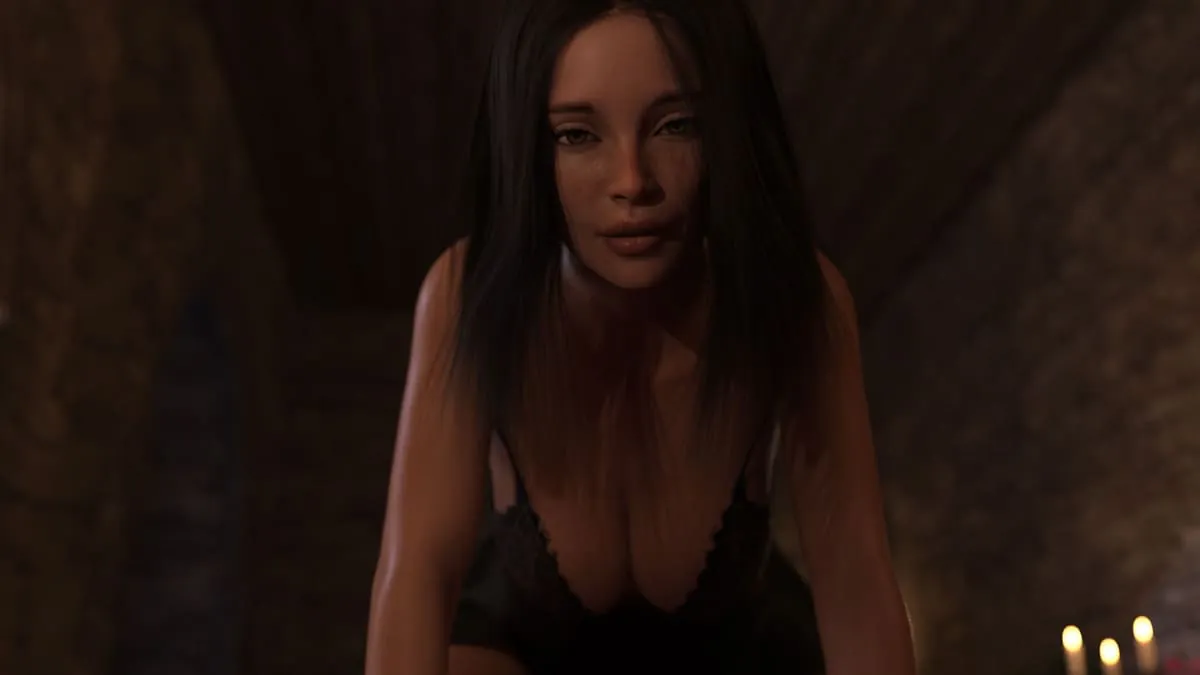
Play The Swordbearer
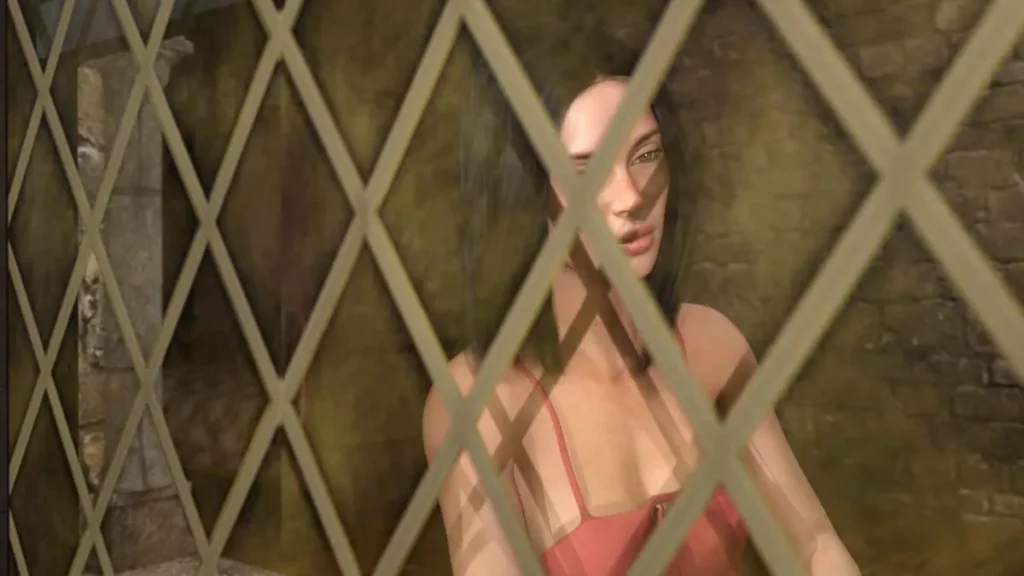
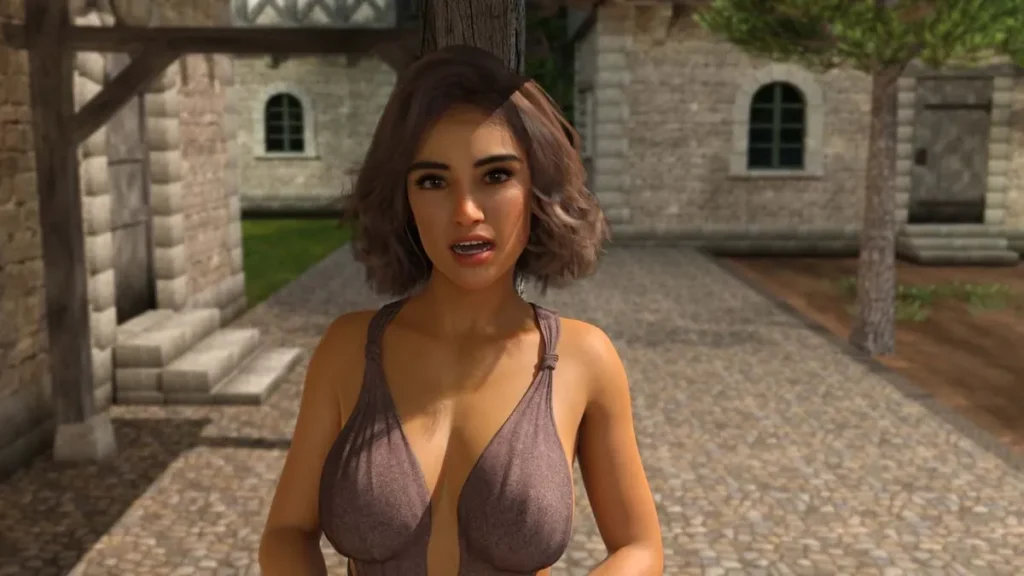
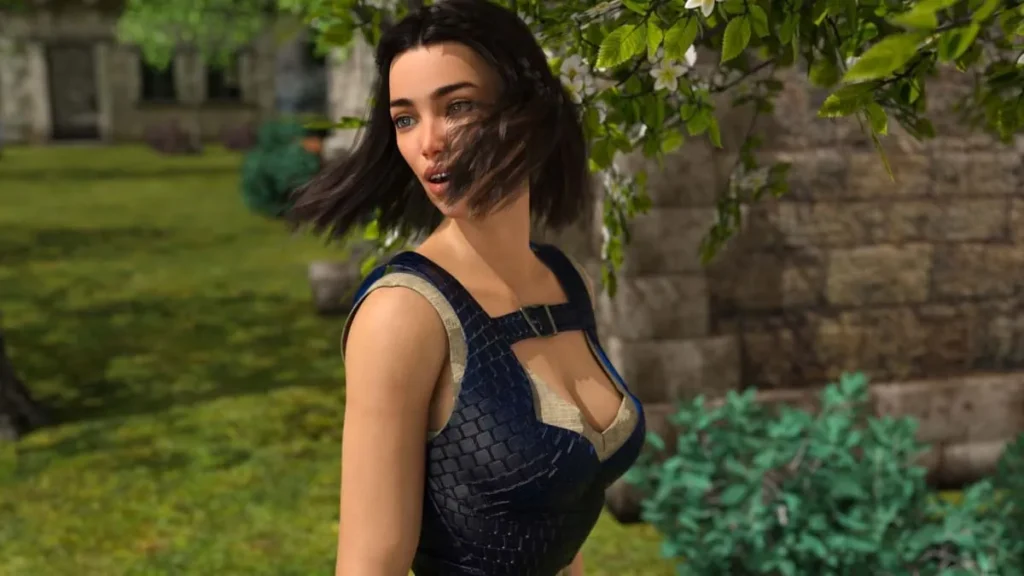
The Swordbearer Screenshots



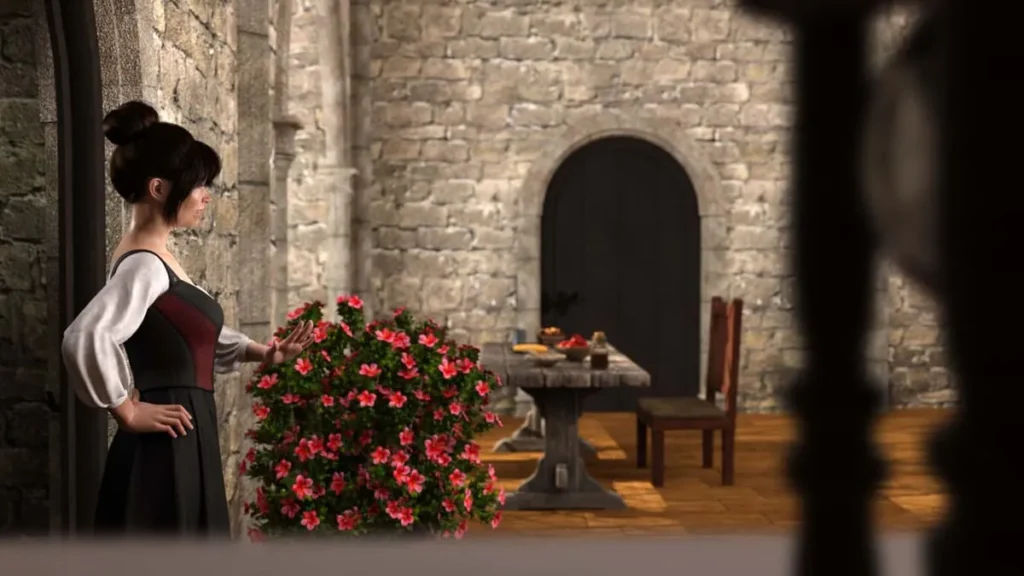
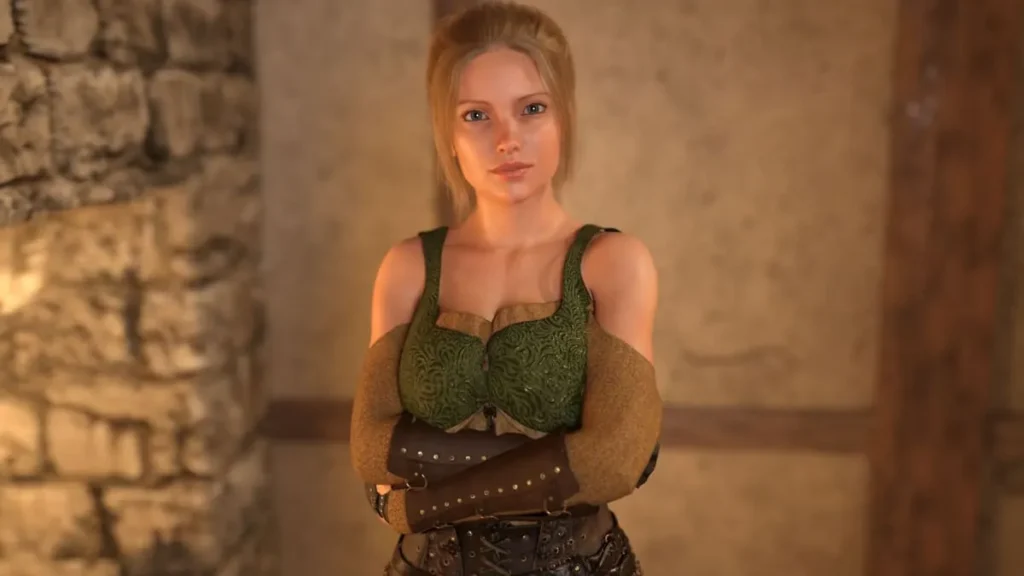


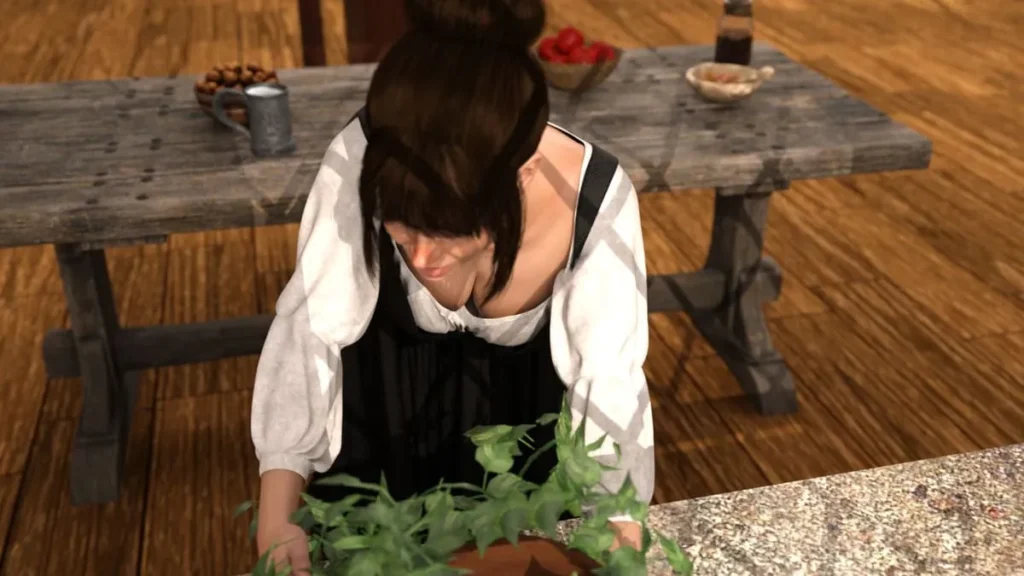
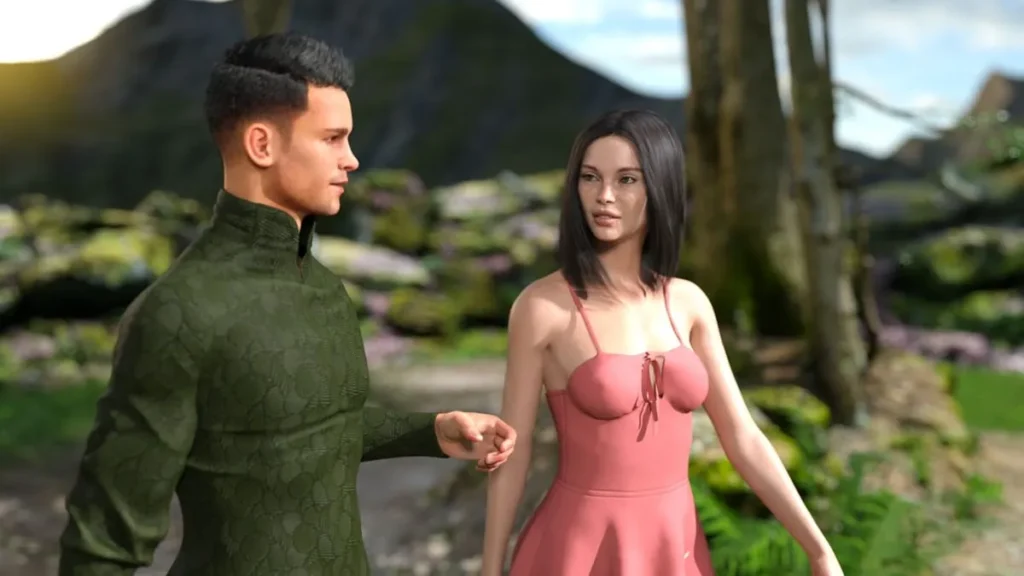
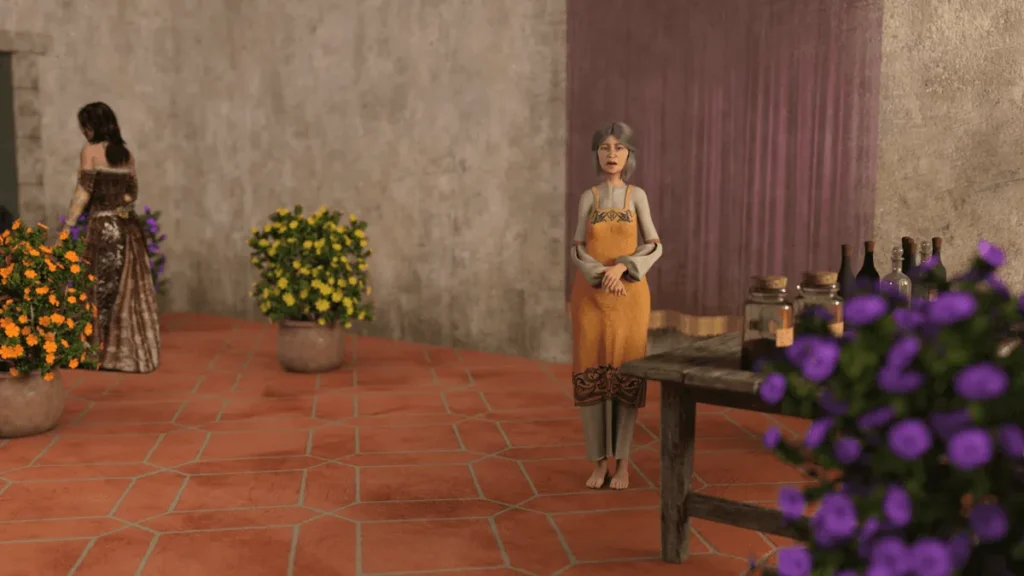
The Swordbearer review
Explore the story, gameplay mechanics, and character development in this adult fantasy adventure
The Swordbearer stands out as a narrative-driven fantasy adventure that combines engaging storytelling with character-focused gameplay. This game follows a young adventurer who inherits a sword and begins their journey at the Knights Guild in the capital city. What makes The Swordbearer particularly compelling is its focus on character development, relationship building, and uncovering a deeper evil plot as you progress through the story. Whether you’re interested in the narrative depth, character interactions, or the overall gaming experience, this guide provides everything you need to know about what makes The Swordbearer a memorable adventure.
Story, Setting & Character Development in The Swordbearer
Ever started a game and felt like you were just going through the motions? You know, create a hero, grab a weapon, slay some rats in a cellar? 😴 I’ve been there, and honestly, I was ready for another predictable fantasy slog. But then I loaded up The Swordbearer, and something different happened. Within the first hour, I wasn’t just playing a game; I was living inside a breathtaking, heart-pounding movie where my choices actually seemed to matter. The secret sauce? It’s all in how this game weaves its fantasy narrative gameplay directly into every action you take.
At its core, The Swordbearer story is about legacy, responsibility, and the bonds we form in the face of creeping shadows. It masterfully blends classic adventure tropes with mature, character-driven stakes, creating an experience that feels both epic and intimately personal. This isn’t just about saving the world; it’s about discovering why it’s worth saving, one conversation and one fierce battle at a time. Let’s pull back the curtain on the incredible world-building and narrative that makes this title stand out.
The Opening: Your Journey Begins at the Knights Guild
Your adventure doesn’t begin on a bloody battlefield or in a dragon’s lair. It starts quietly, with a legacy. You are a young adventurer, arriving in the sprawling capital city with a weight on your shoulders: an ancient, beautifully crafted sword left to you by a relative you barely knew. This isn’t just a sharp piece of metal; it’s a symbol, and its true significance is a mystery you’ll spend the entire game unraveling. 🗡️
With this heirloom in hand, your first goal is clear: prove your worth. You head straight to the most prestigious organization in the realm—the Knights Guild. This initial Knights Guild adventure is a brilliant piece of design. Applying isn’t a mere menu selection. You navigate the bustling guild halls, overhear snippets of gossip from seasoned warriors, and feel the palpable mix of ambition and anxiety in the air. You’re not the chosen one… yet. You’re just another hopeful with a fancy sword, and you have to earn your place.
Pro Tip: Talk to everyone in the Guild hall during your application. The characters you meet here aren’t just set dressing; many will become crucial to your journey later. This early world-building is your first lesson in the game’s philosophy: every person has a story.
This opening act perfectly sets the tone for the entire adventure game storytelling approach. The pacing is swift. There’s no hour-long info dump. Instead, you learn about the kingdom’s politics, its recent tensions, and the Guild’s role through environmental details and short, punchy interactions. You might break up a tavern brawl to demonstrate your skill, or be sent on a simple patrol that suddenly goes very wrong. The action starts early, and the plot hooks are set deep.
Example: How the Journey Unfolds
Imagine this: After receiving the sword from a cryptic messenger, you travel to the capital. Upon applying to the Knights Guild, you’re immediately thrust into a “routine” evaluation mission outside the city walls. It’s during this mission that you and your small team are ambushed by creatures that shouldn’t be this close to the capital—twisted, dark beings that speak of a greater corruption. Your quick thinking saves lives, earning you your guild insignia but also planting the first seed of doubt. This isn’t just a test; it’s the first thread of a much larger, darker tapestry. The transition from eager applicant to a knight suspicious of their own command structure is seamless and compelling.
Character Relationships and Loveable Companions
If the world of The Swordbearer is the stage, then The Swordbearer characters are the unforgettable actors who bring it to life. This is where the game truly shines as a character relationships game. Forget silent, generic party members who just follow you around. Each companion you recruit has a vibrant personality, a personal history that intersects with the main plot, and strong opinions—especially about you.
The game avoids lengthy, static dialogue trees. Relationships are built in motion. A sarcastic remark from your rogue companion during a tense stealth section, a word of encouragement from your steadfast fellow knight when your health is low, or a heated debate around the campfire about the morality of your last decision—these moments feel organic. The fantasy narrative gameplay is driven by these interactions. You don’t “level up” friendships in a menu; you build trust by having their back in combat, choosing to support their personal goals during quests, or simply listening when they need to talk.
The cast is wonderfully diverse, covering classic archetypes while injecting them with fresh depth:
* The Jaded Veteran: A knight who’s seen too much and trusts the Guild less with each passing day. They’re your tactical guide but also your window into the institution’s potential flaws.
* The Idealistic Scholar: Not a fighter by trade, but someone with immense knowledge of ancient history and magic. Their clues are vital for evil plot discovery, and protecting them in battle adds a thrilling layer of strategy.
* The Witty Outsider: A character from a misunderstood culture or guild, who challenges the capital’s prejudices. Their loyalty is hard-won but unwavering.
* The Conflicted Ally: Someone with ties to the emerging threat, struggling between their duty and their heritage. Your choices with this character can lead to dramatically different story outcomes.
Here’s a quick look at how these relationships dynamically shape your journey:
| Character Type | Role in the Party | How Relationships Develop | Impact on the Story |
|---|---|---|---|
| The Jaded Veteran | Tank & Tactical Leader | Through shared defiance of dubious orders and protecting civilians. | Can expose corruption within the Guild leadership. |
| The Idealistic Scholar | Support & Lore Expert | By safeguarding their research and aiding their academic pursuits. | Provides key artifacts and translations to unravel the ancient threat. |
| The Witty Outsider | Scout & Damage Dealer | By embracing their unconventional methods and defending their honor. | Unlocks secret paths and alternative solutions to major conflicts. |
| The Conflicted Ally | Flexible Wildcard | Through empathy versus judgement during their personal crises. | Determines a major faction’s alliance in the final act. |
I remember on my first playthrough, I brushed off the Scholar’s theories about ancient sigils as mere background flavor. Big mistake. Later, when facing a magical barrier I couldn’t cross, I was stuck for an hour until I re-engaged with her and completed a side quest to deepen our bond. She then presented me with a talisman that solved the puzzle instantly. The game had subtly taught me: these relationships are progression. ❤️🤝⚔️
Uncovering the Evil Plot and Darkness
Just as you’re settling into your new life as a Knight, celebrating small victories and growing closer to your companions, the cracks begin to show. This is where The Swordbearer story takes a masterful turn from a guild-based adventure into a gripping conspiracy thriller. The evil plot discovery isn’t handed to you in a villain’s monologue; it’s pieced together through unsettling evidence, conflicting reports, and the growing sense that your own commanders are keeping secrets.
The “encroaching darkness” is both a literal and metaphorical force. You’ll fight corrupted beasts and sinister cultists, yes, but the more profound battle is against complacency, propaganda, and institutional failure. One mission might have you investigating missing grain shipments, which leads you to a corrupt official, which in turn points to a noble house using forbidden magic to amass power, all while the Guild leadership tells you to focus on the “real threat” at the border. The game makes you feel like a detective in a fantasy world, connecting dots that those in power are trying to erase.
The pacing here is exceptional. Just when you think you have a handle on the threat, a major plot twist recontextualizes everything. Perhaps a trusted mentor figure is involved, or a seemingly minor enemy from the early game returns as a major puppet master. These twists are earned, foreshadowed through environmental clues and companion dialogue, so they feel shocking but never cheap. The adventure game storytelling keeps you on your toes, ensuring that no dungeon crawl or side quest feels disconnected from the central, thrilling mystery.
Your journey from a rookie knight to the pivotal Swordbearer is defined by this investigation. The ancient sword you inherited is the key, resonating in the presence of this old darkness. Each piece of the evil plot you uncover makes the sword, and your role, clearer. Do you use the Guild’s resources to fight the threat from within, or do you break away and risk being labeled a traitor to find the truth? The game presents these choices with real weight, and your companions will react accordingly, some supporting your renegade path, others pleading for you to trust the system.
This entire narrative structure feels cinematic—like you’re the star of a dark fantasy film—but never at the expense of interactivity. You are the one choosing which lead to follow, who to confront, and when to strike. The blend of active investigation, explosive action set-pieces, and quiet, character-driven moments creates a rhythm that is utterly absorbing.
In the end, The Swordbearer understands that a great story is about more than a final boss fight. It’s about the journey that makes that fight meaningful. It’s about the friends who fight beside you, the truths you uncover that shake your beliefs, and the legacy you choose to uphold with that mysterious sword. By seamlessly integrating its Knights Guild adventure with deep character relationships and a suspenseful, unfolding conspiracy, it delivers a fantasy narrative gameplay experience that stays with you long after the credits roll. It’s a testament to the power of interactive storytelling, proving that with the right balance of heart, intrigue, and action, a game can make you feel not just like a hero, but like the author of your own epic tale. 🏰✨
The Swordbearer delivers a compelling fantasy adventure that prioritizes narrative depth and character engagement. From your initial application to the Knights Guild through to uncovering the darkness threatening the realm, the game maintains a cinematic quality that keeps players invested in the story. The combination of loveable characters, meaningful relationships, and an intriguing evil plot creates an experience that feels both interactive and narratively satisfying. If you’re looking for a game that balances action, character development, and mystery, The Swordbearer offers a memorable journey worth experiencing. Start your adventure today and discover what awaits you in this richly detailed fantasy world.