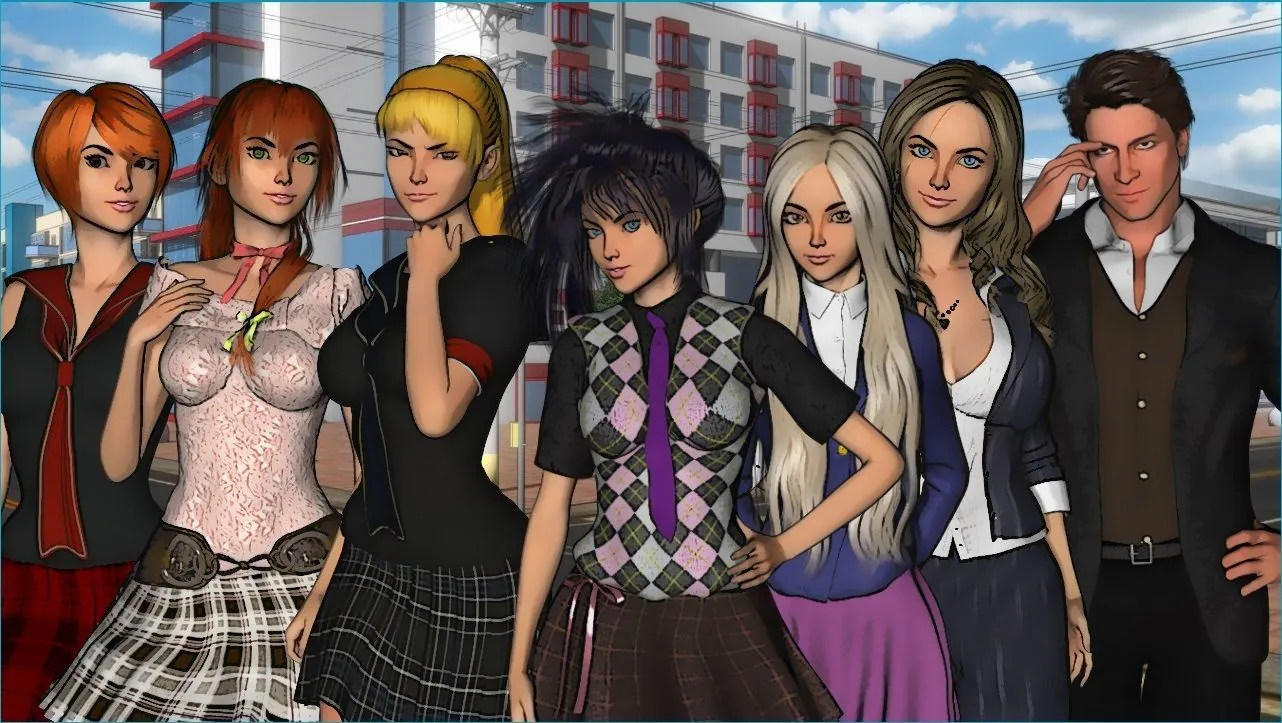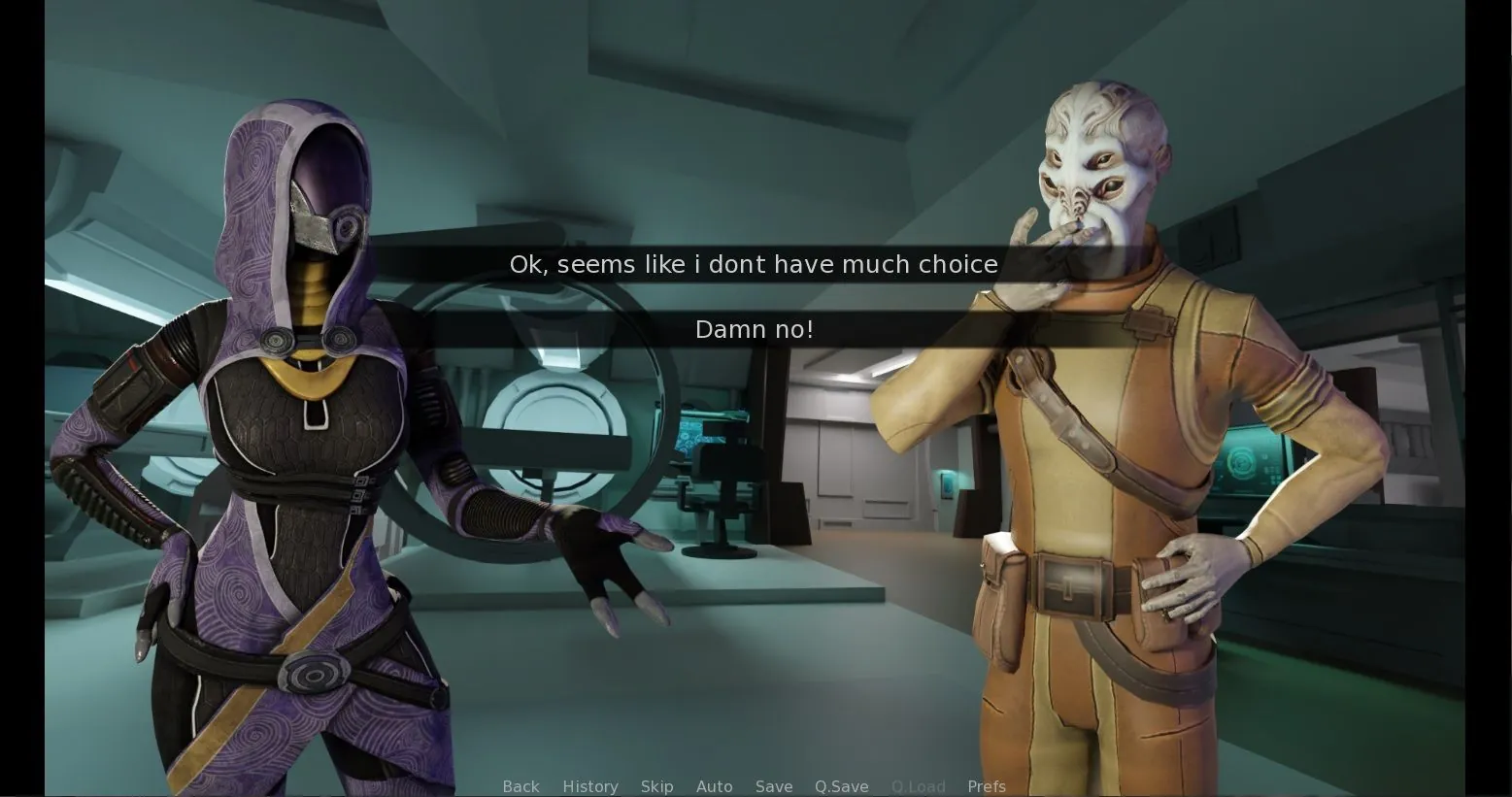
The Fate of Irnia
Play The Fate of Irnia
The Fate of Irnia Screenshots
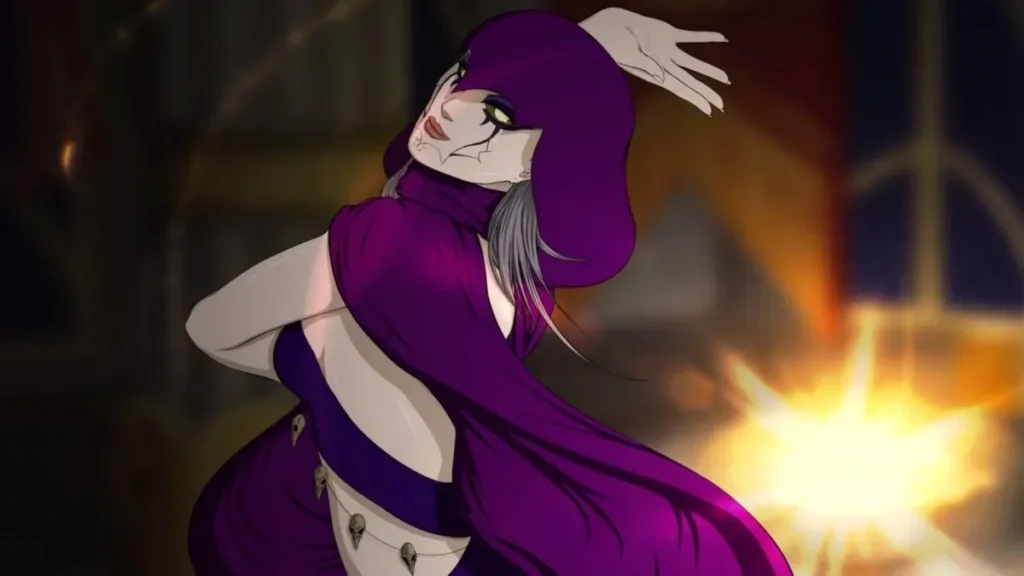
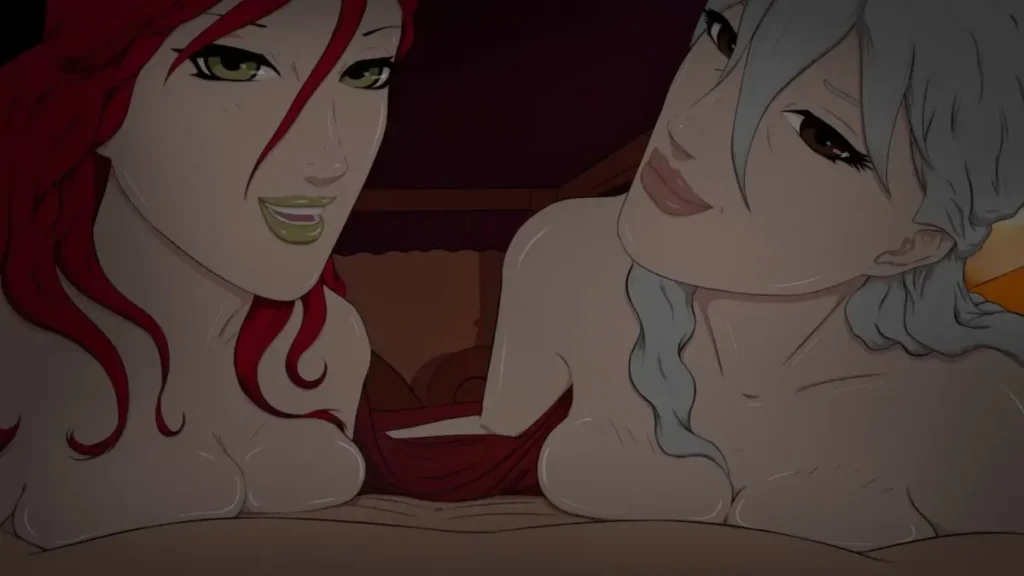
The Fate of Irnia review
Dive into a fantasy world of romance, magic, and destiny-shaping decisions
Imagine inheriting a mysterious magical orb on your 17th birthday, right as orc hordes threaten your homeland of Irnia. That’s the gripping start to The Fate of Irnia, a captivating visual novel where your every choice rewrites the story. I remember my first playthrough—heart pounding during tense council meetings, butterflies from budding romances—it felt like I was truly commanding the fate of an entire kingdom. This game blends deep storytelling, branching paths, and intimate relationships in a fantasy realm on the brink of invasion. Whether you’re exploring ruins, forging alliances, or unlocking steamy encounters, The Fate of Irnia delivers replayable thrills that keep you coming back for more endings and secrets.
What Makes The Fate of Irnia Unmissable?
I still remember the exact moment I realized The Fate of Irnia was something special. I was trying to charm a grumpy dwarven blacksmith for information, and my usual tactics were getting me nowhere. Then, I noticed the faint, pulsing glow of the magical orb in my inventory. On a whim, I selected it. The game presented me with a choice: channel its red energy to dominate his mind, or use its blue resonance to subtly amplify his trust. I chose blue. Suddenly, the dialogue options shifted from transactional bartering to a heartfelt conversation about his lost craft. He didn’t just give me the info; he gave me a key to his private forge. That’s when it clicked—this wasn’t just a trinket. This was the heart of the game.
How the Magical Orb Changes Everything 🪄
So, what is The Fate of Irnia orb? It’s your direct line to the ancient magic flowing through Irnia, and it’s the single most important tool in your journey. It’s not a weapon for your hand, but a lens for your will. The core magical orb mechanics are elegantly simple but have profound depth. The orb attunes to two fundamental forces:
- Red Influence: The power of dominion, force, and raw emotional imposition. It’s for bending others to your will, intimidating foes, or passionately demanding loyalty.
- Blue Influence: The power of empathy, subtlety, and harmonious connection. It’s for building genuine trust, understanding hidden motives, and persuading through compassion.
Every significant social interaction in The Fate of Irnia can be filtered through this orb. The system remembers your attunement. Lean heavily into red dominance, and the orb itself might glow a fiercer crimson, opening up new, more aggressive pathways in conversations. Nurture a blue alignment, and you’ll find characters sharing secrets they’d take to the grave.
The genius lies in how these magical orb mechanics feed into the Irnia world state changes. It’s not just about one character liking you. It’s about the ripple effect.
My Top Tip: Save before any major conversation! Experiment with both orb influences on the same character in different saves. You’ll be stunned by how differently scenes can play out.
For a quick scan, here’s what the orb system unlocks:
- Social “Hacking”: Bypass entire combat encounters or diplomacy checks by mentally persuading or overwhelming key figures.
- Relationship Depth: Romance options aren’t just yes/no. You can build a passionate, possessive bond with red energy or a tender, deeply understanding partnership with blue.
- Faction Alignment: Consistently using one influence will make certain factions inherently trust or fear you, altering available quests and allies.
- Unique Scene Access: Some memories, dream sequences, and prophetic visions are only accessible if your orb is attuned to a specific frequency.
To see how this works in practice, check out this breakdown of core orb abilities:
| Orb Attunement | Primary Use | Example Outcome |
|---|---|---|
| Red (Dominance) | Intimidation, Demanding Loyalty, Forcing Truths | Scaring a corrupt guard into abandoning his post, creating a devoted but fearful follower. |
| Blue (Subtlety) | Earning Trust, Discovering Secrets, Peaceful Persuasion | Convincing a spy to become a double agent out of genuine respect, unlocking a character’s tragic backstory. |
| Balanced | Accessing Rare Diplomatic Paths | Negotiating a tense truce between two warring tribes that neither pure red nor pure blue could achieve. |
Branching Paths and Multiple Endings Explained 🌳
This is where The Fate of Irnia truly earns its name. The branching narrative Irnia offers isn’t about choosing “good” or “evil” from a menu. It’s about the cumulative weight of every whispered secret, every failed alliance, and every act of kindness or cruelty. The game has a terrifyingly good memory.
Let me tell you about my second playthrough. Early on, I met a desperate elf scout near the Whispering Woods. Low on supplies and in a hurry, I used a red orb impulse to brush her off harshly. I didn’t think much of it—just one minor NPC, right? Wrong. Forty hours later, when the Orc Horde laid siege to the capital, a key flank was left undefended. In the war room, a commander barked, “Where in the blazes is the Whispering Woods contingent?!” That elf scout was their leader. My early rudeness had demoralized her, causing her clan to retreat into isolation. That single, forgotten choice fundamentally altered the battle’s difficulty and cost me the life of a beloved companion.
This is the essence of player choices consequences. There is no “illusion of choice.” Paths lock and unlock based on a hidden web of prerequisites: faction reputation, character affinity, key items found, and, of course, your orb’s alignment.
The multiple endings Fate of Irnia provides are a direct reflection of this. We’re not talking three variations on a final cutscene. We’re talking about entirely different states of existence for the world:
- The Harmonic Restoration: Unite the fractured kingdoms through empathy (Blue-aligned) and restore the ancient magical wellsprings.
- The Iron Tyranny: Forge an empire through conquest and psychic domination (Red-aligned), ruling a fearful but “unified” Irnia.
- The Silent Oblivion: Fail to stop the encroaching cosmic void, often resulting from broken alliances and mistrust.
- The Personal Sacrifice: A bittersweet ending where you save the world but lose your own place in it, often tied to a specific romance path.
- The Dark Ascension (Death Route): A secret, grueling path where you embrace a nihilistic power, becoming the final boss other players would have to face.
Each ending has variations within it. Did your romantic partner survive? Which factions are in power? The game’s final chapter paints a detailed picture of the world you created.
| Your Key Decisions Shape… | Which Impacts The Ending By… |
|---|---|
| Faction Alliances (Who you side with in conflicts) | Determining who sits on the ruling council, which regions thrive, and which are oppressed. |
| Character Fates (Love, Friendship, Rivalry) | Influencing final battle allies, epilogue vignettes, and the emotional tone of the conclusion. |
| Orb Alignment (Red, Blue, Balanced) | Unlocking the specific magical “flavor” of your ending—is peace enforced or earned? Is power shared or claimed? |
| Major World Events (Stop a plague? Uncover an ancient truth?) | Altering the physical and spiritual landscape of Irnia itself in the finale. |
Why Player Choices Feel So Real ✨
In so many games, choices feel like selecting from a script. In The Fate of Irnia, they feel like gardening. You plant seeds (your decisions), tend to them (through relationships and orb mechanics), and eventually, you have to live in the garden you grew—thorns, wilted flowers, and all. The player choices consequences are felt, not just noted.
The character relationships are the best example. Gaining someone’s trust isn’t about picking all the “nice” dialogue options. It’s about using your blue orb attunement to detect their insecurities and addressing them without being asked. It’s about knowing when to use red energy to fiercely defend them, showing a protective side they value. Conversely, making an enemy feels equally organic. Outshine a vain noble once too often, and they’ll actively work to undermine you, setting traps that can derail entire questlines later.
The game sells this through brilliant reactive dialogue and Irnia world state changes. NPCs will reference your past deeds in casual conversation. Shops in towns you’ve helped will lower their prices. Areas you neglected might be overrun with enemies or locked under new leadership. The world feels alive and responsive.
Here’s my practical, actionable advice to make your choices truly count:
- Save Often, and in Multiple Slots: This is non-negotiable. You’ll want to revisit major branches.
- Track Your Alignment: The game doesn’t give you a morality meter, but pay attention to your orb’s glow and the titles NPCs whisper about you (“the Peacemaker” vs. “the Mindbreaker”). This guides what abilities are strongest for you.
- Talk to Everyone, Repeatedly: After every major story beat, revisit your core companions and faction leaders. Their new dialogue often hints at how your last actions shifted their path.
- Embrace Failure: Some of the most memorable narrative twists come from a choice backfiring. Don’t reload immediately; see where the story takes you. A failed alliance can lead to a desperate, thrilling survival scenario.
So, why does this elevate The Fate of Irnia above typical visual novels or choice-driven RPGs? Because it integrates its core mechanic—the magical orb—so deeply into every layer of the experience. Your tool for shaping dialogue is the same tool that shapes the world’s magic, which in turn shapes the political landscape and your personal relationships. It’s a perfect loop of cause and effect. The branching narrative Irnia is built upon isn’t a gimmick; it’s the foundational architecture. You aren’t just reading a story; you are conducting an orchestra of fates, with every choice tuning an instrument, and the finale is a symphony that only you could have composed. You genuinely feel the weight of the world’s fate in your hands, and that is an unparalleled magical experience.
Your Fate of Irnia Questions, Answered 🤔
Q: I’m overwhelmed by the orb choices. Should I just pick one color and stick with it?
A: For a first playthrough, absolutely! Committing to a strong red or blue alignment is the best way to experience a clear, powerful narrative arc and unlock the most dramatic world state changes. You can always experiment with a balanced approach later.
Q: How much replay value do the multiple endings Fate of Irnia has really offer?
A: Immense. Beyond the major ending categories, the variations in character fates, faction status, and the “how” of your victory make each playthrough distinct. A “Harmonic Restoration” where you’re alone feels completely different from one where you rule beside your love. Most players report 3-4 full playthroughs to see the major branches.
Q: What’s one beginner tip you wish you’d known?
A: Pay close attention to the animation of your orb in dialogue scenes, not just the color. A slow, rhythmic pulse might indicate a chance for deep blue connection, while a sharp, flickering glow could signal a perfect moment for a red power play. The orb is talking to you.
The Fate of Irnia isn’t just a game—it’s your chance to shape a vivid fantasy world filled with romance, high-stakes decisions, and unforgettable characters. From the orb’s seductive whispers to the thrill of orc invasions and diverse love paths, every playthrough reveals new layers of Irnia’s destiny. I dove in skeptical but emerged hooked, replaying routes like Jenny’s sweet bond or Ghorza’s intense passion. Ready to claim your legacy? Download The Fate of Irnia today, experiment with choices, and uncover endings that match your wildest fantasies. Your adventure awaits—what fate will you forge?