Tainted Heritage – a.k.a Weird Shit Is Going to Happen
Play Tainted Heritage – a.k.a Weird Shit Is Going to Happen
Tainted Heritage – a.k.a Weird Shit Is Going to Happen Screenshots
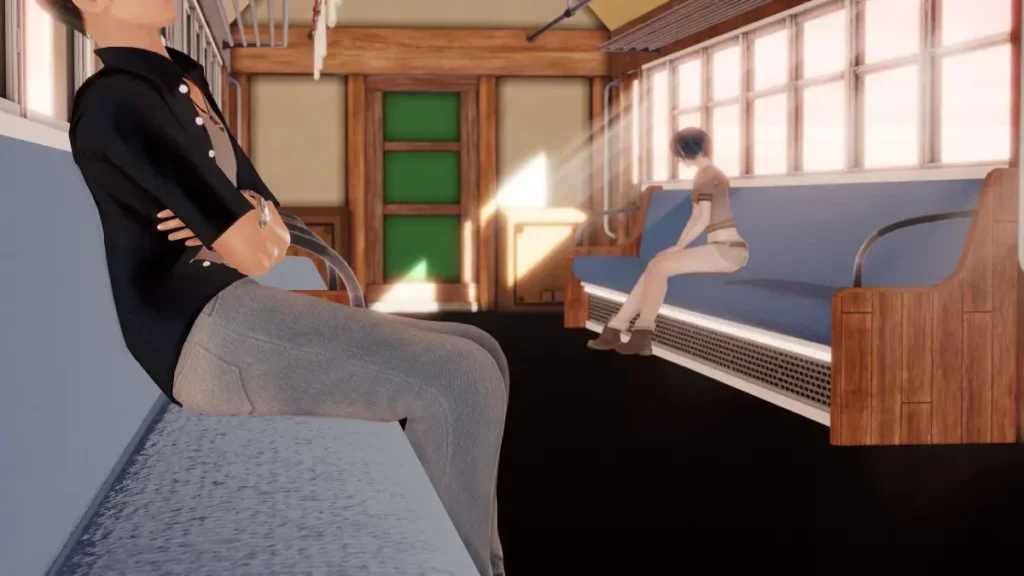
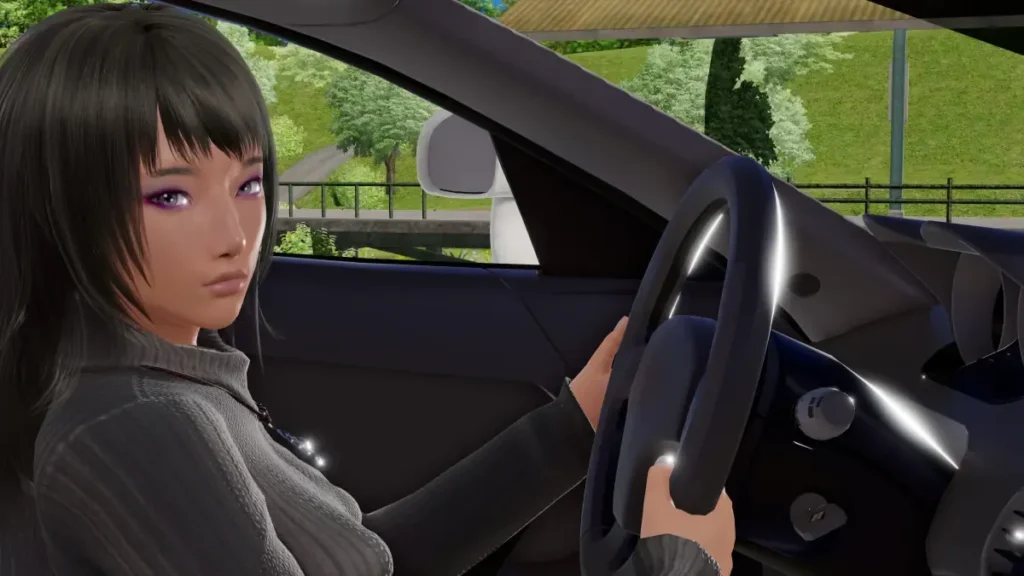
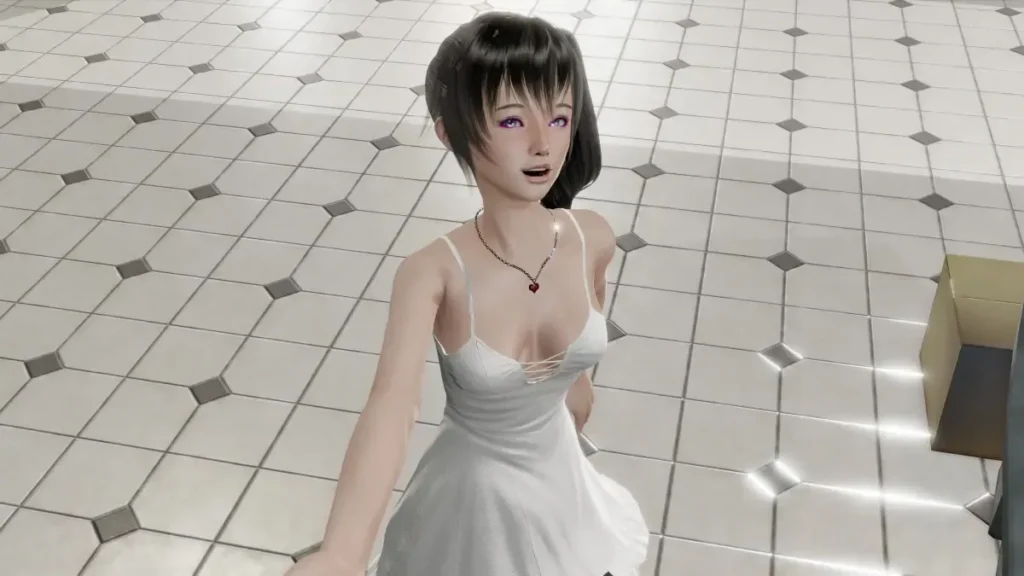
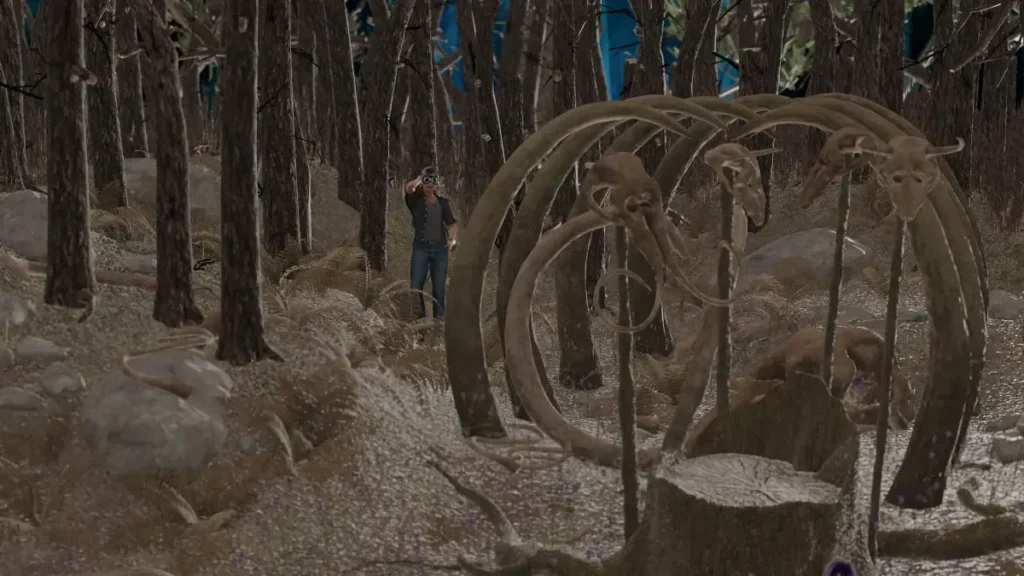
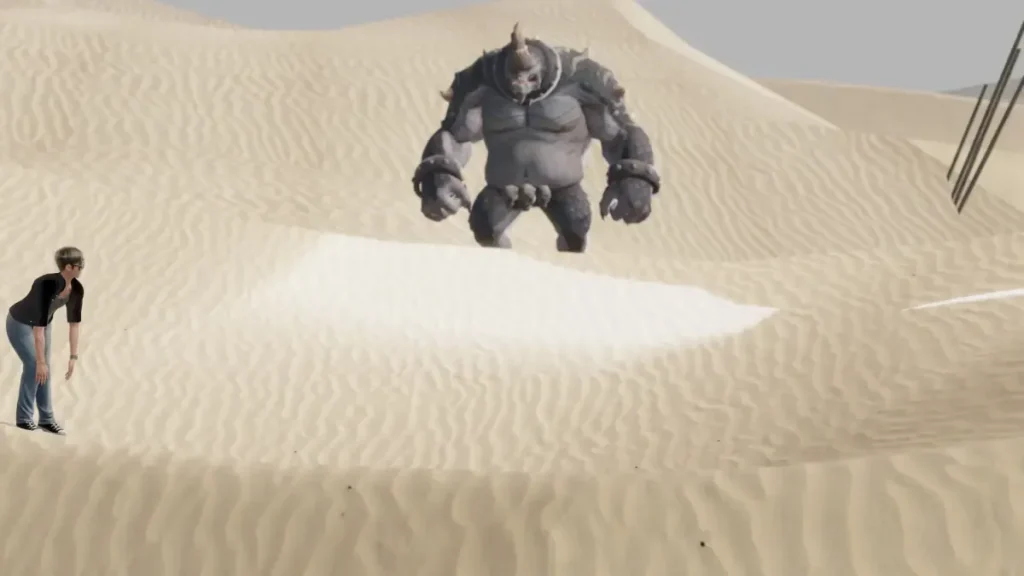
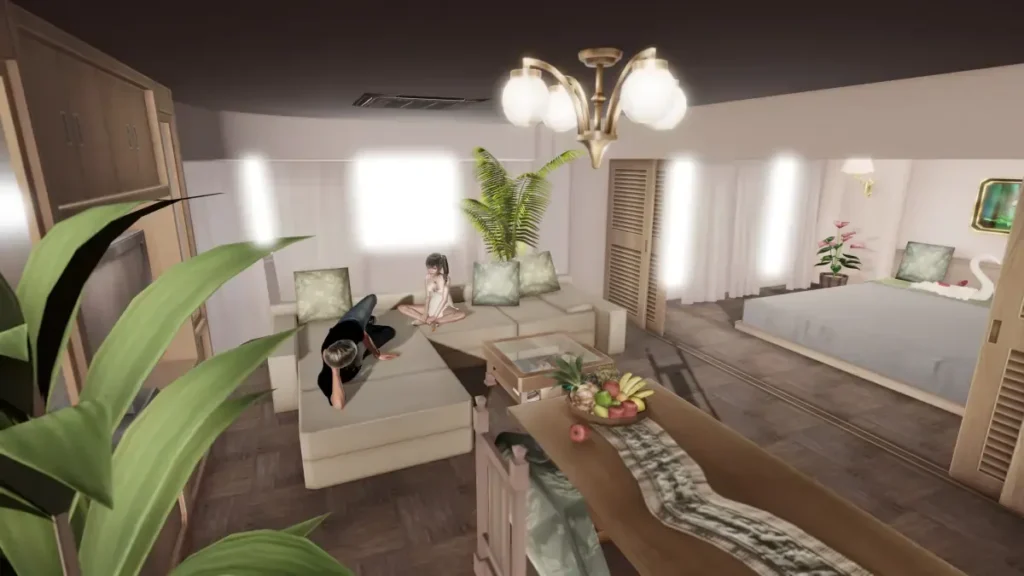
Tainted Heritage – a.k.a Weird Shit Is Going to Happen review
Explore the unconventional narrative, character dynamics, and choice-based storytelling in this experimental visual novel
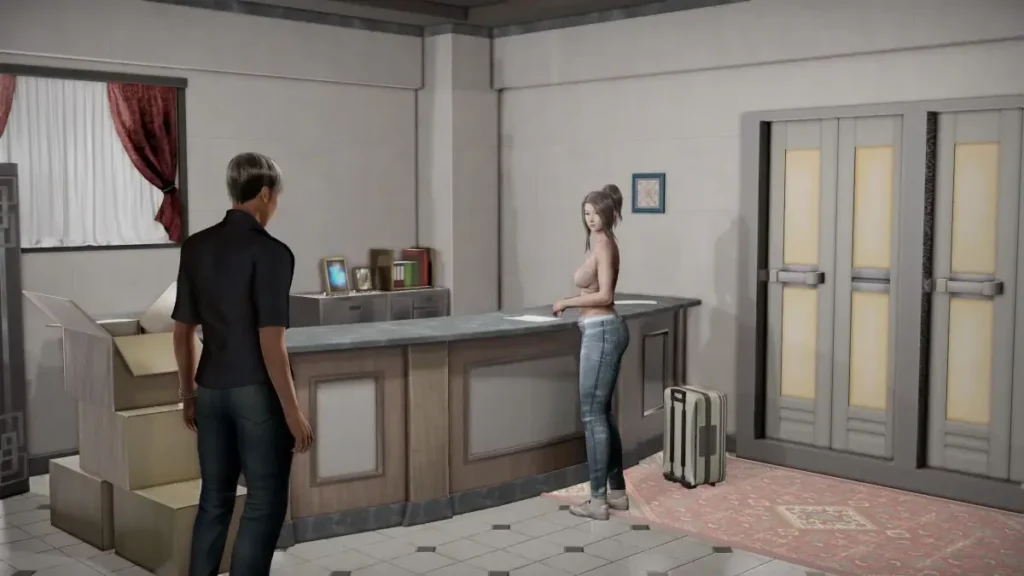
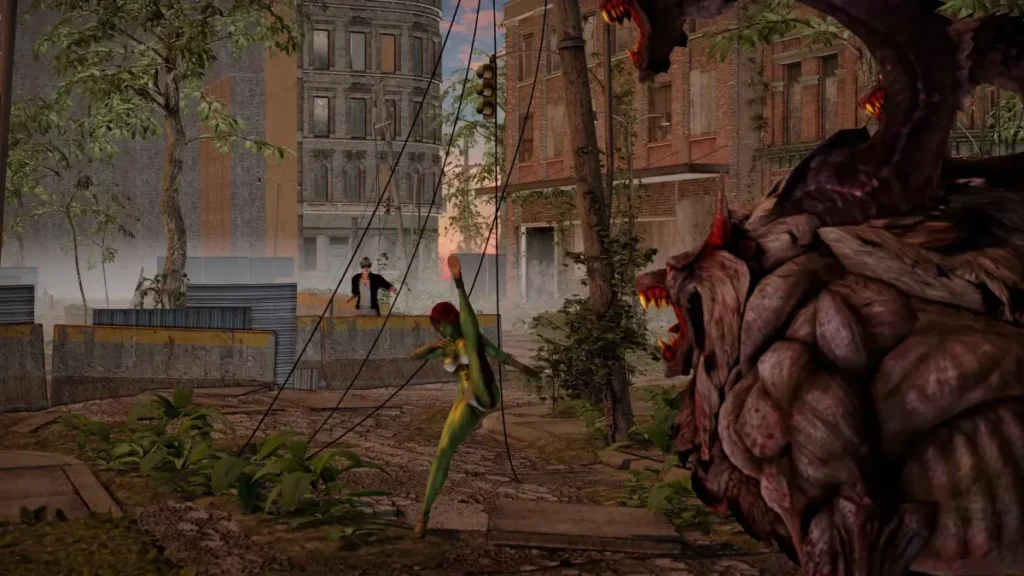
Tainted Heritage stands out as a distinctive visual novel that challenges conventional gaming narratives through its experimental design philosophy and unconventional approach to storytelling. Following a protagonist who inherits a mysterious hotel from his grandfather and becomes entangled in bizarre interdimensional events, this game delivers an immersive experience filled with unexpected twists and complex character dynamics. Unlike traditional visual novels with linear progression, Tainted Heritage emphasizes player agency through choice-based mechanics that create ripple effects throughout the narrative. Whether you’re drawn to experimental narratives, meaningful character interactions, or indie gaming creativity, understanding the core features and gameplay elements helps determine if this title aligns with your gaming preferences.
Understanding Tainted Heritage: Core Gameplay Mechanics and Story Foundation
So, you’ve heard the buzz about a game where your uncle leaves you a hotel and things get… well, weird. You’re curious, but maybe a little unsure about what you’re getting into. Is it just another visual novel where you click through text and pick the obvious “nice” option every few scenes? 🤔
Let me tell you, Tainted Heritage – or as it’s fondly known by its players, Weird Shit Is Going to Happen – is a different beast entirely. I remember my first playthrough. I made a seemingly trivial choice in the first hour—something as simple as how I greeted the nervous interim manager. I forgot all about it, lost in the mystery of the crumbling hotel. Then, three chapters later, that casual hello came back to haunt me in a way that completely rerouted the story. My jaw literally dropped. That’s the moment I knew this wasn’t a game I was just playing; it was a story I was genuinely, irreversibly breaking and rebuilding with every decision.
This chapter is your foundation. We’re going to strip away the confusion and dive deep into the core Tainted Heritage gameplay mechanics that make this experimental title so groundbreaking. Forget what you know about linear stories; here, your perspective is the most important tool you have.
### What Makes Tainted Heritage Different From Traditional Visual Novels
At first glance, the setup might feel familiar: you inherit a place, meet a cast of characters, and uncover secrets. But the moment you make your first meaningful choice, the entire framework shifts. Traditional visual novels often operate on a “path” system. You make choices that lead you down Branch A, B, or C, like following a recipe to a predetermined cake.
Tainted Heritage throws the recipe book out the window. Its unconventional narrative game design is built on a philosophy of simulation and cascading cause-and-effect. Instead of paths, you have a living, breathing (and sometimes creepy) ecosystem of characters and a location that remembers everything.
Think of it this way: in many games, choices are like big, labeled buttons. “Be Kind,” “Be Stern,” “Romance Character.” In Tainted Heritage, choices are more like throwing a stone into a dark, complex pond. You see the initial splash, but the ripples travel out in unseen directions, bouncing off unseen objects (other characters’ feelings, past events, the state of the hotel itself) and eventually returning to you in unexpected forms. This creates a profound sense of player agency in a visual novel that is rarely matched.
To visualize this stark contrast, let’s break it down:
| Aspect | Traditional Visual Novel | Tainted Heritage (Weird Shit Is Going to Happen) |
|---|---|---|
| Narrative Structure | Branching paths leading to a set number of defined endings (e.g., 3-5 main endings). | A dynamic, reactive narrative web where endings are emergent and personalized, shaped by hundreds of micro-interactions. |
| Player Choice Impact | Choices often gatekeep content, unlocking specific scenes or routes. The impact is usually immediate and clear. | Choices seed consequences that manifest chapters later via the Tainted Heritage consequence system. Impact is delayed, subtle, and often interconnected. |
| Relationship Systems | Individual character affection meters. Raising a meter with one character doesn’t typically affect others. | A dynamic relationship web mechanics system. Your actions affect how characters feel about you AND each other, creating alliances, jealousies, and conflicts organically. |
| Ending Variations | Finite endings (Good, Bad, True End for each character). | Virtually limitless narrative variations. Two “Hotel Manager” endings can feel completely different based on the journey, relationships, and secrets uncovered. |
This table isn’t about saying one style is better, but to highlight that Tainted Heritage is playing a completely different game. It’s less about finding the “correct” dialogue option and more about understanding that every word and action becomes a permanent part of your story’s DNA. 🧬
### The Hotel Inheritance: Starting Your Journey in the Game
Your journey begins not with a bang, but with a legal document and a profound sense of dislocation. You’ve inherited the “Obsidian Vista,” a hotel shrouded in your family’s mysterious past and clinging to the edge of oblivion. This isn’t a glamorous resort; it’s a character in its own right—a labyrinth of faded grandeur, locked rooms, and whispering corridors.
This inheritance is your anchor, your burden, and your sandbox. The hotel serves as the central hub for all Tainted Heritage gameplay mechanics. From here, you will:
* Manage: Interact with the skeleton crew—the anxious, by-the-book interim manager and the observant, weary maid. Your decisions here directly affect the hotel’s operation, mood, and even its physical state.
* Explore: Uncover the hotel’s secrets through pure exploration. This is where environmental storytelling in games shines. A freshly repaired window, a new stain on the carpet, a photograph that appears on a desk you’d sworn was empty—the space itself tells a story based on your choices and the passage of time.
* Investigate: The “weird shit” in the title doesn’t announce itself with jump scares. It seeps in. Strange noises at night, misplaced objects, and increasingly bizarre occurrences reported by the staff (or experienced by you) form the core mystery. Your role is part detective, part therapist, part catalyst.
The genius of this setup is that it naturally funnels all gameplay systems through one location. Every relationship you build or break happens within these walls. Every consequence from the Tainted Heritage consequence system is reflected in the environment or the people in it. The hotel is the stage, and your choices are the script, the lighting, and the director’s notes, all in one.
### Choice-Based Storytelling and Consequence Systems
This is the heart of the experience—the engine that makes the “weird shit” not just happen, but feel earned and personal. Let’s dissect how this revolutionary approach to choice-based visual novel storytelling actually works.
1. The Illusion of Trivia and the Weight of Everything
Early on, you’ll face decisions that feel inconsequential. Do you drink the tea the maid offers, or do you ask for coffee? Do you side with the manager on a petty staffing issue, or humor the maid’s superstition? In a traditional game, these might be flavor text. Here, they are data points.
The game tracks your personality, your biases, and your treatment of others. That refused cup of tea isn’t just a beverage choice; it’s a signal of distrust or discomfort, which the maid notes. It subtly alters her future interactions with you and maybe even what she’s willing to share. This granular tracking is what builds truly unique narratives.
2. The Consequence Timeline: A Story with Memory
The most talked-about Tainted Heritage gameplay mechanics feature is its consequence timeline. Major decisions are not forgotten. The game marks them and schedules their repercussions for later. It’s like planting a narrative time bomb.
Personal Insight: In one playthrough, I intervened in a sharp argument between two staff members early on. I thought I’d defused it. Four in-game days later, that same intervention was cited as the reason a crucial piece of evidence went “missing”—one party was so grateful for my support they hid something to “protect” me from the other. The game had simulated lingering resentment and secret loyalty based on my actions, creating a plot twist that was unique to my story.
This system means you can’t play with a walkthrough. You can’t reload a save from five hours ago to fix a “mistake” because you often won’t know what the mistake was until much later. It forces you to live with your decisions, mirroring real life in a way that’s incredibly compelling (and sometimes anxiety-inducing!). 😅
3. The Living Relationship Web
Forget simple romance meters. Tainted Heritage implements a sophisticated relationship web mechanics system. Characters have opinions of you, but also of each other, and these are fluid.
- If you constantly praise the manager’s efficiency in front of the maid, she might grow jealous or feel her own work is undervalued.
- If you share a secret told to you by one character with another, you might gain trust with the second while irrevocably breaking it with the first.
- Characters will talk to each other about you when you’re not there, comparing notes and forming alliances or oppositions based on their collective experiences.
This web means you’re not just managing bilateral relationships; you’re managing a social ecosystem. Your goal is rarely to “max out” affection but to navigate a constantly shifting landscape of loyalties and conflicts. This is player agency in a visual novel at its most complex and rewarding.
4. The World Reacts: Environmental Storytelling
Environmental storytelling in games is often static—you find notes and see set pieces that tell a backstory. In Tainted Heritage, it’s reactive. The Tainted Heritage consequence system extends to the hotel itself.
- Be dismissive of a reported leak? You might later find a room has become moldy and unusable, changing which areas you can explore.
- Show kindness to a character? They might leave a small gift in your office, or a repaired fixture might appear in a common area.
- Pursue a certain mystery aggressively? The very atmosphere of the hotel might shift, with different soundscapes or visual filters hinting at your growing connection to its hidden truths.
The environment becomes a visual and auditory log of your journey, making each playthrough’s “Obsidian Vista” feel personally crafted.
5. There Is No “True Ending,” Only Your Ending
This is the ultimate expression of its unconventional narrative game design. The game refuses to label an ending as “True” or “Best.” It recognizes that based on your choices, your perspective, and the relationships you forged, your conclusion is the valid one for that story.
Did you become a benevolent manager who solved the core mystery? A ruthless owner who exploited the weirdness for power? A terrified witness who simply fled? The game treats all these outcomes with narrative seriousness. It validates the idea that in a story driven by deep player agency, the author’s intended ending is irrelevant; the player’s lived experience is the point.
By weaving together these interconnected systems—the consequential choices, the dynamic relationship web, and the reactive environment—Tainted Heritage delivers on its promise. It creates a deeply personal, often unsettling, and always memorable experience where the “weird shit” that happens feels uniquely, undeniably your fault, and your story. ✨
### FAQ: Your Tainted Heritage Gameplay Questions Answered
Q: How does the consequence timeline work? Can I ever see what’s coming?
A: The timeline operates in the background. Major choices are logged, and their narrative “payoff” is scheduled for a future chapter or story beat. You cannot see this timeline directly—part of the magic (and tension) is the surprise. The game might hint that a decision “will have consequences,” but the nature and timing of those consequences remain hidden until they unfold organically in the story.
Q: How many playthroughs are needed to see “everything”?
A: Given the combinatorial nature of the relationship web mechanics and the Tainted Heritage consequence system, seeing literally every possible scene and variation is arguably impossible. This is by design. Most players find that 2-3 playthroughs, making radically different choices, reveal entirely new story arcs, character motivations, and even hidden areas of the hotel, making each run feel like a distinct narrative.
Q: Can I undo choices or is autosave locking me in?
A: The game uses a stringent autosave system to reinforce the weight of choice. While you can save manually, the design philosophy encourages commitment. You cannot rewind time to undo a decision from several chapters prior without restarting or loading a very old save. This might sound punishing, but it’s central to the experience—it makes your decisions feel permanent and meaningful, fueling the game’s unique tension and replayability.
Tainted Heritage represents a bold departure from conventional visual novel design, offering players a genuinely unique gaming experience through its experimental narrative approach and meaningful choice systems. The game’s strength lies in its ability to create personalized stories where player perspective and decisions fundamentally shape the meaning of events, rather than simply leading toward predetermined outcomes. From the complex relationship web that tracks how characters feel about each other to the consequence timeline that reveals the true impact of earlier choices, every mechanic reinforces the theme of player agency. The hotel inheritance premise provides an engaging framework for the bizarre interdimensional events and character interactions that unfold throughout the narrative. For players seeking something beyond mainstream visual novel tropes—those who appreciate intricate storytelling, meaningful character dynamics, and the freedom to shape their own narrative—Tainted Heritage delivers an engaging and thought-provoking experience that celebrates the unexpected and embraces creative game design.