
Taboo University
Play Taboo University
Taboo University Screenshots

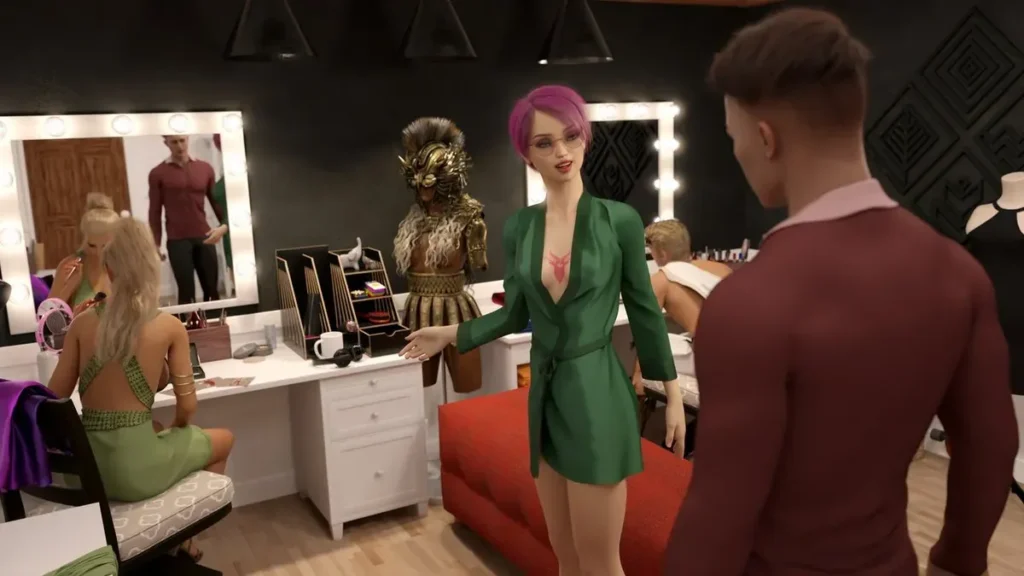



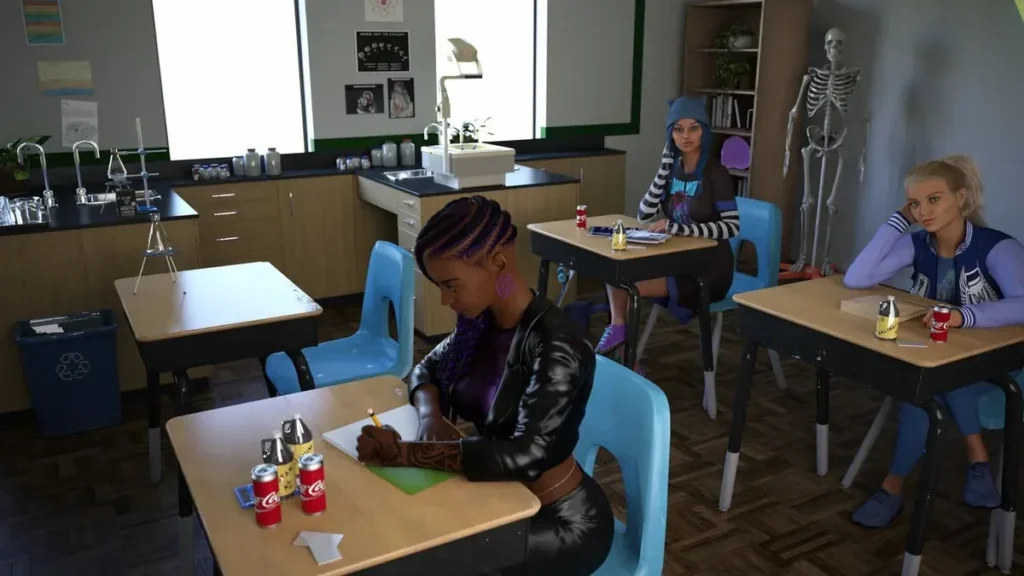



Taboo University review
Explore the mechanics, features, and player experience of this interactive visual novel
Taboo University is an interactive visual novel that has gained attention in the gaming community for its narrative-driven approach and choice-based gameplay mechanics. This guide provides an in-depth look at what makes this game unique, how it functions, and what players can expect from the experience. Whether you’re curious about the storyline, gameplay features, or character interactions, this comprehensive overview covers everything you need to know about navigating this complex interactive experience.
Understanding Taboo University: Game Overview and Core Mechanics
Ever been in a social situation where you said the wrong thing and immediately wished you could hit rewind? 😅 Welcome to university life, but with a magical undo button. That’s the initial, thrilling promise of Taboo University. This isn’t your standard run-from-class-to-class simulator; it’s a deep, choice-driven experience where every word you select and every relationship you nurture directly scripts your unique campus legend.
If you’re new to this genre or even a seasoned visual novel veteran, this guide will walk you through everything you need to know. We’ll break down the Taboo University game mechanics, explore its rich visual novel gameplay, and show you exactly how to play Taboo University to get the most out of your story. Let’s get started!
What Is Taboo University and How Does It Work?
At its heart, Taboo University is an interactive narrative set in the vibrant, unpredictable, and sometimes scandalous world of higher education. You step into the shoes of a new student, ready to navigate lectures, friendships, rivalries, and romantic possibilities. The “taboo” element comes into play as the story explores themes, relationships, and scenarios that push beyond typical boundaries, offering a more mature and compelling narrative landscape.
The game functions on a simple yet profound principle: your choices are the controller. Instead of jumping or shooting, you progress by reading beautifully rendered scenes, listening to voice-acted dialogue (in many versions), and making decisions at critical moments. The core Taboo University game mechanics revolve around these decisions. They determine which characters trust you, which paths open up, and ultimately, which ending you will unlock.
You can find the game primarily on Taboo University Steam, where it enjoys a strong community of players sharing their different story outcomes. The setup is intuitive: you’ll use your mouse or keyboard to navigate menus, save your progress, and, most importantly, select your dialogue options. The game auto-saves at key points, but I’ve learned the hard way—always make a manual save before a big decision! You might think you want to tell the star athlete exactly what you think of their ego, but the story consequences can be… unexpectedly permanent. 🏈💥
The structure is scene-based. You’ll move from your dorm room to a tense classroom, to a lively party, with each location offering new interactions and potential plot twists. Your role is to guide your character’s personality and morality through these scenarios, shaping who they become by graduation day.
Visual Novel Format and Interactive Storytelling
If you’ve never tried a visual novel, think of it as a “choose your own adventure” book come to life with stunning artwork, music, and sound. The visual novel gameplay in Taboo University is classic to the genre but executed with a sharp focus on player immersion. The screen is typically divided into a beautifully drawn background, character sprites (the visual representations of characters who appear and disappear as they enter/exit scenes), a text box with narration and dialogue, and your choice menu.
This format is the perfect vehicle for choice-based interactive storytelling. You’re not just watching a story about college life; you’re living it. The narration sets the scene and internal monologue, while the dialogue options let you express yourself. The magic lies in how these elements fuse. A single line of descriptive text can build incredible tension, making your next choice feel monumentally important.
My Tip: Don’t rush through the text! The atmosphere is built through the art and writing. Let the scene soak in. I once missed a crucial clue about a character’s motive because I was clicking too fast to get to the next choice. The beauty is in the details. ✨
Here are the key features that define this experience:
- Art-Driven Narrative: The character expressions and background shifts are subtle but powerful. A character’s smile fading can tell you more than a paragraph of text.
- Atmospheric Soundtrack: The music swells, fades, or changes completely based on the scene’s mood, directly cueing your emotional response.
- Pacing Control: You can often adjust text speed or enable auto-play, letting you customize how you experience the story.
- Character Profiles: As you meet characters, a profile menu typically fills with information, helping you track relationships and personal details—a lifesaver for complex social webs!
To make the core Taboo University game mechanics clearer, here’s a breakdown of what you interact with:
| Interface Element | Purpose & Player Action |
|---|---|
| Background & Character Sprites | Sets the scene. Observe changes in artwork for narrative cues. |
| Text/Dialogue Box | Presents story and conversation. Click to advance the text. |
| Choice Menu | The heart of visual novel gameplay. Selects your character’s response, driving the plot. |
| Menu/Log Button | Accesses saves, loads, settings, and often a history log to re-read past text. |
| Relationship Indicators | Often shown through icons or meters, reflecting how characters feel about you. |
This format makes the game incredibly accessible. The “gameplay” is reading and decision-making, making it more about emotional investment and strategic thinking than quick reflexes.
Choice-Based Gameplay and Branching Narratives
This is where Taboo University truly shines and earns its title as a premier branching narrative game. Every significant choice you make acts as a fork in the road. Some forks are small, altering a single line of dialogue later. Others are massive, closing off entire character arcs and opening new ones you didn’t know existed.
The visual novel story choices you face aren’t always between obvious “good” and “evil.” They’re often nuanced, reflecting different attitudes: be diplomatic or be blunt, study for the exam or go to the secret party, confront a friend about their secret or keep quiet to maintain peace. These dilemmas create a deeply personal story. My first playthrough was as a “people-pleaser,” and it led me into a web of contradictions where I couldn’t keep my promises. My second time, I played a more honest, direct character and unlocked a completely different romantic subplot I had no idea was there!
The branching narrative game structure means there is no single “correct” path. There are multiple endings—some good, some bad, some bittersweet—and a plethora of variations in between. This design encourages replayability. You’ll want to go back to key decision points (using those handy save files!) to see where the other path leads. It’s fascinating to see how a single different response in Chapter 2 can change an interaction in Chapter 6.
How to play Taboo University effectively, then, is to embrace role-playing. Decide who your character is at the start and try to make choices consistent with that personality. The game’s choice-based interactive storytelling mechanics reward this consistency, often deepening relationships with characters who align with your chosen persona.
Let’s look at a concrete example of how a seemingly simple choice can ripple outward:
| Scenario & Initial Choice | Immediate Consequence | Potential Long-Term Branch |
|---|---|---|
| Early in the game, a classmate asks to copy your homework. You can: Agree, Refuse Politely, or Refuse and Report Them. | Agree: You gain their immediate friendship (+ relationship points). Refuse Politely: They are annoyed (- relationship points). Report: They become a hostile rival. | Agree: They may later trust you with a bigger secret, unlocking their character route. Refuse Politely: They might later respect your integrity, offering help in a different way. Report: They could actively work against you in a student council plotline later, creating a major antagonist. |
This example shows the layers at play. The game is constantly tracking your decisions behind the scenes, weaving them into the narrative fabric. Relationships aren’t just about points; they’re about history. A character will remember if you stood up for them or betrayed them, and that memory shapes every future interaction.
The Taboo University game mechanics around choice are its core identity. They transform a linear story into your story. Whether you’re navigating the delicate politics of a campus club or deciding who to take to the formal, your agency feels real and impactful. This powerful sense of ownership over the narrative is what makes finding all the branches on Taboo University Steam so addictive. You’re not just playing a game; you’re exploring the vast, interconnected possibilities of a story world, one daring or cautious choice at a time. 🎭
So, dive in, be bold, save often, and remember—there are no wrong choices, only different stories waiting to be told. Your unique journey through Taboo University is the ultimate test of character, strategy, and curiosity.
Taboo University offers players a unique interactive experience through its visual novel format and choice-driven narrative system. Understanding the game’s core mechanics, how player decisions shape the story, and what to expect from the gameplay experience helps new players approach the game with clear expectations. The game’s strength lies in its branching storylines and character-focused narrative, where your choices genuinely impact relationships and outcomes. Whether you’re interested in exploring multiple story paths, experiencing different character interactions, or simply enjoying a narrative-driven gaming experience, Taboo University provides a complex interactive world worth exploring. Take time to experiment with different choices across multiple playthroughs to fully appreciate the depth of the game’s branching narratives and character development systems.