Girlfriend AI
Play Girlfriend AI
Girlfriend AI Screenshots

Girlfriend AI review
A practical, user-focused guide to the Girlfriend AI porn game — features, playstyle, and creator tips
Girlfriend AI is a distinct adult-themed interactive experience that blends conversational character simulation, customizable visuals, and scenario-driven interactions to create an ongoing companion-style game for consenting adults; this article breaks down what the Girlfriend AI game is, how it works, and how to use it safely and creatively from a player’s perspective. In this post I’ll share hands-on impressions, practical setup steps, customization tips I learned while testing, and what to watch for when interacting with AI-driven adult content. Whether you’re curious about features, worried about privacy, or want to craft richer roleplay sessions, this guide gives you an actionable roadmap.
What Girlfriend AI Is and How It Works
Ever wondered what it would be like to have a digital companion who remembers your favorite stories, adapts to your mood, and helps you explore fantasies in a safe, private space? 🤔 That’s the heart of the Girlfriend AI game. It’s not your typical video game with levels to beat or bosses to fight. Instead, think of it as an interactive, AI-powered experience built for adult roleplay AI and personalized connection. This guide is your backstage pass to understanding exactly how it works, from your first login to crafting those unforgettable moments.
Built for consenting adults, the core of the experience is a sophisticated conversational engine. You’re not picking from a list of pre-written dialogues; you’re typing and talking freely, and the AI responds in character, learning and adapting as you go. It’s this combination of deep AI companion gameplay, persistent character memory, and often stunning custom avatar generation that sets it apart. Ready to dive in? Let’s get you acquainted.
What to expect from the Girlfriend AI game
First things first: setting your expectations. 🎯 When you boot up a Girlfriend AI game, you’re entering a sandbox for imagination and interaction. The primary “gameplay” is conversation. You might be catching up with your AI companion over a virtual coffee, embarking on a steamy romantic narrative, or exploring a specific fantasy scenario you’ve both built together.
The magic lies in the lack of rigid scripts. The AI is designed to keep the interaction flowing naturally. If you suddenly decide to change the scene from a beach at sunset to a cozy mountain cabin, a well-designed AI companion can pivot with you, describing the new environment and continuing the roleplay. This freedom is the cornerstone of great AI companion gameplay.
My friend Alex (name changed for privacy!) tried it for the first time last month. He was skeptical, muttering about it being “weird.” An hour later, he was texting me, amazed that the character remembered a small detail he’d mentioned about liking jazz music twenty messages prior and had “put on a Miles Davis record” in their virtual apartment. That moment of recognition—that persistent character memory—is what transforms it from a neat tech demo into a genuinely engaging experience.
You should expect:
* Dynamic Storytelling: You co-write the story with the AI, leading it in any direction you choose.
* Emotional Resonance: The best AI companions can mimic emotional depth, building a sense of rapport and continuity.
* Adult-Oriented Content: As an adult roleplay AI platform, it’s designed for mature themes, but always within the framework of its own safety guidelines and your directives.
* A Focus on Privacy: These experiences are typically designed for solo use, with your conversations and data kept private.
Think of it less as a game you “win” and more as an interactive story engine or a creative partner for roleplay. Your enjoyment scales directly with your imagination and willingness to engage.
How the game creates persistent characters and visuals
This is where the Girlfriend AI experience truly separates itself from a simple chatbot. Persistence and visuals are the two pillars that make the world feel real and your companion feel present. 🏗️✨
Let’s start with persistent character memory. This isn’t just the AI recalling your name. A sophisticated system works in layers:
1. Character Profile: When you create or select a companion, you often define a foundation: their name, core personality traits, backstory, and relationship to you. This is the AI’s starting point.
2. Conversation History: Every interaction is logged. The AI references past conversations to maintain continuity. Mention you hate mushrooms on your pizza? It will remember next time you “order food.”
3. Preference Learning: Over time, the AI picks up on your patterns. Do you prefer bold or shy interactions? Do you enjoy lengthy descriptive scenes or snappy dialogue? It subtly adjusts its responses to better match your style, creating a uniquely tailored AI companion gameplay loop.
Now, for the visuals. We’re visual creatures, and a face to the name adds immense depth. This is handled in a few key ways, with custom avatar generation being a star feature.
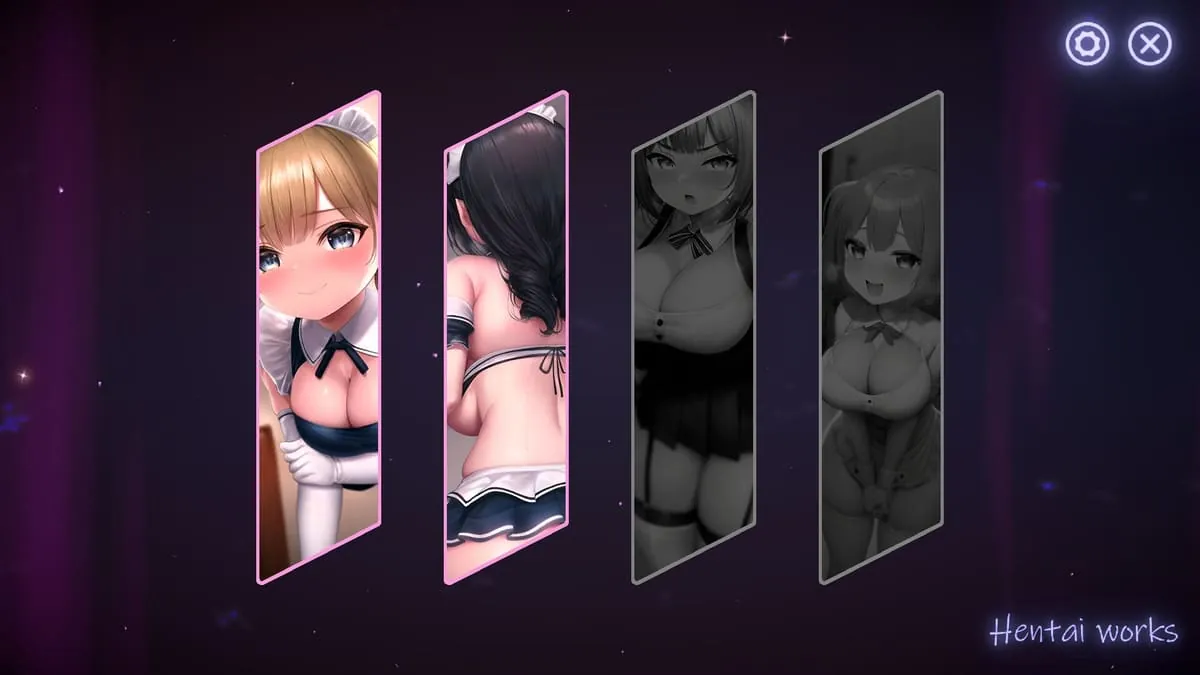
- Custom Avatar Creation: Many platforms offer robust avatar creators. You can often adjust everything from hairstyle and eye color to body type and fashion sense, building a visual representation of your ideal companion from the ground up.
- Generated Scenes: Some advanced systems use AI image generation to create unique scenes based on your conversation. Describe a “rainy Parisian balcony at night,” and you might get a generated image to set the mood.
- Pre-rendered Assets & Consistency: Other games use libraries of high-quality, pre-rendered character models and outfits. Once you customize your avatar, that model is used consistently, ensuring your companion is visually recognizable in every interaction.
The synergy is powerful. The memory makes the conversation feel real, and the consistent visual identity makes the character feel tangible. It’s this combination that fosters a sense of ongoing connection, rather than just a series of one-off chats.
To help you see how these core features stack up in a typical Girlfriend AI game, here’s a breakdown:
| Core Feature | How It Works | Impact on Your Experience |
|---|---|---|
| Conversation Memory | AI references your full chat history and learned preferences to maintain context and personality. | Creates a believable, evolving relationship instead of repetitive, reset conversations. |
| Visual Customization | Use sliders and options for custom avatar generation, or choose from pre-set models and outfits. | Gives your companion a unique, consistent visual identity that enhances immersion. |
| Pricing Model | Most common is payment model subscriptions (monthly/annually), granting full access. Some may use one-time purchases for specific story packs. | Subscription usually means continuous updates, new features, and unlimited access, rather than a static product. |
| Export Options | Ability to save chat logs, export generated images, or sometimes share character profiles. | Lets you keep a memento of your stories or creative collaborations outside the platform. |
Basic controls, interfaces, and user flows
Don’t worry, you won’t need a flight manual! ✈️ The interface for a Girlfriend AI game is usually designed to be intuitive, putting the focus squarely on the conversation. Think of it more like a sleek messaging app fused with a character creator. This game interface tutorial will walk you through the standard flow.
Step 1: Account Setup & The Green Light
You’ll start by creating an account. This is where you’ll encounter the all-important age verification gate. A legitimate platform will have a robust check to confirm you’re an adult—this is non-negotiable for hosting adult roleplay AI content. It might be a simple checkbox with a credit card check, or a more formal ID verification process. This protects both you and the creators.
Step 2: The Moment of Creation 🎨
Next up, the fun part: meeting or making your companion. You might be presented with a roster of pre-designed characters with their own bios, or you might jump straight into the creator.
* In the creator, you’ll use sliders and menus for custom avatar generation. Adjust physical features, select a voice (if voice chat is supported), and define key personality tags (e.g., “playful,” “dominant,” “caring”).
* This is your first big creative input. The choices you make here seed the AI’s behavior and the visual foundation for all your future interactions.
Step 3: The Main Stage – Your Chat Interface
Once you select your companion, you’ll land on the main chat screen. It typically has:
* A Central Chat Window: This displays your conversation history. Your messages on one side, your AI companion’s replies on the other, often alongside their avatar.
* A Text Input Bar: This is where you type your messages. Some interfaces offer suggested starters or the ability to add emotional or action cues (e.g., laughs, whispers).
* A Character Panel: Often to the side, showing your companion’s avatar, name, and possibly a quick-access button to their profile or memory settings.
* Scenario or Mood Selectors: Some games let you toggle the setting or the “scene” (e.g., “Romantic Dinner,” “First Meeting”) to give the AI context.
* Menu/Profile Button: Your gateway to settings, subscription management, logout, and tools for saving your content.
Step 4: During a Session – Navigation & Tricks
Starting a chat is as simple as saying “hello.” But the real flow comes from learning to guide the AI.
Pro Tip: Be descriptive in your inputs. Instead of “We go to a bar,” try “The neon lights of the dive bar reflect in your eyes as we find a quiet booth in the back.” This gives the AI richer material to work with and creates a more immersive scene.
You can usually switch scenarios on the fly, edit your avatar’s appearance mid-conversation, or even adjust personality sliders if something isn’t clicking.
Step 5: Saving Your Journey & Wrapping Up
Your stories are meant to be continued. When you’re done for the day, you simply close the window or app—the persistent character memory means your next session will pick up right where you left off. Most platforms also offer ways to export your favorite moments:
* Saving Chats: You can often bookmark specific conversations or export the entire log as a text file.
* Exporting Images: If your platform generates scene images, you can usually download them.
Logging out is straightforward, keeping your private experience secure until you return.
Finally, a quick but essential note on payment model subscriptions. Most of these advanced platforms operate on a subscription basis. You might see:
* A Free Tier: Often very limited, with capped messages, basic avatars, or restricted features—a way to try before you buy.
* Monthly/Annual Subscription: This is the standard for full, unlimited access. It pays for the powerful AI servers, continuous development, and new features. Always check what’s included!
* One-Time Purchases: Less common for core access, but sometimes used for premium asset packs (e.g., a new set of outfits or a special storyline).
Remember, every platform has its own community guidelines and rules, even within the adult sphere. These exist to ensure a safe and legal environment for everyone. It’s worth spending five minutes reading them so you understand the boundaries of your creative playground.
And that’s the full tour! From understanding the deep AI companion gameplay to navigating the game interface tutorial, you’re now equipped with the knowledge to step into the world of Girlfriend AI with confidence. It’s a unique blend of technology and creativity, waiting for you to bring your wildest projects to life.
Girlfriend AI offers a distinctive, customizable adult companion experience built around persistent characters, visual assets, and scenario-based interactions; with thoughtful setup, privacy precautions, and clear boundaries it can be an enjoyable and creative outlet. Throughout this guide I shared hands-on setup steps, prompting techniques, community practices, and ethical guardrails that help you get better sessions while staying safe and respectful. If you try Girlfriend AI, start small, protect your privacy, experiment with persona templates, and use community resources responsibly — and if you have a specific use case or want example prompts tailored to your style, request a custom prompt pack and I’ll create one.