Play Between Two Worlds
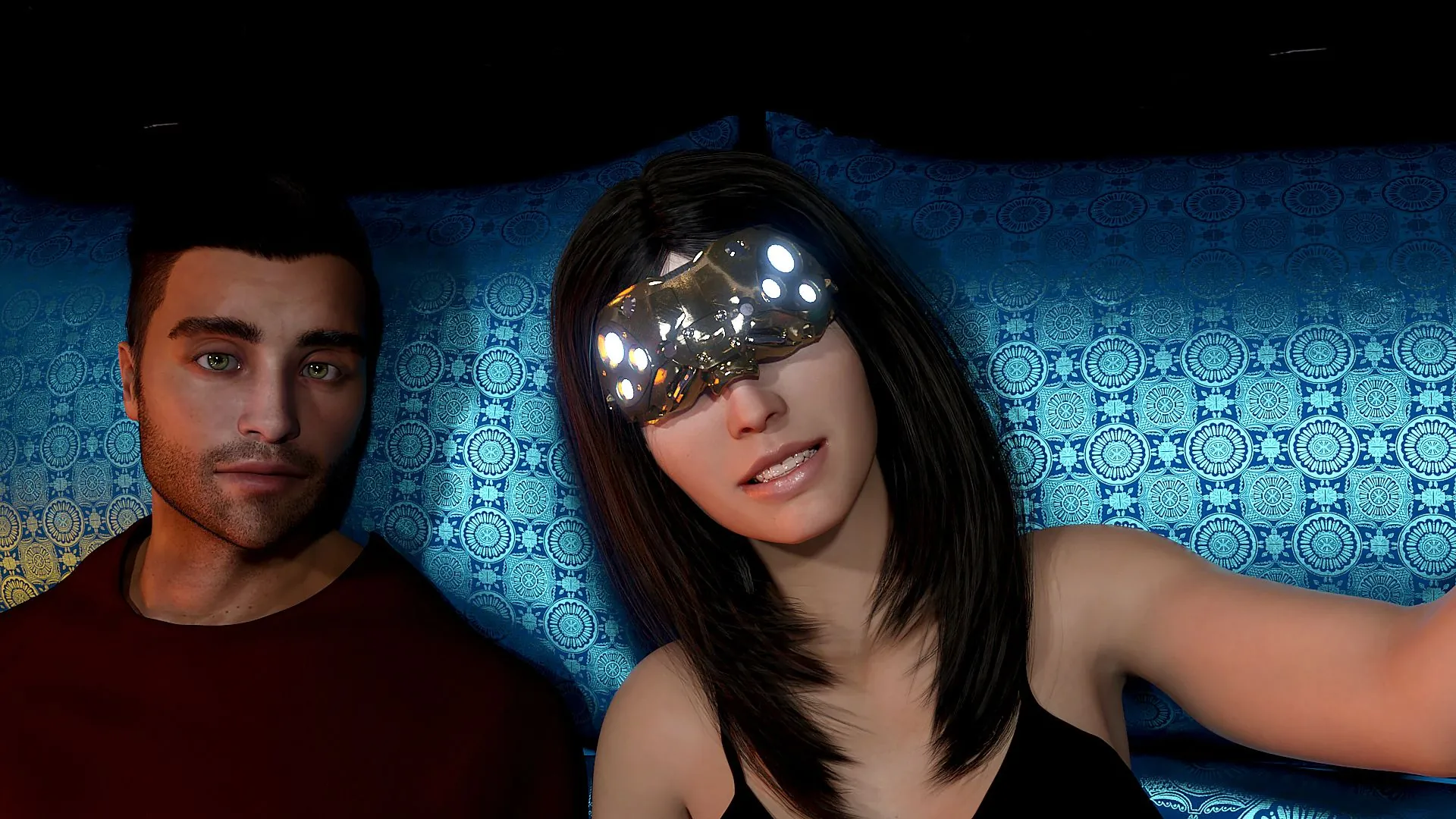
Between Two Worlds Screenshots
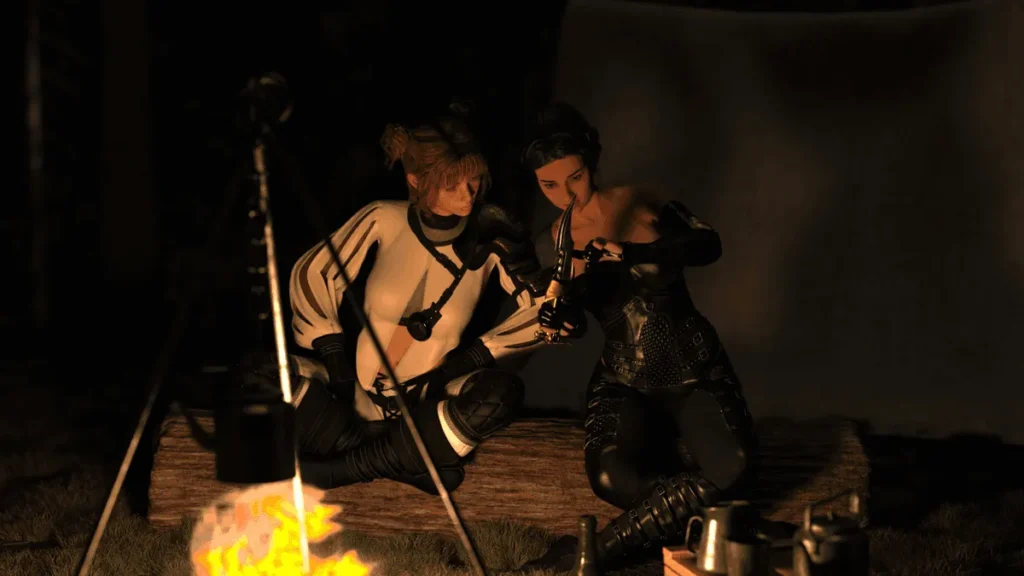
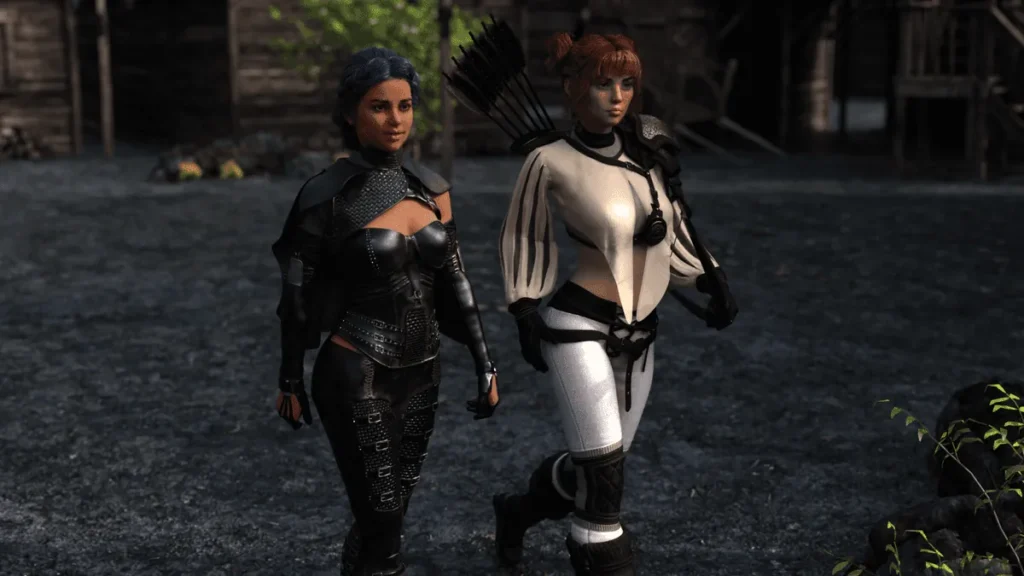
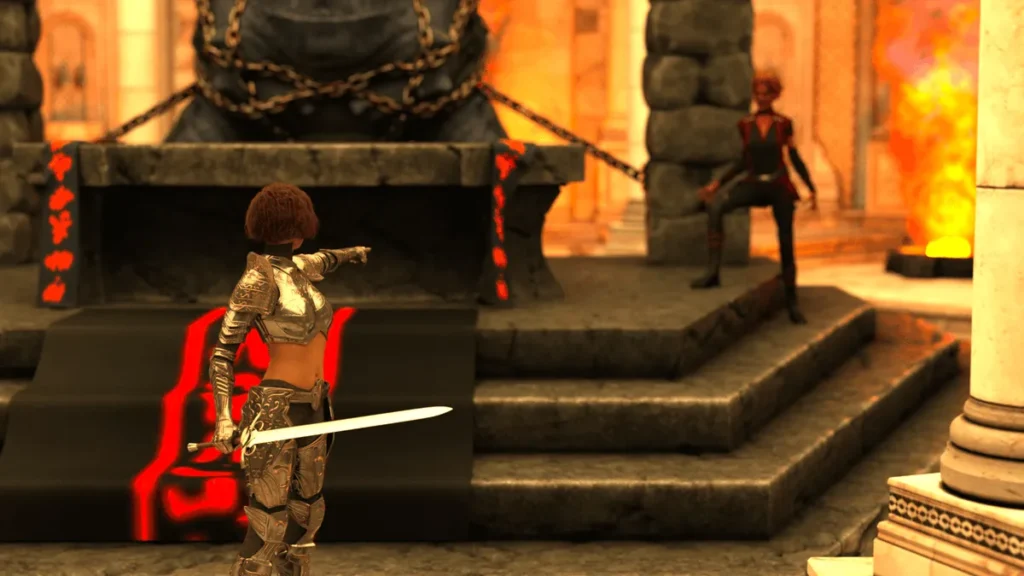



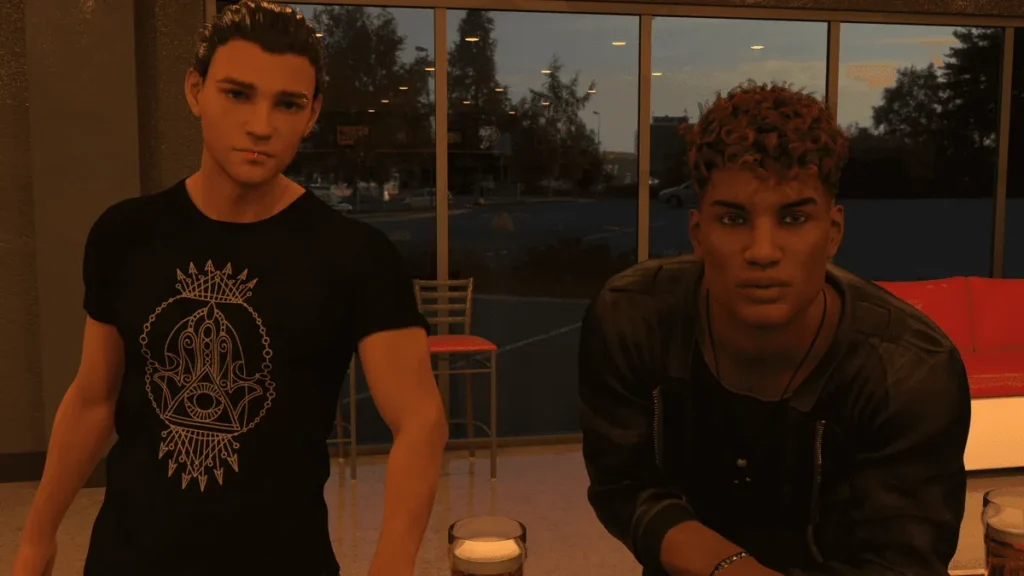
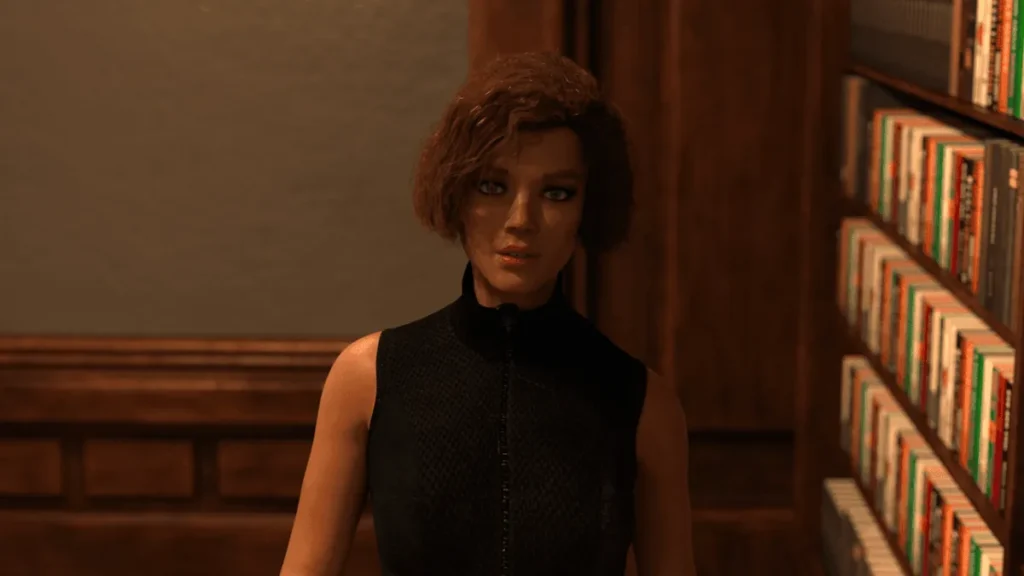
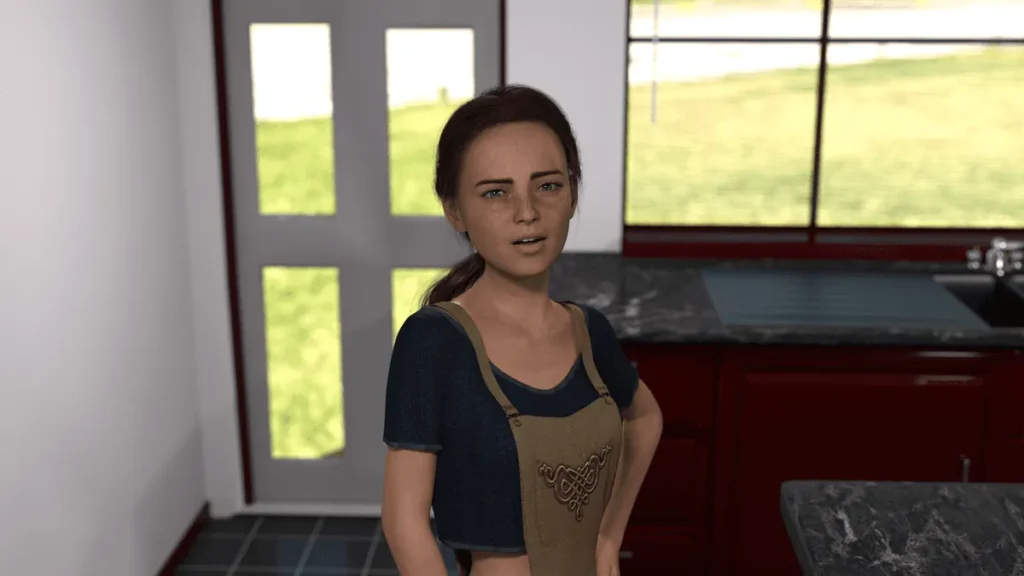
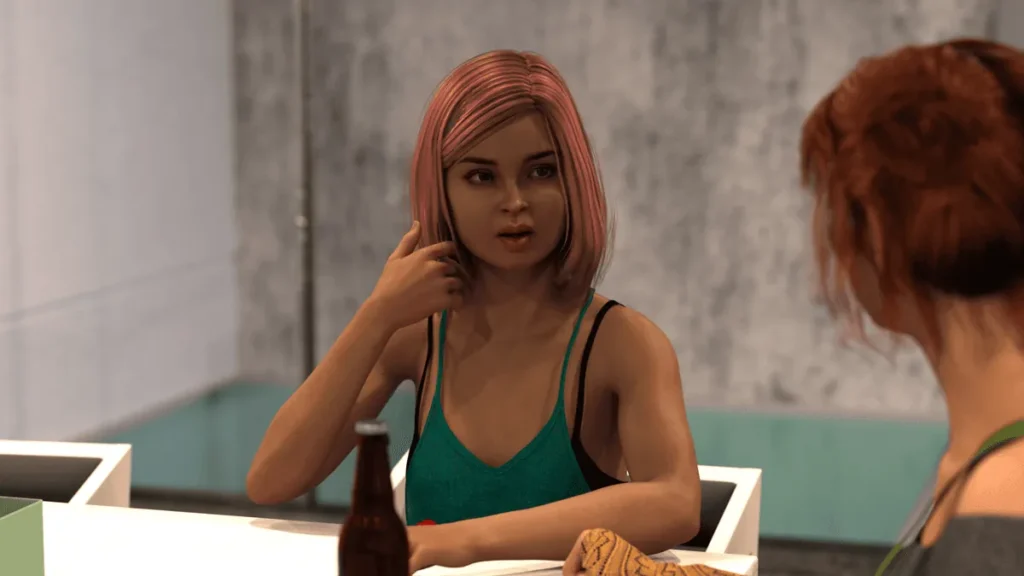
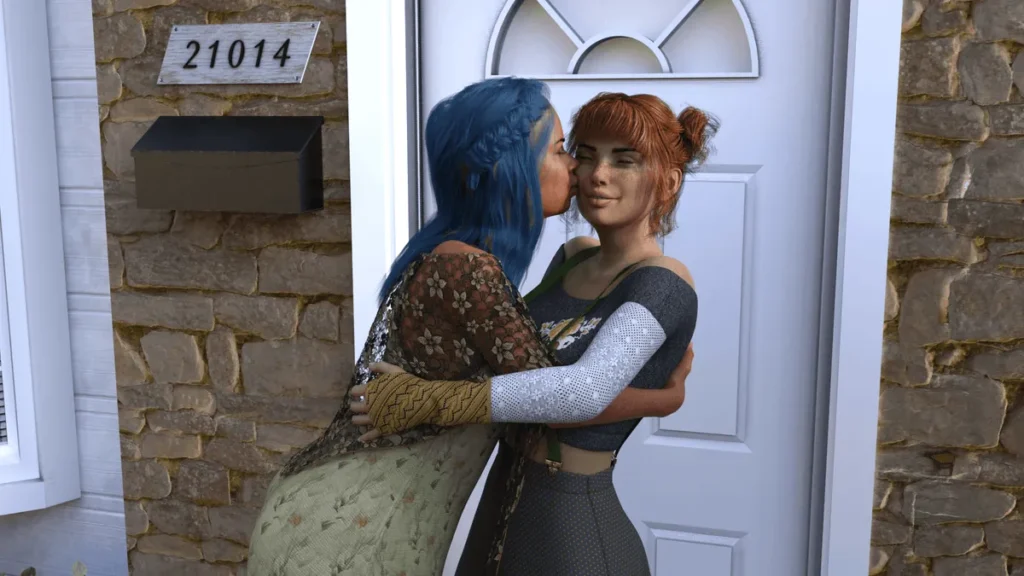

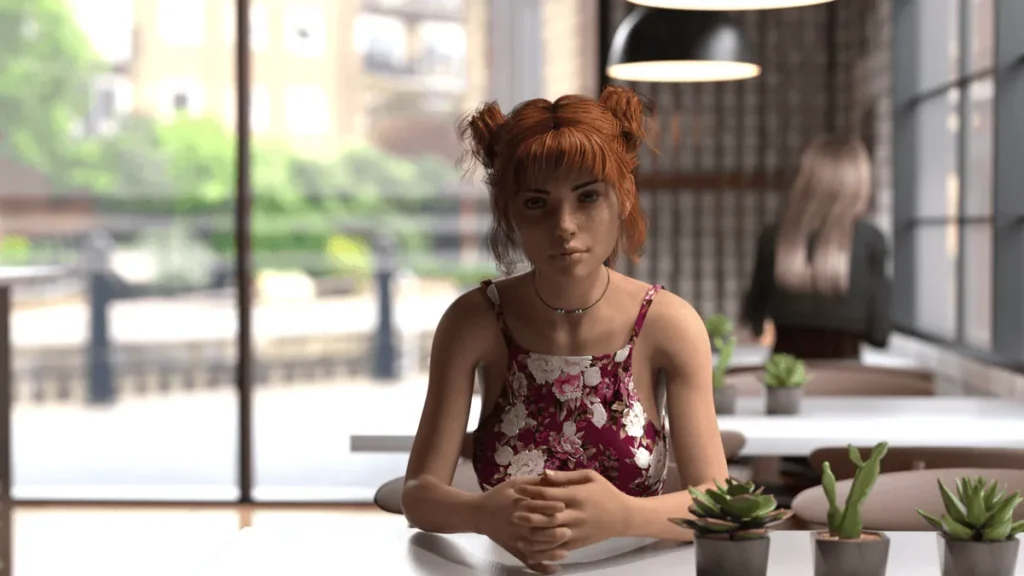
Between Two Worlds review
A Complete Guide to the Reality-Bending Adult Adventure
Between Two Worlds stands out as a narrative-driven experience that blurs the line between reality and fantasy. This game invites players into a compelling story where ordinary life collides with an immersive fantasy realm, creating a unique dual-reality premise that shapes every decision you make. Whether you’re drawn to story-heavy adventures, meaningful player choices, or character-driven narratives, this guide explores what makes Between Two Worlds a memorable experience. From its intricate plot to its emphasis on player agency, discover how this game delivers depth and engagement through its innovative approach to interactive storytelling.
The Dual-Reality Premise: Balancing Two Worlds
Have you ever felt like you’re living two separate lives? 🫠 Maybe you’re a competent professional by day and a passionate artist by night, and never the twain shall meet. Between Two Worlds takes that feeling, injects it with a potent dose of magic and mystery, and builds an entire, breathtaking adventure around it. This isn’t just a game with two settings; it’s a deep, psychological exploration of what happens when the walls between our everyday existence and our wildest fantasies completely shatter. The Between Two Worlds game premise is the star here, and it’s what sets this experience apart in the crowded adventure genre.
You start as a seemingly ordinary person, navigating the mundane challenges of modern life—work stress, paying rent, maintaining relationships. But everything changes when you discover a mysterious artifact or encounter a strange event that acts as a gateway. Suddenly, you’re not just imagining a fantasy world; you’re literally stepping into it. One moment you’re in your apartment, the next you’re in a lush, arcane forest or a sprawling, ancient city. The genius of the Between Two Worlds narrative structure is that it doesn’t let you abandon one life for the other. You must learn to balance them, and that balancing act is where the true drama—and the groundbreaking dual reality gameplay mechanics—unfolds.
How Reality and Fantasy Collide in Between Two Worlds
The collision isn’t a one-time event; it’s a slow, persistent, and often beautiful erosion. 🌀 At first, the shifts might feel controlled. You choose to “log in” to the fantasy realm, have an adventure, and then return to your normal life, perhaps with just a strange dream or a lingering feeling. But as your connection to the fantasy world deepens, the barrier becomes porous. Elements start to bleed through.
I remember a moment in my own playthrough where I spent an in-game evening in the fantasy world learning a complex arcane sigil to purify a corrupted well. The next “day,” back in the real world, I found myself absent-mindedly doodling that exact, glowing sigil during a boring work meeting. My character’s subconscious was bringing the magic across. This is the core of the fantasy and reality collision—it’s not just about geography, but about identity, memory, and skill. Knowledge gained in one world can manifest as intuition in the other. A confidence earned by facing down a dragon might give you the courage to ask for a promotion. Conversely, a failure in your real-world life can manifest as a literal storm cloud that follows your character in the fantasy realm.
The game’s mechanics physically represent this. Your inventory isn’t always separate. A rare herb picked in the Glimmerwood might appear in your real-world jacket pocket. A modern smartphone might inexplicably have a charge and a weak signal in a medieval castle, allowing for hilarious or poignant moments of cultural clash. The worlds are on a collision course, and you are the point of impact. This creates a constant, thrilling tension. Is that strange noise in your apartment plumbing, or the growl of a creature that followed you back? Is your new, otherworldly friend’s advice trustworthy, or is it leading your real life into danger?
The Interconnected Consequences of Your Choices
This is where Between Two Worlds moves from a great concept to a masterpiece of interactive storytelling. Every choice has weight, precisely because it echoes. The game’s central mechanic is a cause-and-effect engine that operates on a cross-dimensional scale. The player choices impact story in both realms simultaneously, creating a web of interconnected world consequences that is uniquely complex.
Forget simple morality meters. Here, the consequences are logistical, emotional, and often unpredictable. It’s a system that truly makes you think on a meta-level. Let’s walk through a concrete example.
Real-World Scenario: You have a crucial job interview tomorrow morning—it’s your chance to escape a dead-end job and finally pursue your passion. Meanwhile, in the fantasy realm, a village elder begs for your help to find their missing child before nightfall, hinting that dark forces are at work.
You decide the child is more urgent. You spend the night in the fantasy world on a tense rescue mission. You succeed! 🎉 The village celebrates you as a hero. However, you return to reality exhausted and oversleep, missing your interview. Your real-world boss is furious, and the opportunity vanishes.
But the consequences don’t stop there. Because you’re now a celebrated hero in the fantasy village, the elder offers you a small plot of land—a home. This sense of stability and belonging subconsciously affects your real-world character. Instead of feeling defeated about the job, you feel a new, defiant confidence. This might unlock a dialogue option with your landlord to negotiate your rent, or give you the clarity to start a freelance business you’d only dreamed of. Your choices impact not just plot flags, but your character’s core personality and available paths forward.
The game tracks these ripple effects with stunning detail. To illustrate the types of cross-dimensional consequences you might face, consider this breakdown:
| Choice in Fantasy World | Direct Fantasy Consequence | Ripple Effect in Reality |
|---|---|---|
| Spend resources to heal a wounded soldier. | Gain a loyal ally in the king’s army. | You feel more empathetic, unlocking a new approach to mend a strained family relationship. |
| Steal a powerful artifact from a temple. | Gain a powerful weapon, but are marked as a thief by the temple guardians. | A mysterious “bad luck” seems to follow you—lost keys, missed buses, small appliances breaking. |
| Choose to study ancient magic over sword training. | You solve puzzles with intellect, but are weaker in direct combat. | Your problem-solving at work becomes more creative, impressing your boss and leading to a new project. |
This system means there are no “right” answers, only choices that define the unique blend of your two lives. It forces you to consider what you truly value. Is it power? Connection? Stability? Security? The dual reality gameplay mechanics ensure you live with the full, messy outcome of your priorities.
Character Development Across Both Realms
In most games, character development is linear. In Between Two Worlds, it’s dimensional. Your relationships are the most powerful manifestation of the game’s premise. Character relationships across worlds are not separate threads; they are a single, intertwined cord. How you behave in one realm fundamentally alters how characters perceive and interact with you in the other, sometimes in ways they don’t even consciously understand.
Take a potential romantic partner, for example. You might meet Elara first in the real world as a quiet, thoughtful barista at your local coffee shop. 🧋 Later, you encounter her echo—a fierce, magical ranger named Lyra—in the fantasy world. She doesn’t know she’s Elara, but the core of her personality is the same. If you are kind and patient with Elara, building trust slowly, Lyra might have an unexplained instinct to trust you more quickly, feeling a strange familiarity. Conversely, if you are arrogant or dismissive of Lyra’s ranger skills, Elara in the coffee shop might be subtly colder, more guarded, as if picking up on a vibe you carried over.
These relationships are the emotional heart of the Between Two Worlds narrative structure. Your companions aren’t just quest-givers; they are mirrors reflecting the different parts of your own dual existence. A gruff fantasy blacksmith might help you learn discipline, which helps you finally stick to a real-world fitness goal. A supportive real-world friend’s advice might subconsciously guide you to be more diplomatic with a fantasy world faction.
The breakdown of the boundary is most poignant here. As the story progresses, you might experience “echo dialogues” where a character in one world says something that eerily resonates with a conversation you had in the other. They might share dreams or memories that belong to their other self. Managing these relationships becomes its own delicate minigame. Do you try to keep the worlds separate to protect them? Or do you seek ways to help them understand their own duality, potentially enriching both of their lives at the risk of causing psychological distress? The fantasy and reality collision is, ultimately, a collision of souls.
The Between Two Worlds game premise succeeds because it makes a metaphorical struggle literal and playable. Juggling two existences is exhausting, thrilling, terrifying, and empowering—often all at once. The player choices impact story on a level few games dare to attempt, because your decisions rewrite the rules of two universes simultaneously. By the end of your journey, you won’t just have saved a world or gotten a better job. You’ll have answered a profound question about yourself: given the power to live in two worlds, what kind of life, across both of them, will you choose to build? The game doesn’t just tell a story; it uses its brilliant dual reality gameplay mechanics to let you live the answer. ✨
Between Two Worlds delivers a compelling experience that prioritizes narrative depth and player agency above all else. The game’s innovative dual-reality premise creates genuine tension as decisions ripple across both worlds, making every choice feel consequential. With its focus on character development, meaningful relationships, and an unfolding mystery that keeps players invested, the game offers more than just entertainment—it provides an interactive story where your decisions genuinely shape the outcome. Whether you’re drawn to narrative-driven experiences, character-focused gameplay, or the thrill of uncovering mysteries, Between Two Worlds presents a thoughtfully crafted adventure that respects player intelligence and agency. As the story continues to unfold across chapters, the game rewards patient players with increasingly complex plot revelations and deepening character connections. If you’re seeking a game that treats its narrative seriously while delivering engaging interactive storytelling, Between Two Worlds stands as a standout title worth exploring.