Between Humanity
Play Between Humanity
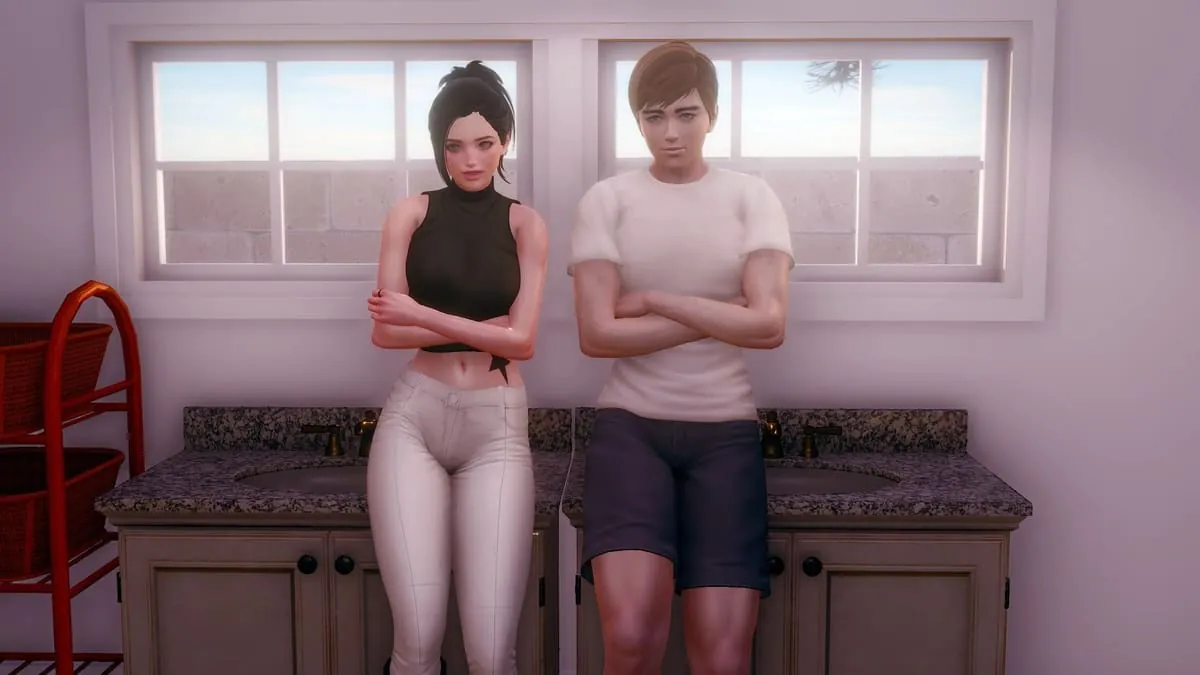
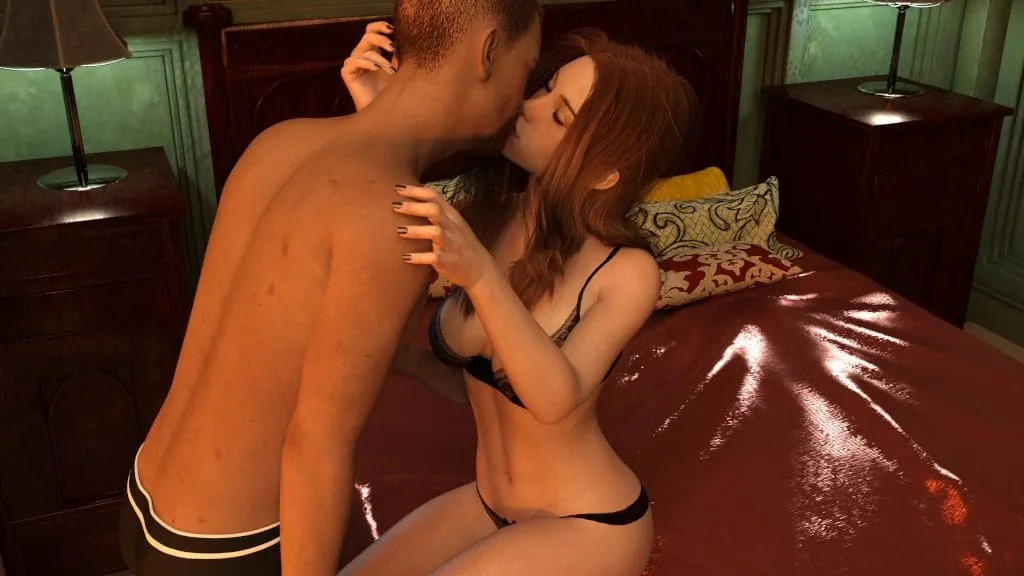
Between Humanity Screenshots

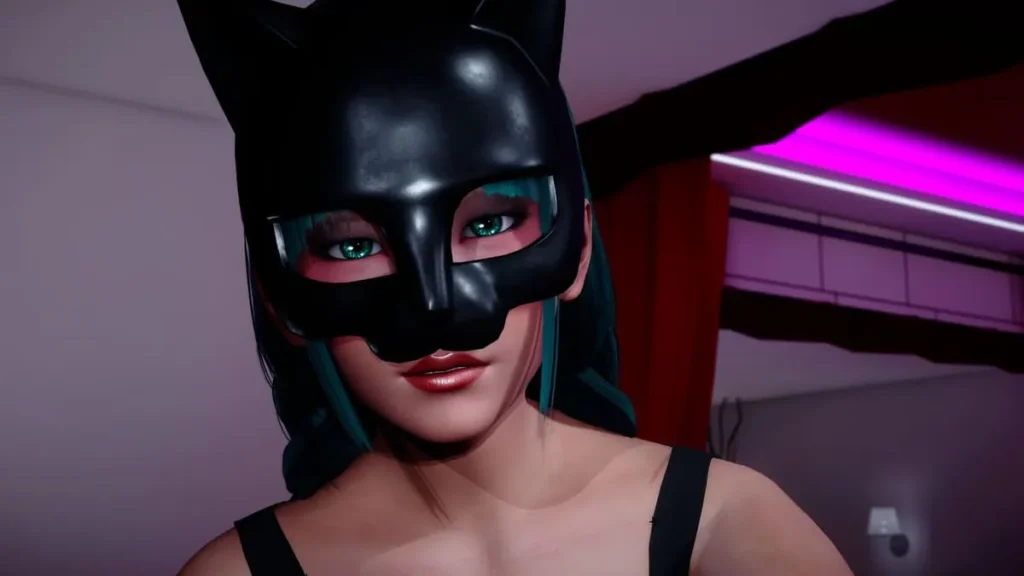




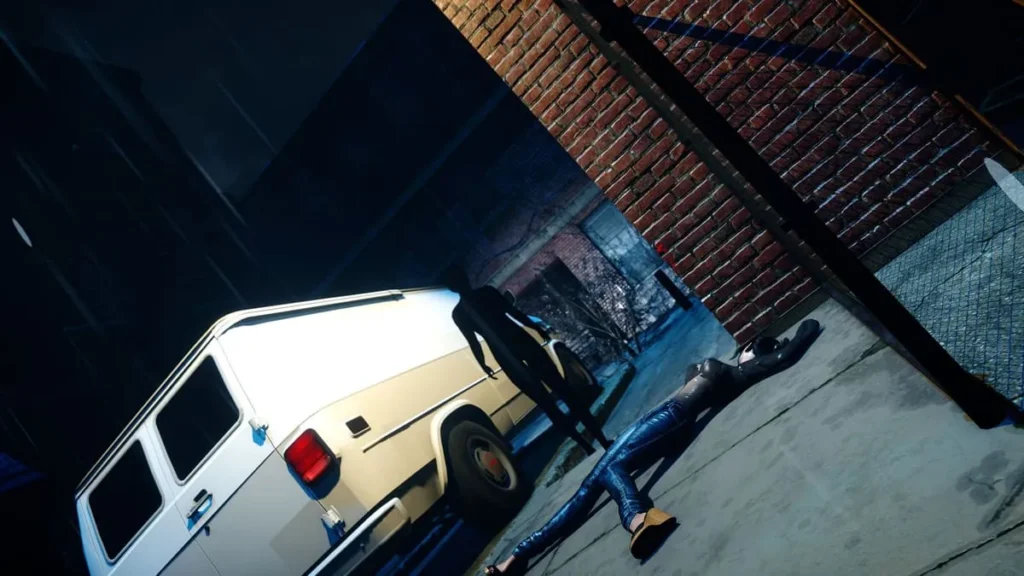

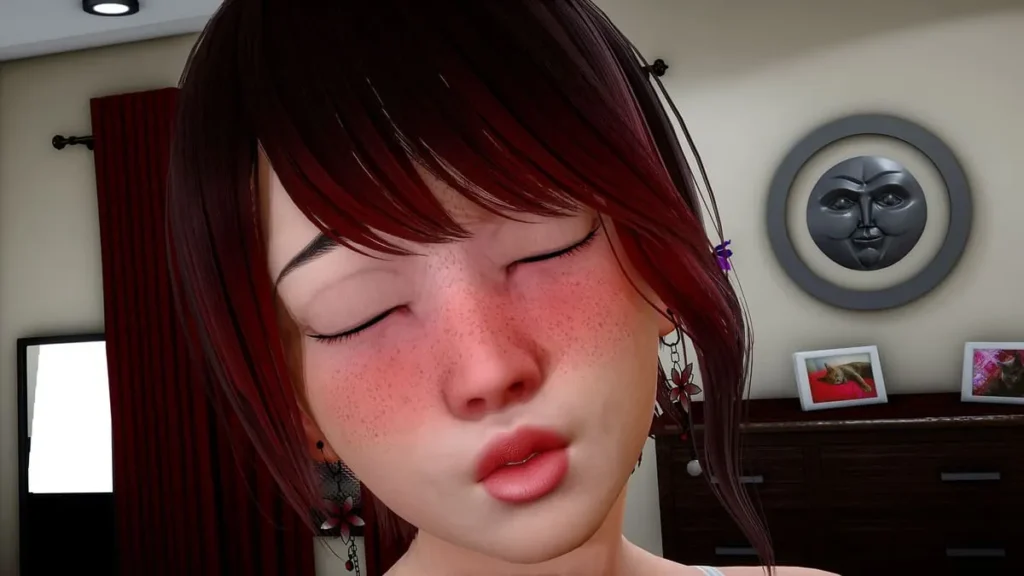
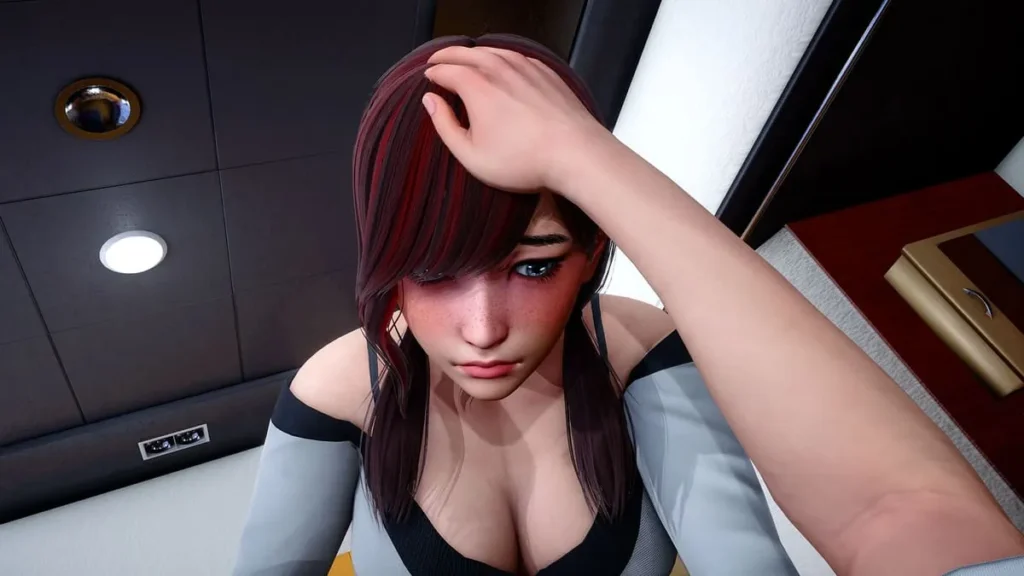
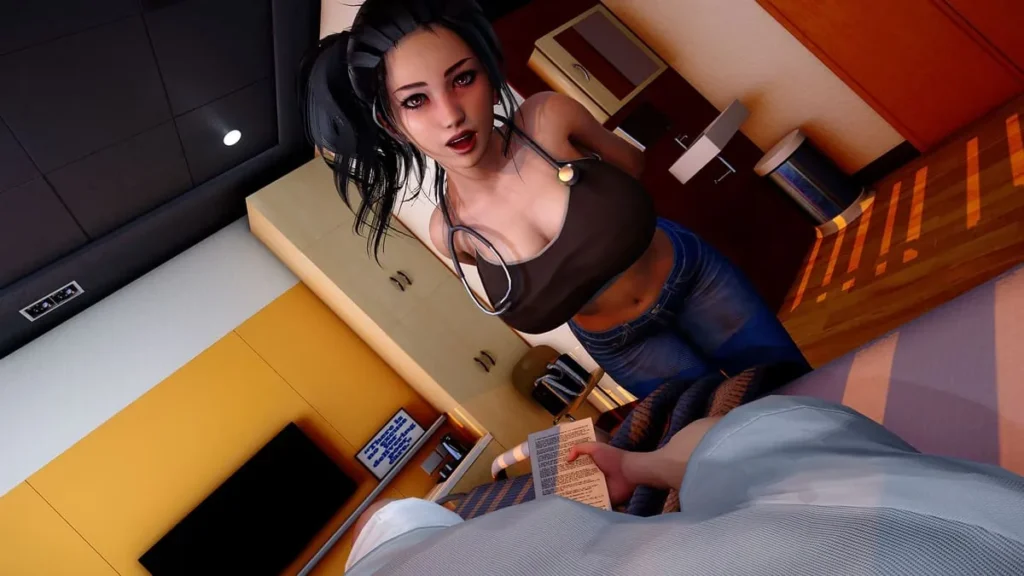
Between Humanity review
Exploring narrative pacing, character development, and mature storytelling in modern visual novels
Between Humanity stands out in the visual novel landscape as a masterclass in narrative restraint and deliberate pacing. Unlike many titles that rush into intense plot developments and explicit content within the first chapters, this story-driven experience prioritizes character development and world-building. The game demonstrates that meaningful storytelling in mature content doesn’t require immediate gratification—instead, it builds anticipation through careful narrative construction. Whether you’re a seasoned visual novel enthusiast or new to the genre, understanding what makes Between Humanity’s approach distinctive reveals important lessons about interactive storytelling and player engagement.
The Art of Pacing: Why Slow Burns Create Better Stories
Imagine a story that asks you to be patient. In a genre often defined by instant gratification, where shocking twists or intimate encounters are deployed early and often, Between Humanity does the opposite. It invites you to sit down, get comfortable, and trust that the journey is the destination. This isn’t an accident; it’s a deliberate narrative structure adult games often shy away from. 🪑
Today, we’re peeling back the layers of one of the most crucial yet under-discussed elements of story-driven visual novels: pacing. Specifically, we’re diving into the art of the slow burn and why Between Humanity is a masterclass in making every moment of build-up pay off tenfold. If you’ve ever felt a story’s emotional beats fall flat because you didn’t have time to care, you already understand the problem this game so elegantly solves.
Understanding Narrative Restraint in Visual Novels
Most of us have been there. You boot up a new story-driven visual novel, eager for a rich narrative, only to be thrown into a whirlwind of plot. The main conflict is introduced in Chapter 1, a world-altering secret is revealed in Chapter 2, and by Chapter 3, the story is already sprinting toward a climax it hasn’t earned. The result? A hollow experience where “big moments” feel weightless.
Between Humanity operates on a different philosophy: narrative restraint. This means the story’s most powerful events—both emotional and physical—are treated as precious resources, not opening acts. The game’s visual novel pacing is methodical, focusing on the quiet spaces between the drama. It invests time in letting you:
* Observe characters in their natural state, not just in crisis.
* Understand the mundane rhythms of the story’s world.
* Feel the gradual shift in relationships through small, cumulative interactions.
This approach transforms the narrative from a series of checkpoints into a living, breathing ecosystem. When you finally reach a pivotal scene, you’re not just a spectator; you’re a vested participant. You’ve logged the hours, shared the quiet moments, and felt the tension simmer. The payoff doesn’t just happen to the characters; it happens to you.
“Forcing a connection between characters because the plot demands it is the fastest way to break a player’s immersion. Real bonds, whether friendly or romantic, are built in glances, shared jokes, and vulnerable conversations—not just in pre-ordained story beats. The narrative structure must serve that reality, not sabotage it.”
How Between Humanity Builds Anticipation Through Deliberate Pacing
So, how does this philosophy translate into the actual Between Humanity chapter structure? Let’s talk specifics. While many titles use their early chapters to establish a hook and then rapidly escalate, Between Humanity uses them to lay a deep, intricate foundation.
By the time you reach Chapter 4 in many popular titles, you might have already unlocked major story arcs or intimate paths. In Between Humanity, Chapter 4 is where the narrative engine is truly, patiently warming up. The core conflicts are established, yes, but they are complex knots to be slowly untangled, not sliced through. The game understands that anticipation is a narrative tool more powerful than revelation. 🕰️
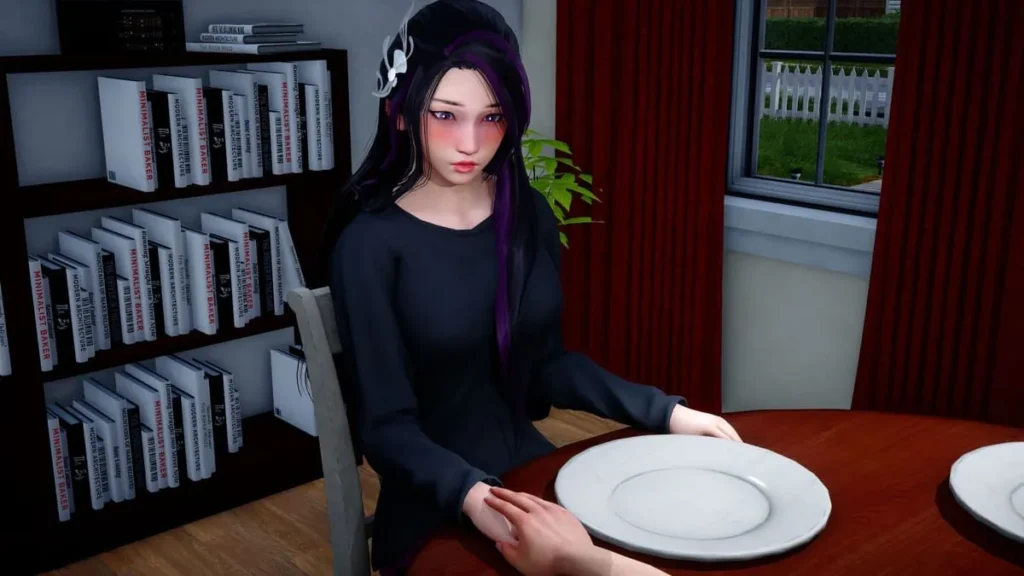
This slow burn storytelling extends seamlessly to character relationships. Character development in AVNs is often tied directly to a “path” or a series of choices that lead to intimate scenes. Here, development is the path. A meaningful look across a room holds as much weight as a dramatic confession. A character sharing a childhood memory over a simple meal can feel more intimate than a rushed, plot-mandated encounter.
The developer’s commitment is clear: believable relationships cannot be fast-tracked. When more mature content does emerge in the story, it feels like a natural, earned culmination of shared history and emotional trust, not an arbitrary reward. This creates a cohesive experience where every element—plot, dialogue, and character connection—feels interlocking and inevitable.
Comparing Story Progression Across Different Titles
To truly appreciate the visual novel pacing of Between Humanity, it helps to see it in context. Let’s compare how different titles utilize their chapter structures to advance plot and relationships. This isn’t about declaring one method “better,” but about highlighting a distinct narrative choice.
| Milestone | Typical Fast-Paced Title (E.g., Eternum, MBiML) | Between Humanity’s Approach |
|---|---|---|
| Introduction of Core Plot Hook | Often in Chapter 1. The inciting incident is immediate, launching the protagonist directly into the central mystery or conflict. | Gradual, over Chapters 1-2. The larger world and its tensions are woven into daily life, making the “hook” feel like a natural discovery. |
| Establishment of Main Character Relationships | Rapid “getting to know you” phases. Key allies and love interests are introduced quickly, with their primary traits and roles made clear early on. | Layered and observational. Characters are met organically, and their depths—including flaws, fears, and histories—are revealed slowly through varied contexts. |
| First Major Plot Twist/Revelation | Frequently by Chapter 2 or 3, used as a catalyst to accelerate the story and raise stakes dramatically. | Patiently withheld. Early chapters focus on building situational and character tension, making any major revelation feel earth-shattering because the foundation is so solid. |
| Pacing of Romantic/Intimate Development | Can progress quickly, with clear “affinity” markers and earlier intimate scenes to satisfy player choice paths. | Exceptionally slow and context-dependent. Focus is on emotional intimacy and mutual understanding first, making any physical intimacy a narrative milestone, not a checkbox. |
| Feeling by Chapter 4 | The story is often in full swing, with multiple active plot threads and relationship paths running concurrently at high speed. | The story is deliberately and deeply setting its pieces. The stakes are personal and emotional, and the sense of a larger narrative is building steadily, promising a much longer, richer arc. |
This comparative view illuminates the slow burn storytelling ethos. Between Humanity trades the initial adrenaline rush for long-term narrative investment, asking players to find intrigue in subtlety and reward in patience.
The Payoff: Why This Pacing Creates Unforgettable Stories
The benefits of this method are profound. When you spend hours simply living with the characters of Between Humanity, their victories become your triumphs, and their setbacks feel like personal blows. This deep character development in AVNs is the direct result of a narrative that isn’t in a hurry.
- Emotional Resonance is Earned: A character’s moment of crisis or joy hits harder because you know not just who they are, but how they became that way. You’ve seen their small habits, their quiet doubts, and their unguarded smiles.
- Choices Carry Weight: When you’re asked to make a significant decision, you’re drawing from a deep well of understanding about the characters and the world, not just guessing based on recent plot points.
- The World Feels Real: A meticulously paced story allows its setting to become a character itself. The academy, the city, the small daily routines—they all accumulate significance, making the world feel inhabited and tangible.
This is the core of how to write compelling visual novels. It’s about understanding that memory is built on accumulation. We remember stories not for their isolated shocks, but for the journey that made those shocks matter. Between Humanity builds its story in the patient, often quiet accumulation of detail, making its eventual crescendo not just loud, but deeply meaningful. ✨
Applying the Lessons: Crafting Your Own Slow-Burn Narrative
If you’re inspired by this approach and wondering how to write compelling visual novels with similar depth, here are actionable takeaways from Between Humanity‘s playbook:
- Define Your “Burn”: What is the core relationship or mystery you’re slowly unveiling? Every subplot and side character should, in some way, feed into understanding this central element.
- Prioritize Micro-Moments: A meaningful conversation is a series of small exchanges, not one block of text. Write glances, hesitations, changes in topic, and shared silences. These are the bricks of slow burn storytelling.
- Let Characters Breathe: Create scenes where the sole purpose is to reveal character outside of the main plot. How do they act when they think no one is watching? What calms them? What annoys them in daily life?
- Earn the Turning Points: Before writing a major reveal or intimate scene, audit your narrative. Have you provided enough foundational moments for this to feel like a natural, if dramatic, progression? If it feels like a “plot point,” you may need to go back and weave in more connective tissue.
- Trust Your Audience: Believe that your players are investing in your world for the long haul. Reward their attention with consistency, subtle foreshadowing, and payoffs that respect the time they’ve spent.
In the end, Between Humanity stands as a powerful testament to the idea that in storytelling, speed is not a virtue. By mastering visual novel pacing and committing to a narrative structure built on anticipation and depth, it forges a connection with the player that is both rare and immensely powerful. It proves that the most satisfying stories aren’t the ones that race to the finish, but the ones that make every single step of the journey count. 🏔️
Between Humanity represents a thoughtful approach to interactive storytelling that challenges the industry’s tendency toward immediate gratification. By prioritizing character relationships, world-building, and narrative coherence over rapid content escalation, the game demonstrates that mature storytelling can be both engaging and meaningful. The deliberate pacing allows players to invest emotionally in characters and their journeys, making subsequent developments feel earned rather than arbitrary. For players seeking a visual novel experience that respects their intelligence and values narrative substance, Between Humanity offers a refreshing alternative. If you appreciate stories that take time to unfold, where character connections feel genuine, and where content serves the narrative rather than driving it, this title deserves your attention. Explore what makes this game different and discover why thoughtful pacing creates more memorable gaming experiences.